

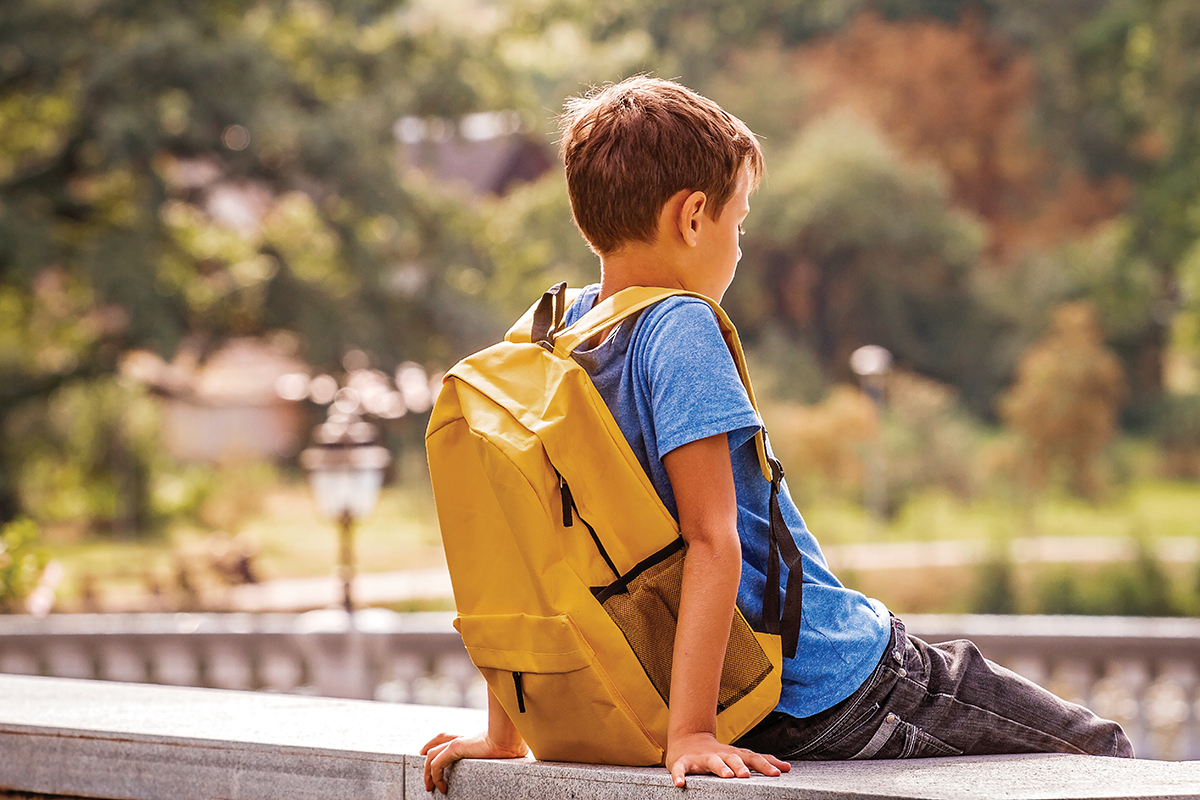
Each time our daughter transitioned to a new school, I worried. Leaving the familiarity of a known environment is tough for any child—but with an autism diagnosis, the experience can feel especially overwhelming. While many kids with ASD struggle with changes in routine, my concerns for E (now 13) centered around whether a new learning environment would truly support her needs—especially as she moved from a smaller elementary school to a larger middle school.
Ronak*, a fellow mom from Princeton, had similar worries about her 12-year-old son, who has autism and a genetic disorder. Since he isn’t verbal, she feared new teachers and aides wouldn’t understand how to meet his needs. “He’s a well-behaved kid,” she shared, “but if he’s hungry or has a stomach ache, he may cry, be non-compliant or not attend to his tasks.”
Fortunately, there are strategies that can help your child—and you—navigate this big transition with greater ease and confidence.
NEW SCHOOL, NEW WORRIES
“The biggest challenges I consistently observe are behavioral struggles,” notes Viktoria Wargo, M.Ed., a special education teacher for Princeton Public Schools. This is expected, she explains, since behavior often functions as communication. “When students have limited verbal skills, they may communicate by crying, laying on the floor, or even eloping.”
She also points to the difficulty of day-to-day transitions, like getting from the bus to the classroom or from recess back to learning time—especially in an unfamiliar building.
Catriona Francis, Ed.M., a board-certified behavior analyst and director of the Douglass Developmental Disabilities Center in New Brunswick, adds that learning new routines and expectations is often especially difficult for kids transitioning to less restrictive settings.
One common issue, she notes, is the breakdown in communication between old and new school teams. Sometimes information about what has worked for a student isn’t passed along—or isn’t welcomed by the receiving team. This lack of continuity can make the transition harder and lead to avoidable challenges.
WAYS TO SUPPORT
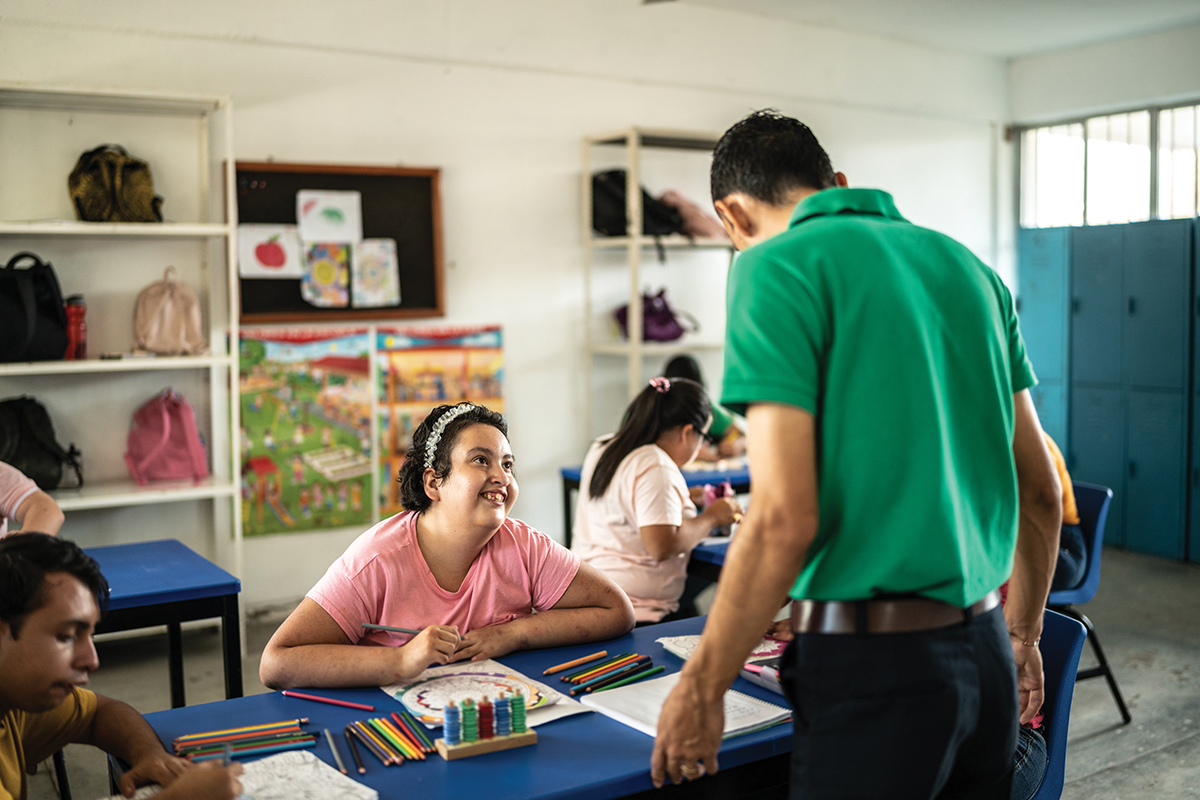
When E moved to a new school, her current team arranged visits to the new environment in advance. That made all the difference. Teachers also created social stories she could read and reread to better understand what to expect.
Ronak helped her son adjust by sharing a video with his teachers showing how he likes his rice and curry mixed to the right consistency. She explained that he uses the word “itching” to describe discomfort. These simple insights helped his teachers better understand him—and recognize his abilities. “He can do and understand much more than what he projects,” she said.
Before any student enters her classroom, Wargo makes a point to read all available evaluations and assessments, and to connect with the child’s family. She also uses a wide range of visual supports, including pictures, schedules, posters, sign language and assistive tech. She encourages the use of comfort items or transition objects that help students adjust to new settings.
Francis emphasizes the importance of collaboration between the current school team and the new one. One of the best first steps? Having your child’s future teacher observe them in their current classroom. This allows the new educator to see what’s working and start planning how to maintain that support.
Visits to the new school—especially multiple ones—are also hugely beneficial. If possible, have a familiar teacher or aide accompany your child. That presence can ease anxiety and help make the new environment feel safer and more predictable.
These visits don’t just help your child—they also give the new staff valuable insights into your child’s strengths and needs. Building positive experiences in the new setting can shift the way your child views the school—from intimidating to inviting.
If in-person visits aren’t possible, Francis recommends working with your case manager to arrange alternatives—like sharing photos or videos of the new classroom, cafeteria or playground.
HELPFUL TIPS
Ronak suggests picking up your child from school (when possible) to speak with their aide and hear how the day went. These face-to-face conversations gave us a clearer picture of what was happening and helped staff connect with us as a family.
“The most important part of building a trusting relationship between families and schools is communication,” says Wargo. “The more we talk and share, the stronger the connection—and the more success we’ll have together.”
*Name has been changed to protect privacy.
—Ronnie Koenig is an NJ mom of twins. Find her at facebook.com/AutismGirlMom
Get the latest on the best things to do with your family in and around New Jersey by signing up for our newsletter and following us on Pinterest, Facebook and Instagram!
Read More:
Back to School Events in NJ: Sales, Swag and More
Preschoolers Can Go to Adventure Aquarium for Free
9 NJ High Schools Rank Among the Best in the Country (2025-2026)
Popular Now:
How to Hit the Jersey Shore Like a Local
New Jersey Ranked 3rd Best State to Live in for 2025! Do You Agree?
New Jersey’s 3 Best “Bougie-on-a-Budget” Vacation Spots, According to Survey
These 2 NJ Downtowns Were Just Named Among the Most Walkable in the U.S.

