


Finding the right summer camp can be daunting, especially if your child has a disability. You want to make sure they’re safe, and that they’ll be in a place where they can have fun and thrive. Thankfully, there are a few things you can do as you start your camp search to make the process a lot smoother.
CAMP FIT AND COMPATIBILITY
Renee Flax, director of camper placement at the American Camp Association, New York and New Jersey, says it’s a good idea to have a picture of what you’re looking for and what you’re trying to achieve when you start your search. “Be able to describe your child accurately and fairly to a camp director so that they will know whether or not your child is a good fit for their program,” she says. “Visit the camp if possible, have a conversation with the camp director and get a tour of the facility. Understand what population they are serving and who their staff is, including qualifications and ratios of counselors to campers.” If you can present the camp with your child’s diagnosis and past experiences in social situations, this will be very helpful for the camp director, Flax says.
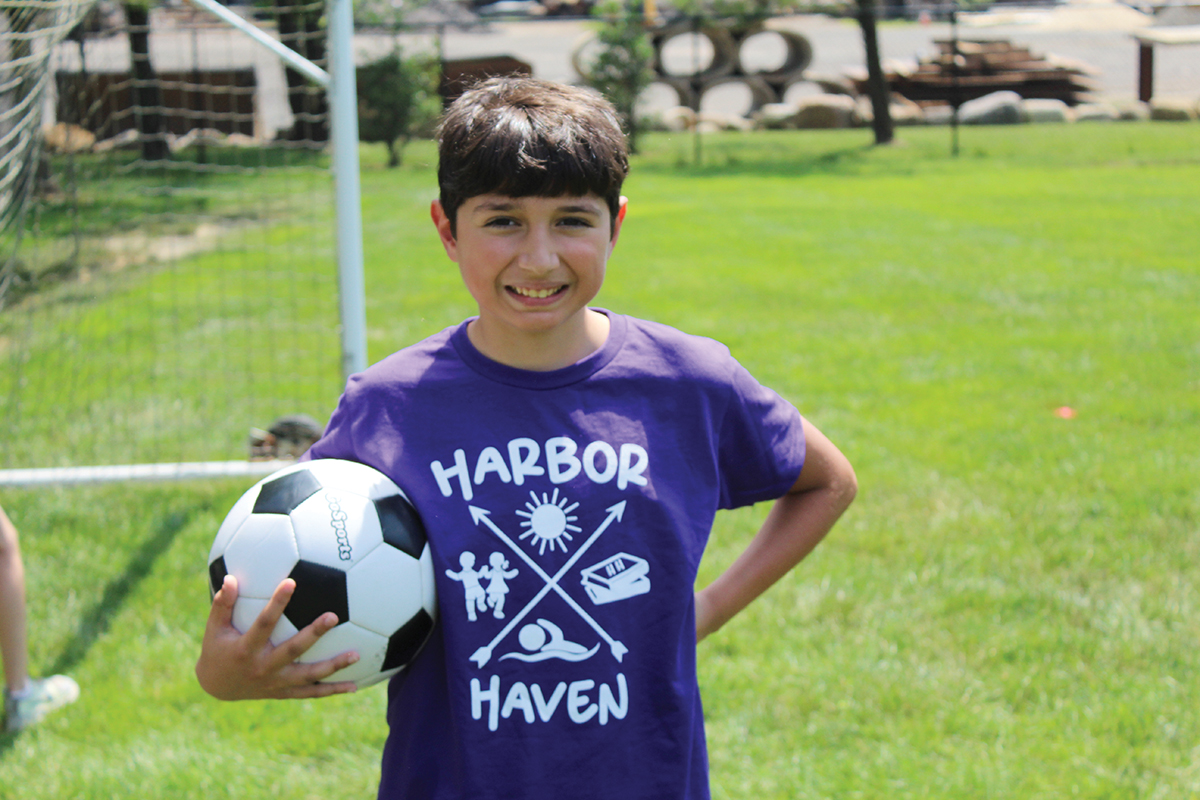
Kristie Thomas-Enyeart, owner and director of Harbor Haven, a summer camp that serves children with mild special needs located in West Orange, says it’s essential to identify which components of camp are important for the specific child. “For children with special needs in particular, staff-to-camper ratio, size of camper groups, training of staff to support camper needs and the kinds of specific programming available are great foundational areas to begin an exploration of what camp might be the perfect match,” Thomas-Enyeart says. From there, she says, it’s time to get more specific—ask yourself, would your child thrive in a very structured environment or would a camp with more choices work better? Would a full-day program be a good fit? These are just some of the questions to consider before committing to a camp.
WHAT MATTERS MOST TO PARENTS
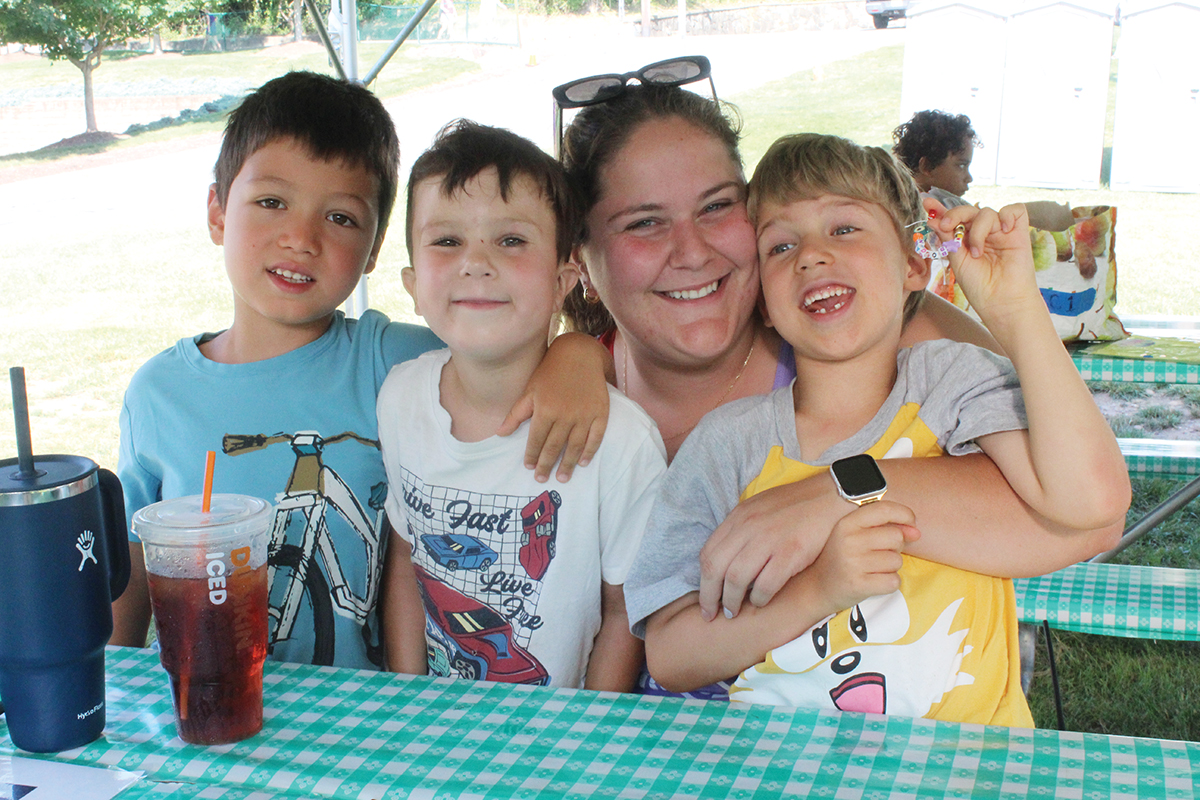
The top concern parents of all campers have is safety— we all want to feel secure that our kids will be supervised and well taken care of after we drop them off or wave goodbye at the bus stop. The best way to know this is to have open conversations with the camp director and staff, to speak to other parents whose children have attended the camp you’re considering, and above all, to trust your gut. If the place doesn’t feel right or you have misgivings, it’s time to look elsewhere.
“All parents want their child to thrive in an environment where they can be successful, safe and happy,” says Thomas-Enyeart. Honest conversations that happen before camp starts are crucial to avoid bumps in the road. “As heartbreaking as it can be, as a camp director I’d rather be honest about camp not being a fit than end up in a position where we have to make a change later,” she says. “At Harbor Haven, every parent has an intake conversation with a director, and every camper attends an open house or meet-and-greet session before enrolling.”
Flax says she can’t stress enough that parents must be honest with the camp about their child and how much support they will need. “You should also ask for recommendations from other parents whose children attended the camp. Parents are very forthcoming with each other and will answer your questions thoughtfully,” she says. “If you can find an accredited American Camp Association program, that will be your best assurance that a camp is safe and well-run.”
WHAT TO DO WHEN CAMP OPTIONS ARE LIMITED
Unlike with mainstream summer camps, parents in the Garden State may find there are few or no appropriate options in their area. As a mom of a daughter with autism, this is a problem we’ve faced every summer, and it’s frustrating that there aren’t better choices.
“This is a difficult situation for a family to find themselves in,” says Flax. “There are definitely a limited number of special needs camps and sometimes finding the appropriate program is very difficult.” Flax suggests asking your local school district staff if they are aware of any programs, and also talking to therapists or outside providers to see if they know of any options from other patients that have been successful. “You can also look into camps that offer a shadow, which is a one-on-one counselor-to-camper ratio. This person will be with your child throughout the day and can offer support and guidance if needed.”
While we’ve been able to push into day camp by providing our own one-to-one for our daughter, this isn’t always ideal or viable for families. And now that our daughter is getting older, finding a good summer option will be even trickier. It’s the reality parents with kids of disabilities face, which makes sharing information with other parents even more important.
A PARENT’S PERSPECTIVE
Danielle, a mom in Princeton, believes sleepaway camp has been beneficial on many levels for her 14-year-old son who has autism.
“Camp gives him a structured, focused environment to work on daily living skills and IEP goals with a dedicated 1:1 aide—support that’s hard to replicate at home with the normal demands of family life,” she says. “The intensive routine has helped him make real progress, and it provides the kind of childhood experiences—time away from home, peer interaction, typical camp activities—that kids with profound autism often miss.”
Her son attends Cross Roads Camp and Retreat Center in Port Murray through his school, Eden Autism in Princeton, and this will be his fourth year camping. While he now goes for three weeks, the duration started at just five days for his first year, and then he went for two weeks in his second and third years there.
“I’ll be honest, the first few years were hard for me,” says Danielle. “I’m very cautious about who I leave him with, and I was extremely anxious. I had trouble enjoying the time off because I worried constantly. He was a little anxious that first year, too—but now he asks regularly when he can go back. Camp has given him confidence, independence, and something exciting to look forward to. It truly became one of the best decisions we’ve made for him.”
Danielle says that camp has also benefited the whole family. “It’s also been good for our other children. Because he can’t fly due to anxiety and can’t sleep in hotels, camp gives us a rare window to travel with our other kids and give them dedicated attention they don’t always get.”
THE REWARDS OF A CAMP EXPERIENCE
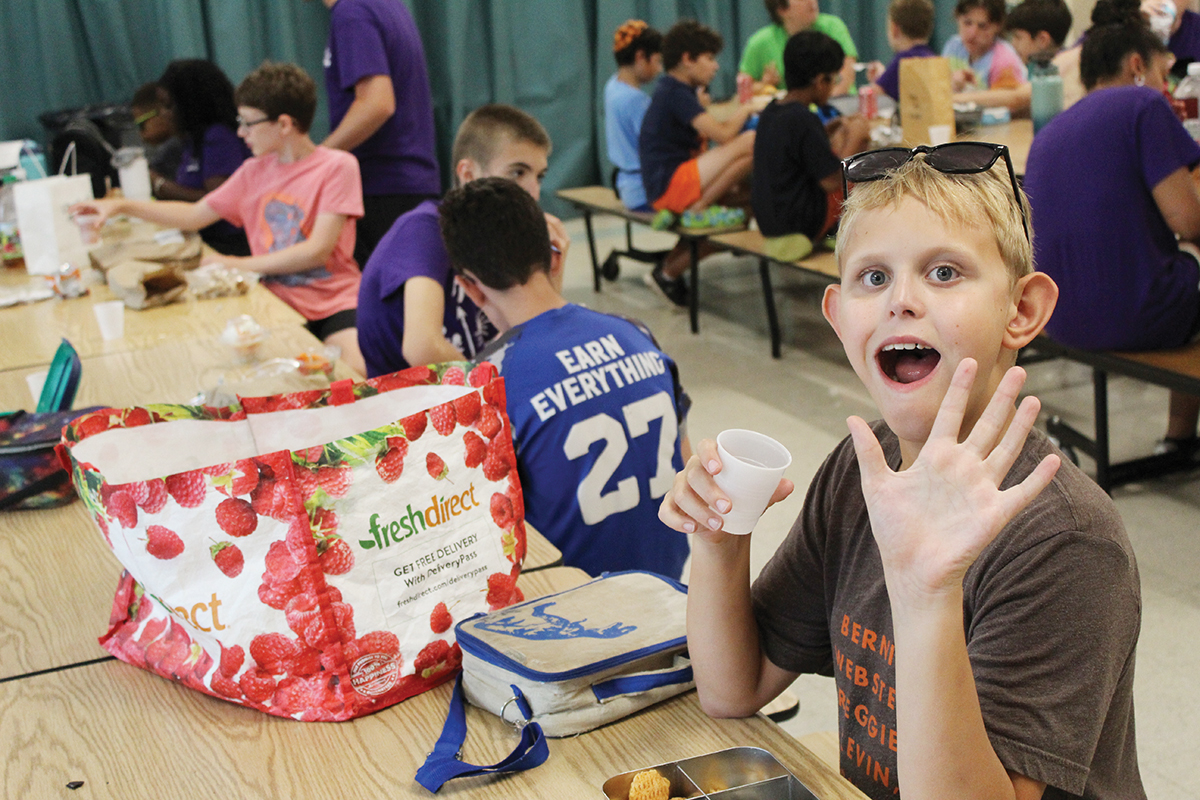
Perhaps the best reason to send your child to camp is the opportunity for them to have fun and grow. As a parent of a child with a disability, the most rewarding moments are the ones where you see your child happy and participating, and trying new things you never thought they could do.
“We love to see our campers learn new skills like riding a two-wheeler bicycle and making progress in swim skills,” says Thomas-Enyeart. Another major benefit is the chance to make friendships. “We love seeing our campers enjoy playdates during the school year.”
“First and foremost, you want them to have fun,” adds Flax. “At a successful camp program, a child will come home feeling better about themselves, feeling a part of a community and making new friends while gaining skills.”
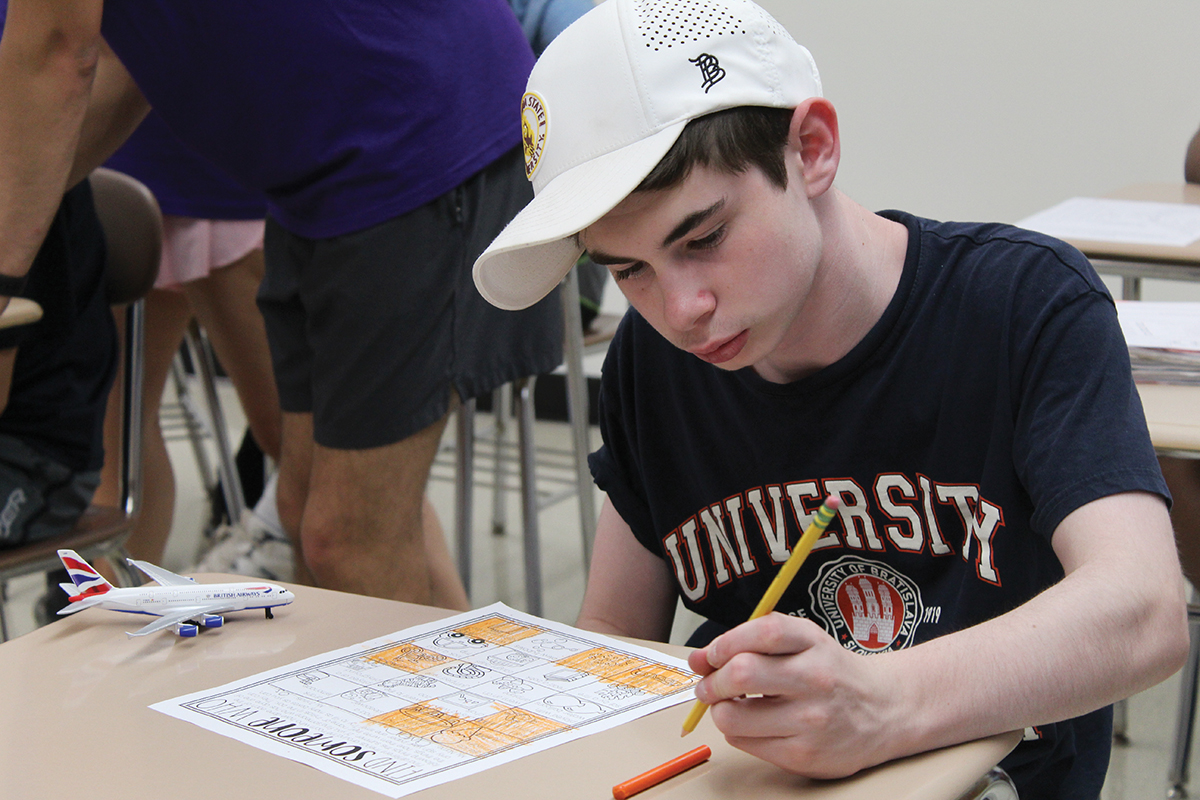
While it can be scary to let your child enter a new and unfamiliar environment, the potential benefits make it worth taking the leap. No matter which camp you choose, know that a safe, fun and skill-building summer is possible for your child.
— Ronnie Koenig is an NJ mom of twins. Follow her at Facebook.com/AutismGirlMom.

