

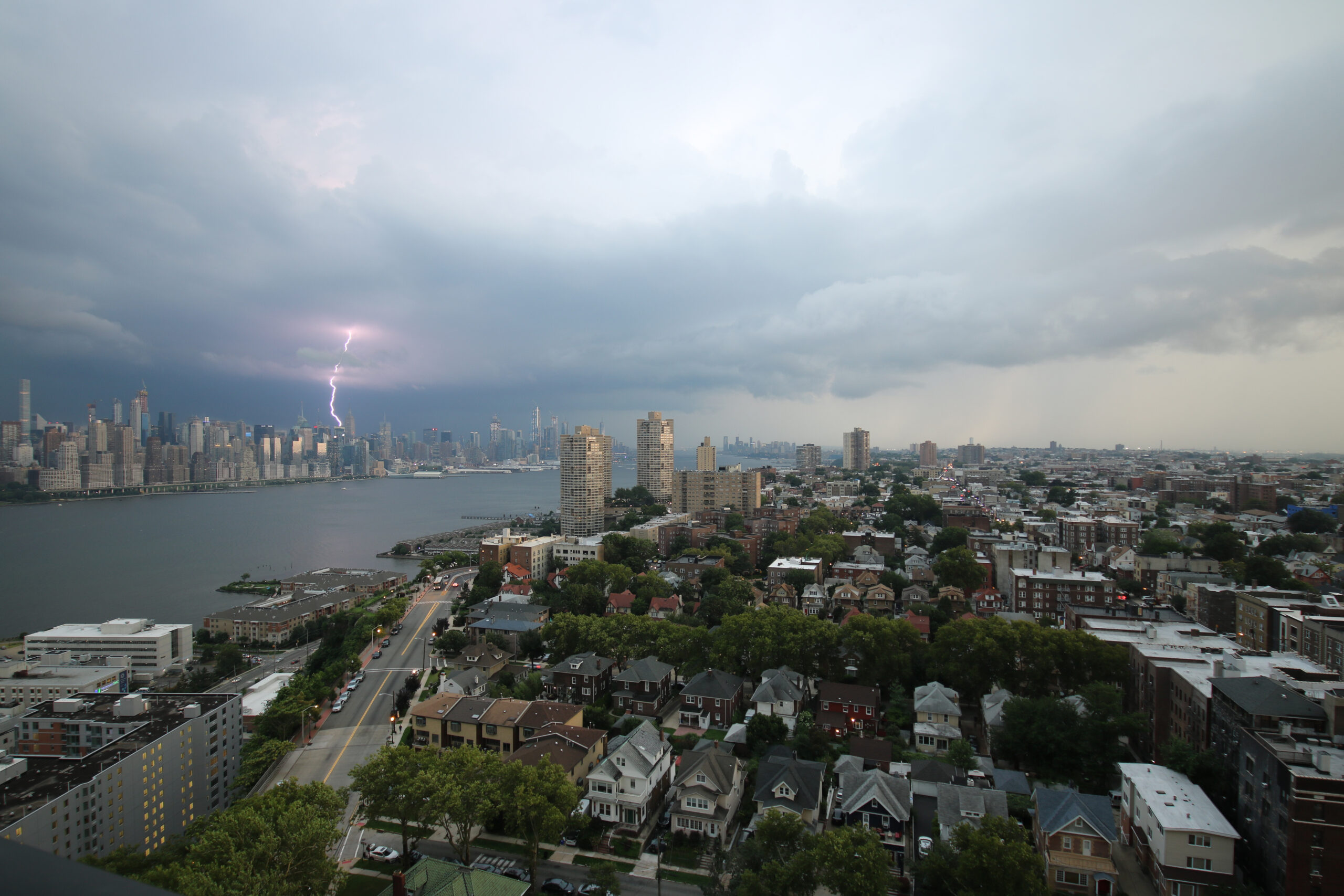
When we think of summer we think of visiting the beach, riding the waves, and days lounging at a local pool. The last thing we want to think about is lightning safety.
This week, two people in New Jersey died from lightning strikes. On July 16, 14 people (including kids) were struck by lightning during a Cub Scout event at the Black Knights Bow Benders outdoor archery range in Jackson, and a 61-year-old Burlington County man was killed. A 28-year-old man from Bergen County was struck by lightning on July 8 while playing golf on the Ballyowen Golf Course at Crystal Springs Resort in Sussex County. He passed away a week later, on July 14.
That brings the total number of people killed by lightning strikes to 12 in 2025 across the country, according to the National Weather Service, compared to 13 during all of 2024.
Lightning is nature’s underrated killer, claiming more victims every year than tornadoes and hurricanes combined. In fact, lightning is the second-largest weather-related killer—floods are the worst.
About 40 million lightning strikes hit the ground in the United States each year. The odds of being struck by lightning in a given year are less than one in a million, and almost 90 percent of all lightning strike victims survive, according to the CDC.
Most lightning deaths and injuries in the United States occur during the summer months, when the combination of lightning and outdoor activities is at its highest. From 2006 through 2021, activities such as fishing, boating, playing sports, and relaxing at the beach accounted for almost two-thirds of lightning deaths, according to the CDC.; work-related activities like farming account for another 18 percent.
The most important factor to staying safe is to be educated about what to do if you are outdoors when lightning strikes. Here are the important safety tips to learn and follow yourself, as well as to teach your kids:
General lightning safety tips:
- Always avoid being the highest object anywhere. Do not take shelter near or under the highest object, including tall trees. Avoid water, high ground, and wide open spaces. In addition, avoid all metal objects such as fences, machinery, and power tools.
- Lightning can occur before and after storms, so be careful even after you think the storm has ended.
- Lightning can strike the same place twice, and often does. There are no “safe” places. Lightning strikes the Empire State Building and One World Trade Center dozens of times each year.
- Lightning can strike indoors. During (and after) a storm, stay away from windows and doors and avoid contact with anything that conducts electricity, including landline telephones. The majority of lightning injuries in the home are to people talking on the telephone.
- People who are struck by lightning do not carry an electrical charge, and it is absolutely safe to touch them. First aid should be applied immediately, and emergency help gotten as quickly as possible.
Safety tips if you are unable to seek shelter:
- If you are caught outside during a thunderstorm with no shelter around, find a low spot away from trees, fences, and poles.
- Crouch down low to the ground, put your feet together, and make yourself the smallest target possible. Cover your ears to minimize hearing damage from thunder.
- Avoid proximity to other people, keeping a distance of at least 15 feet.
- Seek clumps of shrubs or trees of uniform height. Seek ditches, trenches, and other areas of low ground.
- Do not seek shelter in a shallow cave, especially if it is in an old mine, which could have metallics nearby.
Safety tips to teach kids:
- Share lightning safety tips with your kids. Make sure they know to never stand under a tree, on top of a hill, or be in or near water during a storm.
- Teach your kids to follow these easy-to-remember lightning safety slogans: “If you can hear it, clear it. If you can see it, flee it” and “When thunder roars, go indoors.”
- Make sure kids know that if they are in a pool, lake, or the ocean, they need to get out as soon as it looks like a storm is coming—lightning can precede actual rainfall. And, activities should not resume until 30 minutes after the storm has ended. If they can’t decide whether to end an organized outdoor activity, follow the rules “Better safe than sorry,” and “Don’t be lame, end the game.”
- Athletic fields have a lightning warning system, so don’t ignore it!
More Lightning Safety Resources
The National Lightning Safety Council has lots of resources including personal lightning safety tips, sports and recreational activities, and medical information.
NOAA has lightning safety information as well, with scientific info, safety plans, and a lesson directly for kids.
Get the latest on the best things to do with your family in and around New Jersey by signing up for our newsletter and following us on Pinterest, Facebook and Instagram!
Read More:
7 Counties in New Jersey Are Still Under Flood Watch Due to Yesterday’s Storms
Tick Bites in New Jersey Are on The Rise
Two New Measles Cases in NJ Prompt a Warning from State Health Officials
Popular Now:
Why St. Pete Beach Is a Fun + Easy Family Getaway
A School in New Jersey Has Been Named One of the Most Innovative in The World
Mattel’s Newest Barbie Doll Supports Kids With Type 1 Diabetes
How Adriana Carrig Turned Kindness Into Little Words Project
How to Book a Taylor Swift-Inspired Airbnb at The Jersey Shore
DC Heroes & Villains Festival Will Take Over Great Adventure This Summer

