

This story was first published ahead of the Jan 25th storm in New Jersey, and as we brace for what could be a “potentially historic” storm with anywhere form 12-24+ inches of snow, doctors are reminding families not to underestimate the dangers of extreme winter weather. From protecting yourself while shoveling to knowing what to do if the power goes out, we asked doctors about the winter storm mistakes they see most often, and how to avoid them.
“People underestimate the combination of wind/cold, wetness, and darkness,” said Tae Keun Park, MD, Medical Director at Holy Name Medical Center. “People will commonly think of just going out for a brief errand or need. They often don’t dress appropriately, underestimating their time of exposure, as well as the risk of falls and injury.”
State officials are urging residents to stay off the roads and avoid nonessential travel. In extreme cold, vehicles can stall, run out of gas, or have exhaust pipes blocked by snow and ice, increasing the risk of carbon monoxide poisoning, Park said. Driving without fully clearing snow and ice from a vehicle also limits visibility and can send ice or snow flying into nearby cars. Snow-covered headlights also reduce visibility, and even treated roads can be slippery, he added.
What to Do (and Not Do) If the Power Goes Out
When winter storms knock out power, families may rely on a heat source that can be dangerous. “Use flashlights and battery-powered lanterns instead of candles to prevent the risk of fire,” said Abimbola Pratt, MD, a critical care surgeon at Hackensack Meridian Jersey Shore University Medical Center and K. Hovnanian Children’s Hospital. “Never use a gas stove to heat your home, and if you have a portable generator, only operate it outdoors and at least 20 feet away from windows to prevent carbon monoxide poisoning, which can be deadly.”
Carbon monoxide is produced by portable generators, stoves, dryers, furnaces, and other fuel burning appliances and equipment, including space heaters and cars, according to the New Jersey Poison Control Center. You can’t see it, smell it, hear it, or taste it. There is no safe level of carbon monoxide for anyone, including pets. The only way to detect carbon monoxide in your home is to have properly working carbon monoxide detectors.
“While CO poisoning is a concern regardless of weather conditions or time of year, we always see an increase in exposure to carbon monoxide during the winter, especially when we have dangerous weather,” Bruce Ruck, managing director of the New Jersey Poison Control Center at Rutgers New Jersey Medical School, said in a release. “Using the stove to heat the house, charging phones in running cars in enclosed or poorly ventilated spaces or surrounded by snow, or using any gas-powered appliances or equipment like portable generators or space heaters can cause dangerous levels of carbon monoxide to build up very quickly.”
What to Know Before Shoveling Snow
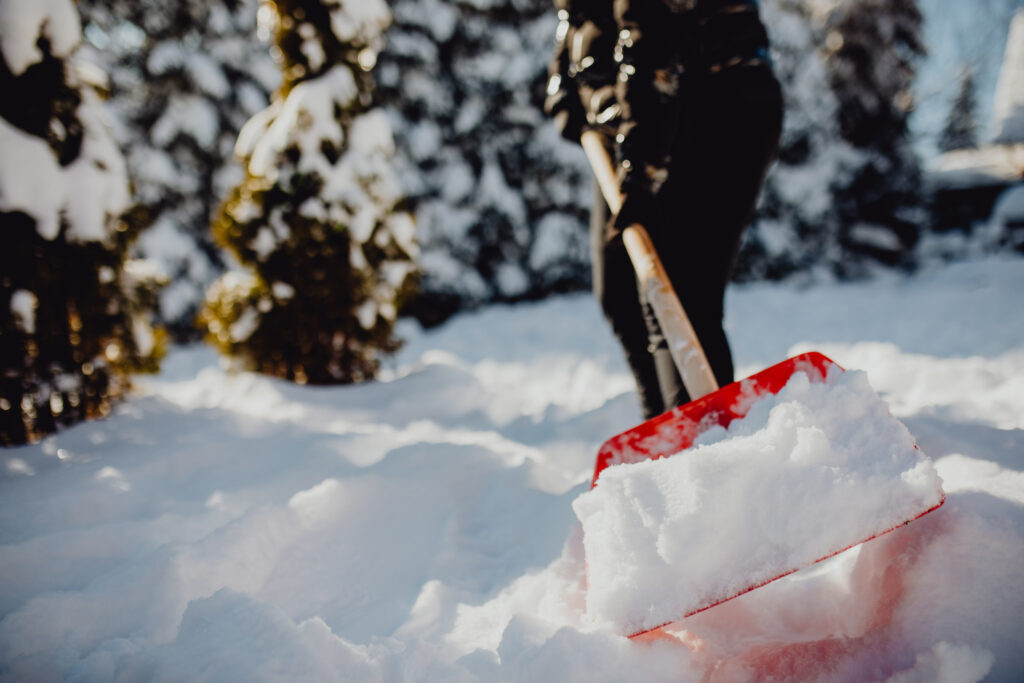
Experts say most of us underestimate how physically demanding it is to shovel snow in frigid cold temperatures. “Cold makes your heart work overtime,” Park said. And snow tends to be heavier than most people expect. “Fresh snow can weigh 15–20 pounds per shovel, wet snow even more,” he said.
Cardiologists say shoveling snow creates a perfect storm for heart emergencies, especially for people with underlying risk factors. A Canadian study highlighted the risk, linking 7–8 inches of snowfall to a 16 percent increase in heart attack hospitalizations among men and a 34 percent higher risk of death from a heart attack.
“Shoveling snow is an intense physical effort that can sharply raise your heart rate and blood pressure, especially in cold air which causes blood vessels to constrict,” said Rachana Kulkarni, MD, Regional Director of Cardiovascular Services for RWJBarnabas Health and Director of the Women’s Heart Center. “That combination makes the heart work much harder and can trigger a heart attack in vulnerable people.”
Those most at risk include anyone over 50, with heart disease, high blood pressure, diabetes, high cholesterol, or anyone who is generally inactive. If you feel off in any way while shoveling, don’t try to push through it and know the warning signs of a heart attack, doctors warn.
“Stop and call 911 right away if you feel chest pressure, tightness, or pain that may spread to the arm, jaw, neck, or back,” Kulkarni said. “Other warning signs include shortness of breath, dizziness, nausea, unusual sweating, or extreme fatigue.”
Tips to Avoid Back Injuries
Back injuries spike after shoveling and the culprit is often improper lifting and twisting.
“The most common mistake I see is bending too much at the spine rather than the waist and twisting the torso while lifting heavy, wet snow,” said Peter Yonclas, MD, chairman of physical medicine and rehabilitation at Cooperman Barnabas Medical Center. “Cold muscles are tighter and less flexible, which makes the back more vulnerable to injury especially in spinal flexion.”
The safest way to shovel is to bend at your hips and knees, keep the shovel close to your body, and lift with your legs, not your back, Yonclas said. “Whenever possible, push the snow rather than lift it. If you do need to lift, take small scoops and turn your whole body rather than twist your spine,” he said.
If you feel sharp pain, increasing stiffness, numbness, tingling, or pain that shoots down the leg, stop immediately, he added.
If you’re using a snow blower, never try to clear a clog with your hands, even if the blower’s power is off, Park warned. Instead, use the snow blower’s clearing stick or tool.
Know the Signs of Hypothermia and Frostbite
Hypothermia and frostbite can happen fast, especially if you’re exposed to the cold for longer than expected. Children lose body heat faster than adults and often don’t recognize danger signs early, Park said, adding that wet clothing strips body heat much faster.
Warning signs of hypothermia include uncontrollable or suddenly stopped shivering, confusion or unusual behavior, slurred speech, clumsiness, extreme fatigue, and slow or shallow breathing, Park said. Early signs of frostbite can include tingling or burning sensations and skin that turns pale or red. More serious symptoms include numbness, skin that appears white or bluish and feels hard or waxy, and difficulty moving fingers or toes, he added.
The bottom line: Make sure kids are well bundled and keep time limits on how long they can be outside in the cold with you.
A Common and Avoidable Injury
Slipping on the ice is one of the most common causes of traumatic injuries doctors see in the ER this time of year. A 2024 study found that about 13.1 emergency department visits per 10,000 winter visits were due to falls on snow or ice during cold months.
“Many get injured from slipping and falling on icy sidewalks and driveways, a common sight in emergency departments after a freeze,” Pratt said. “In fact, each year falls are one of the leading causes of traumatic injury requiring care in a trauma center.”
People ignoring advice from the New Jersey Office of Emergency Management (NJOEM) to avoid unnecessary travel, often leads to car accidents. Car crashes, are “another leading cause annually of people needing emergency trauma care,” Pratt said.
Get the latest on the best things to do with your family in and around New Jersey by signing up for our newsletter and following us on Facebook and Instagram!
Read More:
How to Prepare for This Weekend’s Storm

