

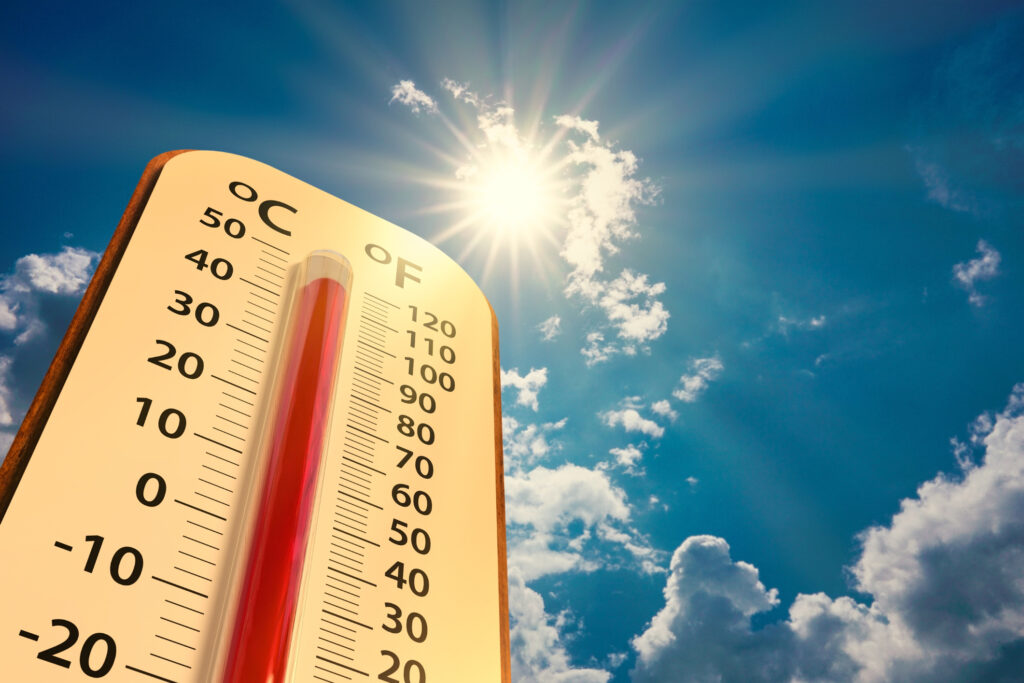
With New Jersey heading into a stretch of dangerous heat before the Fourth of July weekend, doctors are urging families to take heat safety seriously. The National Weather Service Philadelphia/Mount Holly is forecasting high temperatures of 95 to 105 degrees for most areas Wednesday through Saturday, with the heat index expected to reach 100 to 110 degrees.
That kind of heat can be dangerous for everyone, but especially for kids playing outside, teens practicing sports, older adults at home, and pets. We asked Dr. William Downs, director of Emergency Medicine at Monmouth Medical Center in Long Branch, what we should know about heat exhaustion, heat stroke and how to stay safe during this week’s heat wave.
New Jersey Family: Who is most at risk during extreme heat?
Dr. William Downs: Children, the elderly, people with chronic medical conditions like heart disease or diabetes, and anyone who works outdoors are at the highest risk. But heat can also impact adults with no existing medical conditions if they’re outside too long without water or opportunities to cool down.
NJF: What are the biggest warning signs of heat exhaustion?
Dr. Downs: The biggest signs of heat exhaustion include heavy sweating, dizziness, headache, nausea, muscle cramps, and feeling weak or lightheaded. If you notice these symptoms, move to a cool place, drink water, and sit down before your symptoms worsen.
NJF: When does heat illness become an emergency?
Dr. Downs: Heat illness becomes a medical emergency when someone develops confusion, loses consciousness, has a body temperature above 104°F, stops sweating despite the heat, or has a seizure. Call 911 immediately, as heat stroke can quickly become life-threatening.
NJF: How can parents keep kids safe outside during a heat wave?
Dr. Downs: Plan outdoor activities for the early morning or evening when temperatures are lower and sun exposure is reduced. Parents should also make sure children frequently stop to drink water and take breaks in the shade or air conditioning. Never leave a child in a hot car, even for a few minutes, as temperatures can become dangerous very quickly. Make sure to lock your car doors when you leave your car to prevent any child from climbing in.
NJF: What should parents know about teens, sports, and summer workouts in extreme heat?
Dr. Downs: Teens may push themselves without realizing they’re overheating. Coaches and parents should prioritize hydration, take timeouts, adjust schedules when the heat index is dangerously high, and make sure athletes stop immediately if they feel dizzy, nauseated, or unusually fatigued.
NJF: How can families protect older adults during heat?
Dr. Downs: Older adults and elderly may not feel thirsty even when they’re dehydrated, and some medications can make it harder for the body to regulate temperature. Check in on older family members regularly, encourage them to drink more water, and make sure they have access to air conditioning during the hottest parts of the day.
NJF: What are the most important safety tips we should follow in this heat?
Dr. Downs: Stay hydrated, wear lightweight clothing, limit outdoor activities during peak afternoon heat, and spend time in air-conditioned spaces whenever possible. Pay attention to how you and your family feel so you can recognize early signs of heat illness. Acting quickly can prevent a severe medical emergency.
Editor’s note: Keep pets indoors during peak heat, walk dogs only in the early morning or evening, avoid hot pavement and never leave animals in parked cars, since the AVMA warns vehicles can reach extremely dangerous temperatures quickly.
Get the latest on the best things to do with your family in and around New Jersey by signing up for our newsletter and following us on Facebook and Instagram!
Read More:
The Best Things to Do Indoors in NJ
Beat the Heat at One of These Spraygrounds & Splash Pads in New Jersey
Popular in Parenting:
How to Set Summer Screen Time Rules Without Constant Fighting
How to Create a Summer Routine Your Kids Won’t Fight
Why Won’t My Teen Leave Their Room?

