


When I talk with patients about celiac disease, I’m speaking from two perspectives. I counsel people with celiac, and I also live with it myself. That matters, because some of the biggest challenges with celiac are not always the ones people see from the outside.
There are still a lot of misconceptions about what celiac disease is, how much it affects day-to-day life, and what it really takes to stay healthy after diagnosis. Those misunderstandings can leave patients feeling unsupported and overwhelmed at exactly the moment they need better information and more practical help.
Here are three of the most common misperceptions I see:
1. Celiac disease is just a food preference or a simple intolerance
One of the biggest problems is that many people still do not understand what celiac disease actually is. It is not a preference. It is not a fad diet. And it is not the same as deciding gluten “doesn’t agree with you.”
Celiac disease is an autoimmune disease. When someone with celiac consumes gluten, the immune system attacks the small intestine. Over time, that damage can interfere with the body’s ability to absorb nutrients properly. This is especially concerning in children because if vitamins and minerals are not being absorbed the way they should be, it can affect far more than digestion. It can also lead to growth delays, anemia, and even abnormal bone development.
That is why better education is so important, not just for patients and their caregivers, but also for schools, restaurants, and the broader public. Too many people still hear the words “celiac” or “gluten-free” and do not understand the medical seriousness behind them.
2. The impact of celiac is mostly physical
The physical effects of celiac matter, of course. But one of the first things I think about, both as a dietitian and as someone living with it, is the social side.
Food is supposed to bring people together. It is part of celebrations, travel, holidays, work events, birthday parties, and everyday family life. When you are newly diagnosed with celiac, that changes fast. Suddenly, every meal can come with anxiety and a list of questions. Can I eat there? Do they understand cross-contact? Should I bring my own food? Is it easier not to go at all?
That emotional weight is real. I see it all the time.
I recently spoke with a patient who told me it was easier to just eat what her family was eating, even though she knew it was not the right thing for her health. She was juggling kids, a husband, and a household that did not fully understand what celiac requires. That kind of situation is common, and it shows how much self-advocacy matters.
Adults often have to learn how to speak up for themselves in restaurants, around friends, at family gatherings, and while traveling. Children need support from parents, school staff, nurses, coaches, and caregivers who understand what is at stake. In both cases, the challenge is bigger than reading a label. It is about living in a world that is not naturally set up for this condition.
One of the most important things we can teach patients is how to advocate for themselves. The gluten-free diet is essential, but confidence and self-advocacy are part of what helps people actually sustain it.
3. There is nothing you can do except “avoid gluten”
It is true that there is no cure for celiac disease right now. And at this moment, the only treatment is a strict gluten-free diet. But there are still things patients can do to make daily life safer and a little less stressful.
They can learn to read labels carefully. They can understand hidden sources of gluten. They can prepare for travel. They can work with dietitians and clinicians. Parents can involve schools and put accommodations in place. Families can build routines at home that reduce risk. And there are also emerging tools that can help add another layer of reassurance in uncertain situations.
Food testing is becoming an increasingly important part of the conversation lately because of advancements in technology, like portable gluten sensors. I have one myself now, and truthfully, it feels like a breath of fresh air. In situations like eating out, traveling, or navigating possible cross-contact, having one more layer of information can make a real difference. It does not replace the fundamentals of managing celiac disease, but it can make life feel a little easier and a little less stressful in the moments that tend to cause the most anxiety.
For many people with celiac, the uncertainty is exhausting. Anything that helps them feel more prepared, more informed, and more confident is worthwhile.
What I want more people to understand
Celiac disease changes more than what is on a plate. It changes how people travel, how they socialize, how they shop, how they parent, how they eat at work, and how they move through the world.
Patients need better understanding. They need practical support. And they need to know that protecting their health is not overreacting. They also deserve support for the daily burden that comes with managing this disease, including food testing tools that can make hard situations a little easier to navigate.
For newly diagnosed patients especially, my message is simple: this is a big adjustment, and it is okay if it feels that way. Learn what you can. Ask questions. Speak up. Build your support system. Work with professionals who understand the condition. Use the resources and tools that help you feel safer and more confident. And remember that self-advocacy is not optional with celiac disease. It is part of how you heal.
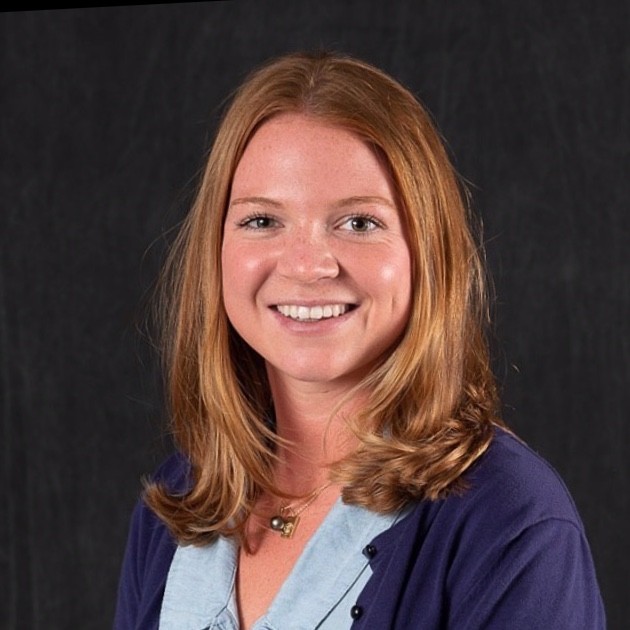 Kate Bourke, RDN, is an outpatient dietitian at Hackensack Meridian Health, where she partners with patients to create realistic, appealing meal plans for a range of health conditions, including diabetes, heart disease, and autoimmune disorders. Drawing on extensive clinical experience, she translates complex nutrition science into practical, patient-centered guidance and specializes in complex dietary management. She also serves on the clinical advisory board of NIMA Partners, Inc., which helps people with celiac disease and gluten intolerance feel safer, more confident, and more included around food.
Get the latest on the best things to do with your family in and around New Jersey by signing up for our newsletter and following us on Facebook and Instagram!
Read More:
Our Favorite Spots for Gluten-Free and Vegan Desserts in NJ

