

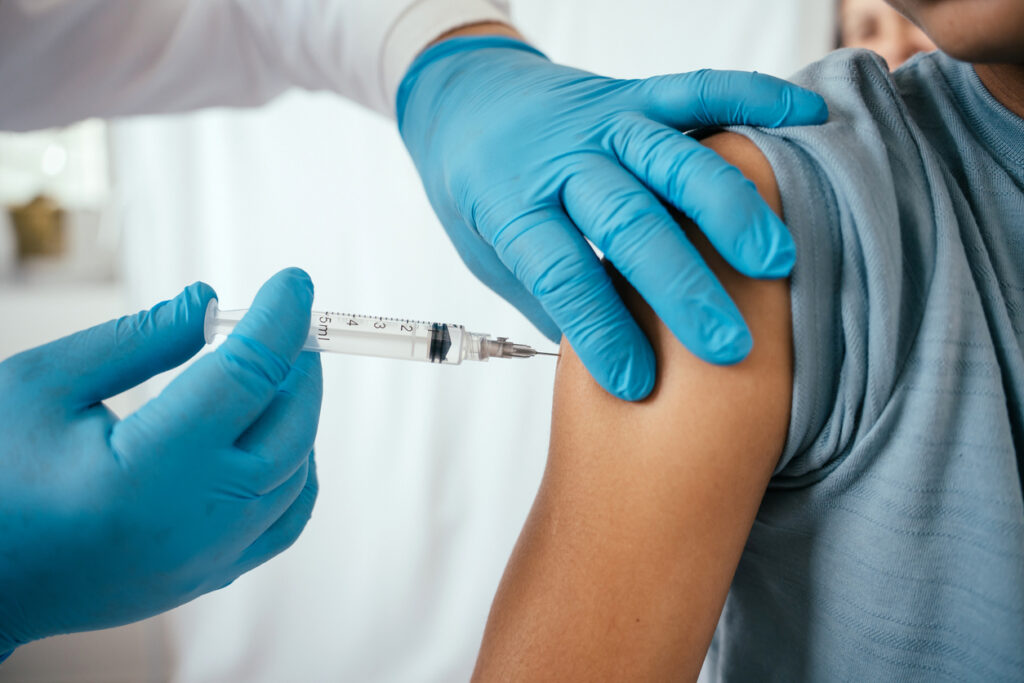
If you’ve been trying to make sense of the CDC’s newly updated childhood immunization schedule, you’re not alone. A newly released CDC update to the childhood vaccine schedule has been met with sharp criticism from many pediatricians, and the American Academy of Pediatrics called the new guidance “dangerous and unnecessary.”
While many childhood vaccines remain required, the CDC removed recommendations that all children be vaccinated for the flu, rotavirus, meningococcal disease, hepatitis A, and hepatitis B, shifting those from high-risk categories to a shared clinical decision-making category for doctors and patients to evaluate. Last year, the CDC stopped recommending kids be vaccinated for COVID-19 and in this latest guidance now recommends one instead of two doses of the HPV vaccine.
Federal health officials say the goal is to allow more flexibility and choice. But many pediatric experts worry the changes could have unintended and dangerous consequences.
Margaret Quinn, DNP, CPNP, CNE, a clinical professor and pediatric nurse practitioner educator at Rutgers, says the biggest takeaway for parents is that they should talk about the vaccine guidance with their child’s pediatrician. What’s important, she said, is to “make the best decision for your child and your family with the medical provider that you have a relationship with and that you trust,” adding that many of the vaccines parents are familiar with and schools require (such as measles, polio, diphtheria and tetanus) are still in the recommended and required category.
Quinn also said she has grave concerns with some of the changes, such as moving the vaccine for meningococcal disease to the “shared clinical decision-making category.”
“We were doing a great job with making strides and preventing some of these illnesses, and now I am afraid of what this is going to mean,” Quinn said. “You know, are we taking a few steps back?”
Quinn also expressed concern about shifting vaccines like flu out of routine recommendations, particularly given what clinicians are seeing right now with higher rates of influenza. Still, she stressed that parents and pediatricians should work together to make the best healthcare decisions for kids.
In a statement, the New Jersey Department of Health said that state immunization requirements for school and child care attendance remain unchanged, and that vaccines continue to be covered by insurance and available through the Vaccines for Children program. The statement also said that vaccines remain “unequivocally, our most effective defense against vaccine-preventable illnesses,” and warned that reducing routine recommendations risks leaving children vulnerable.
Major medical organizations, including the American Academy of Pediatrics (AAP) and the American College of Emergency Physicians, have strongly criticized the CDC’s decision, warning it could lead to increased illness, confusion, and even preventable deaths.
“At a time when parents, pediatricians and the public are looking for clear guidance and accurate information, this ill-considered decision will sow further chaos and confusion and erode confidence in immunizations,” the AAP statement said. “This is no way to make our country healthier.”
The AAP statement went on to say: “During this uncertain time, the AAP will continue to publish our own childhood vaccine recommendations,” adding that parents should talk with their children’s pediatricians to make informed decisions about what’s best for their children.
Get the latest on the best things to do with your family in and around New Jersey by signing up for our newsletter and following us on Facebook and Instagram!
Read More:
NJ Department of Health Wants Hepatitis B Vaccines at Birth, Despite CDC Guidance
New Jersey Urges Parents to Take a ‘Tech Timeout’ to Reconnect With Their Kids
THE LIST of New Jersey’s Favorite Kids’ Docs and Dentists 2025

