

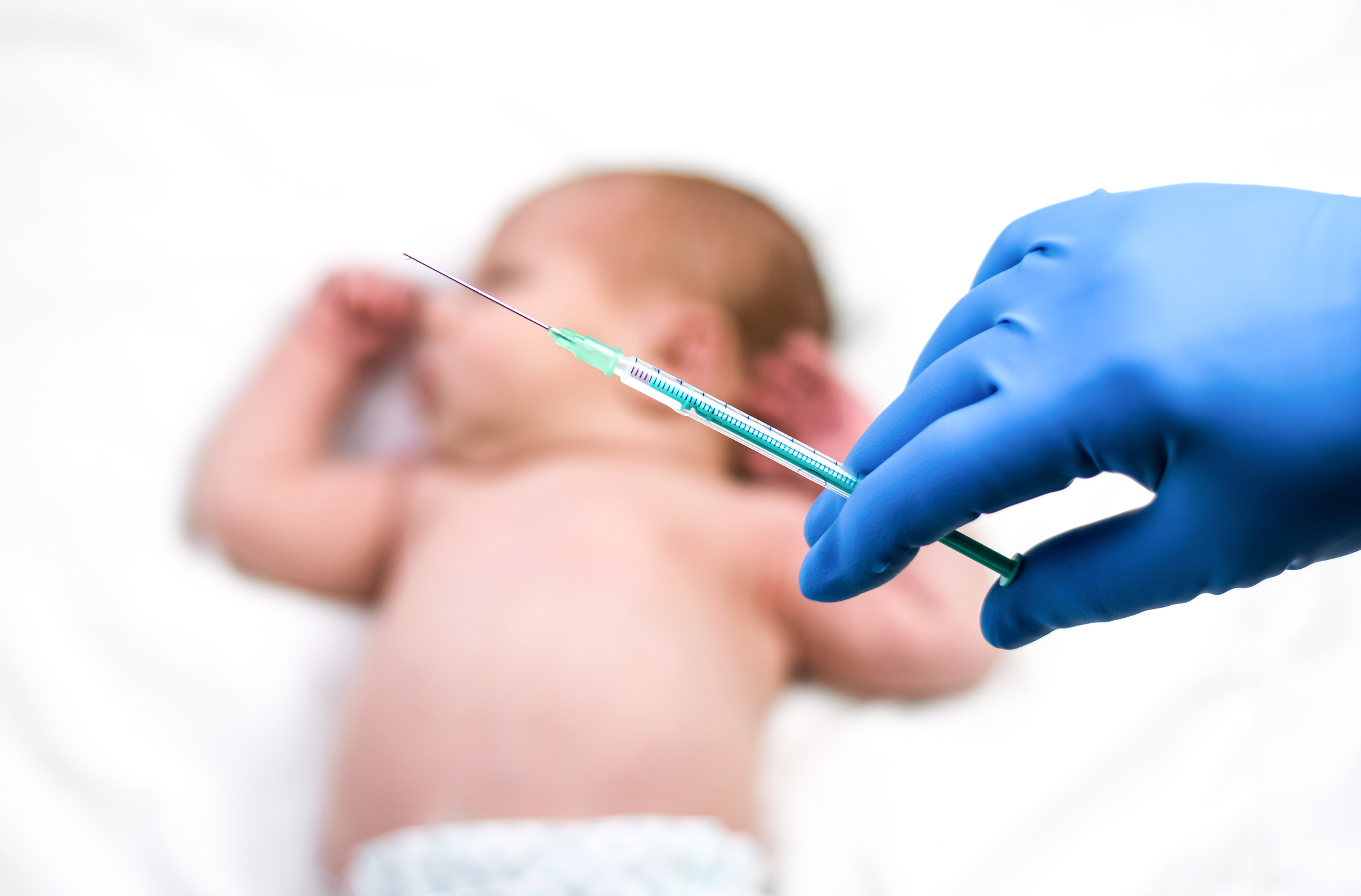
Amid national headlines about new CDC guidance on the hepatitis B vaccine that suggests doctors use discretion with infants to hepatitis B-negative parents, many are wondering what is best for their babies. In New Jersey, health officials have made their position clear: every newborn should receive the hepatitis B vaccine within 24 hours of birth, a proven step that protects infants from a virus that can cause chronic, lifelong liver disease.
Hepatitis B is a virus that attacks the liver and is spread through infected blood or bodily fluids. Babies can be exposed during birth, and adults can be infected through close contact, according to the New Jersey Department of Health. It’s important to note that Hep B is not spread by sharing utensils, breastfeeding, holding hands, hugging, kissing, coughing or sneezing.
Members of the Advisory Committee on Immunization Practices from the Centers for Disease Control and Prevention (CDC) recently voted to allow parents to delay vaccination at birth if their parents don’t carry the virus. The decision was partly based on information that hepatitis B cases have declined significantly since 1985.
But the New Jersey Department of Health is insisting that newborns receive protection immediately. This is backed by the Northeast Public Health Collective and the American Academy of Pediatrics.
Part of the issue is that not all mothers are screened during their prenatal checkups, which is a worry since a pregnant mother can spread the disease to their newborn during birth, and babies aren’t able to fight off the virus. Babies who are infected at
birth have a 90 percent chance of developing chronic hepatitis B, the most serious form of
the disease, according to the NJDOH.
The way to fight it off is to vaccinate your baby within 24 hours of birth, and then two more shots: at 1 to 2 months of age, and then at 6 to 18 months of age. If an infant’s parent is infected, that baby will need to get not only the first B vaccine, but also a hepatitis B immunoglobulin (HBIG) shot within 12 hours of birth.
Because hepatitis B is transmitted through blood and certain bodily fluids, it’s important not to share items that could cause minor skin breaks (like razors, toothbrushes, nail clippers, needles, or glucose meters) and to be careful around blood or open sores.
As the illness develops, it can either be short-term (acute) or chronic (long-term, or even lifetime). Chronic hepatitis B can lead to serious health issues, like cirrhosis or liver cancer.
Many people with hepatitis may not know it, because they don’t look or feel sick. Symptoms include loss of appetite, stomach pain, extreme tiredness, or yellowing of the skin or eyes. You can check via bloodwork.
The best way to prevent hepatitis B is by getting vaccinated. According to a pamphlet from the DOH, the Hep B vaccine “is very safe,” and has been used since 1991. The most common side effects are soreness at the injection site, or possibly a slight fever, and serious side effects are very rare.
The NJDOH has a Hepatitis Services Locator so you can find free or low-cost publicly-funded hepatitis services, including vaccination, testing and treatment.
Get the latest on the best things to do with your family in and around New Jersey by signing up for our newsletter and following us on Facebook and Instagram!
Read More:
6 Common Kids’ Health Myths Debunked
Is Your Child at Risk For Pre-Diabetes? Here’s How to Know
The Surprising Impact Diet Has on Your Kid’s Dental Health

