

The death of a 9-year-old child at The Boardwalk at Hersheypark in Hershey, PA is a devastating reminder of how quickly water-related tragedies can happen, even in supervised settings. Hershey Entertainment & Resorts Company confirmed the child’s death in a statement last night, sharing that despite immediate rescue efforts and emergency medical care, the child could not be saved. The tragedy occurred at The Boardwalk, an 11-acre water park located within Hersheypark, featuring splash pads, slides, a lazy river, a wave pool, and more.
Hershey Entertainment & Resorts Company shared this official statement from CEO John Lawn:
“Tonight, a nine year old guest was tragically lost at The Boardwalk at Hersheypark. From the moment our lifeguard team recognized that a child was in distress, they performed an immediate rescue, followed by continuous, coordinated life saving efforts by our lifeguards, on site first responders, and medical personnel. The child was transported without delay to Milton S. Hershey Medical Center, where despite everyone’s tireless efforts, the child did not recover.
Our hearts break for this child and the child’s family. We extend our deepest condolences for their loss. Out of respect for their privacy, we will not release any personal details at this time.
The safety of our guests has always been our highest priority. In the coming days, we will conduct a thorough internal review and cooperate fully with authorities.
As we grieve alongside our community, we ask for privacy for the family and for our team members who are deeply affected by this loss. We will provide updates as appropriate, and we will continue to work to support everyone involved.
To every family who visits Hersheypark, please know this: your safety and well being drive every decision we make. We will thoroughly investigate this tragedy and honor the memory of this young guest by continuing our focus on ensuring the safety of our guests at Hersheypark.”
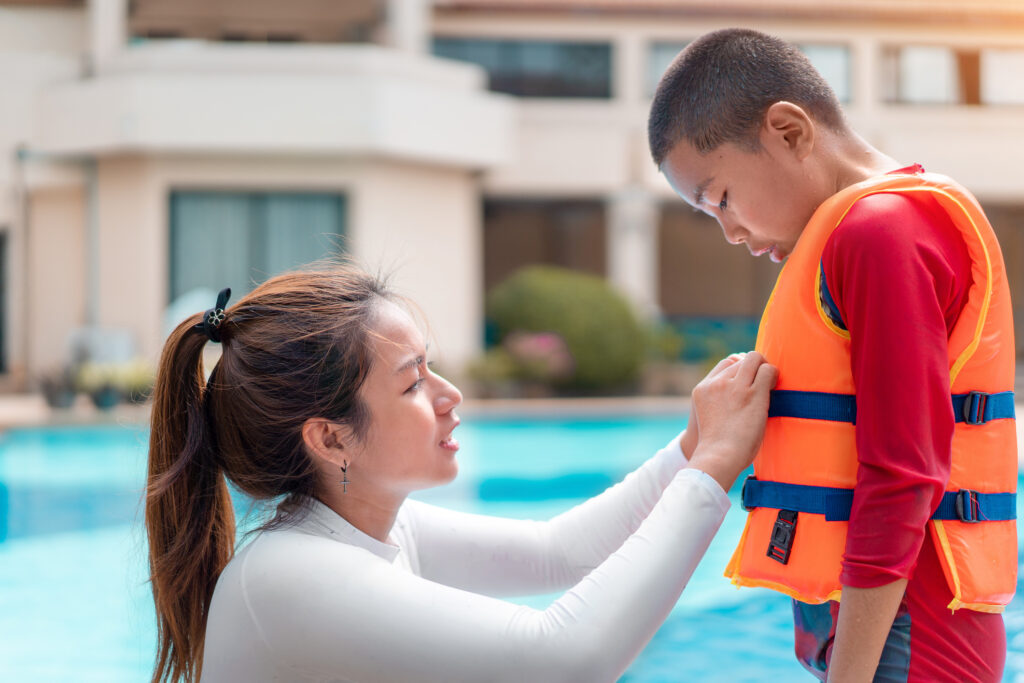
World Drowning Prevention Day Aims to Spread Water Safety Awareness
Tragically, the 9-year-old boy’s death was confirmed just before World Drowning Prevention Day (July 25th) is being recognized and shortly after the U.S. Consumer Product Safety Commission issued a major recall of 5 million above-ground pools due to drowning hazards. Specifically, the recall warned that “the compression strap that surrounds the outside of the pool legs may create a foothold, allowing a child access to the pool, posing a drowning risk.”
The ZAC Foundation, a national water safety nonprofit, was founded after 6-year-old Zachary Archer Cohn drowned due to a pool drain entrapment. His parents, Karen and Brian, have made it their mission to bring free water safety education to thousands of at-risk kids. Since launching in 2011, ZAC Camps have provided swim lessons to over 20,000 children nationwide. In partnership with Boys & Girls Clubs of America, the free four-day camps focus on in-water swim lessons, classroom activities, and meeting local first responders.
The Leading Cause of Death in Children in the US
According to the American Red Cross, drowning is one of the leading causes of death for children in the U.S. An average of 11 people die from drowning each day. Drowning is the #1 cause of death for children ages 1–4, according to the CDC. For kids ages 5–14, it is the second leading cause of unintentional injury death after motor vehicle accidents, according to the Red Cross. Children and adults with autism are nearly 40 times more likely to drown than the general population.
Drownings happen silently and quickly, often while a parent or caregiver is momentarily distracted. Strong swimmers also need to understand the risks of drowning. In the wake of the recent drowning death of actor Malcolm-Jamal Warner while swimming in Costa Rica, health experts are urging families to understand both active and secondary drowning risks for swimmers of all experience levels.
“While young children are at highest risk, drowning can happen to anyone, regardless of age or swimming ability. Even experienced swimmers can drown due to factors like exhaustion, cramps, or underlying medical conditions,” said Virteeka Sinha, medical director, Pediatric Emergency Medicine, Joseph M. Sanzari Children’s Hospital at Hackensack University Medical Center.
Experts also emphasize that drowning is often silent. “Everyone has heard drowning can happen quickly. But many parents don’t realize just how fast – in the time it takes to check a text message, apply sunscreen or pour a drink, a child or weak swimmer can drown,” adds Marie Grace Ponce, M.D., medical director, Pediatric Emergency Medicine at K. Hovnanian Children’s Hospital at Jersey Shore University Medical Center.
Dry and Secondary Drowning
Parents also need to understand the risks of “dry” or “secondary” drownings, where a child appears fine but later may show symptoms like:
- Persistent coughing or trouble breathing
- Lethargy, confusion, or irritability
- Change in skin color
- Loss of consciousness
These symptoms can appear up to 24 hours later and should be treated as a medical emergency.
Experts remind parents to follow these crucial safety tips when in or around water:
- Learn basic swimming and rescue skills
- Always supervise children closely, regardless of whether a lifeguard is on duty. Designate a “Water Watcher” using this printable card from the Red Cross.
- Use life jackets, not floaties
- Avoid alcohol while swimming or supervising
- Learn CPR by taking a certified course through the Red Cross.
- Teach kids how to call 911
When at a water park:
- Keep younger or less experienced swimmers within arm’s reach
- Don’t rely solely on lifeguards—stay alert
- Understand pool depths and slide restrictions
- Set clear rules and check in frequently
When at the beach:
- Be aware of rip currents
- If caught in a rip current: swim parallel to the shore, not directly back
- Obey beach flags and lifeguard instructionsWhen at the pool:
- Designate a water watcher. This person should stay off their cell phone and keep a watchful eye on the kids in the pool at all times.
- Use properly fitted Coast Guard-approved life jackets (not floaties) for young or inexperienced swimmers.
- Set clear rules about not pushing, diving in shallow areas, or fooling around to prevent head injuries or slipping.
- Fence and lock home pools.For more water safety tips, head to the CDC’s guidance on drowning prevention.
Get the latest on the best things to do with your family in and around New Jersey by signing up for our newsletter and following us on Pinterest, Facebook and Instagram!
Read More:
5 Water Safety Tips to Keep Kids Safe This Summer
New Jersey is One of The Best States For Children’s Health Care, Study Says
Amazon One Medical Opens First NJ Location with Hackensack Meridian Health

