

Living across the river from Broadway has its perks, but you don’t have to cross the Hudson to see live theater in a spectacular venue. New Jersey is full of community theaters, some well-known and others under the radar. Many have a rich history behind them, from hosting vaudeville and silent films to iconic concerts (like Bruce Springsteen and the E-Street Band’s 2008 show that helped restore the Count Basie in Red Bank). Here’s a look at the history behind eight theaters and why each one is worth a visit.
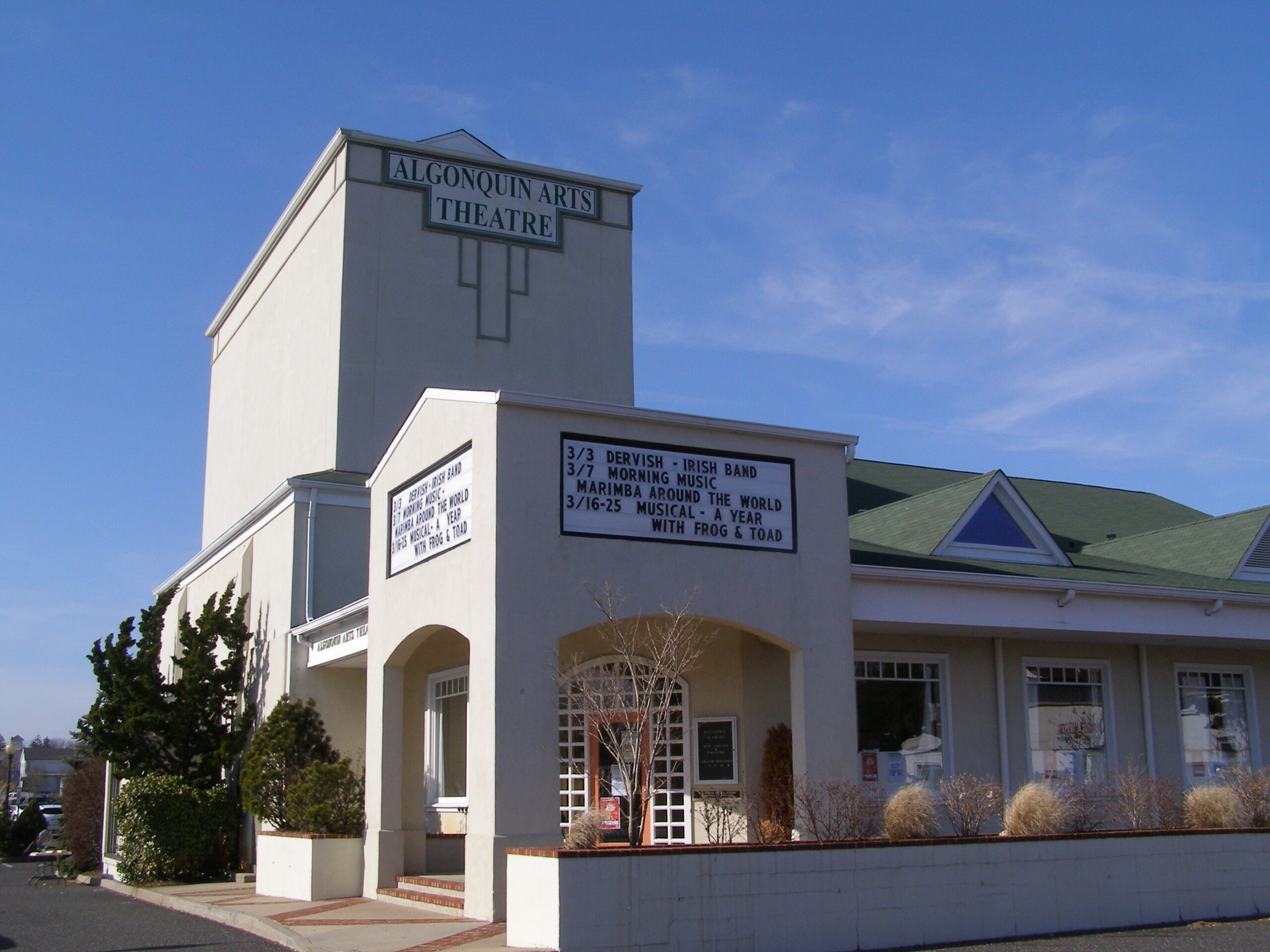
Algonquin Arts Theatre
60 Abe Voorhees Dr., Manasquan
The Algonquin Theatre opened as a first-run movie house in 1938. Through the mid-1970s, it became a second-run film house, but then closed in 1981. A decade later, Manasquan residents Fran and Jack Drew and Sal and Joyce Maraziti stepped in to save the abandoned theater. In 1992, they co-founded Algonquin Arts as a nonprofit, and began a multi-million-dollar renovation that added a new stage, fly tower, orchestra pit, upgraded lighting and sound systems, accessibility options, dressing rooms, 540 seats, a courtyard entrance, modern restrooms, and a new lobby.
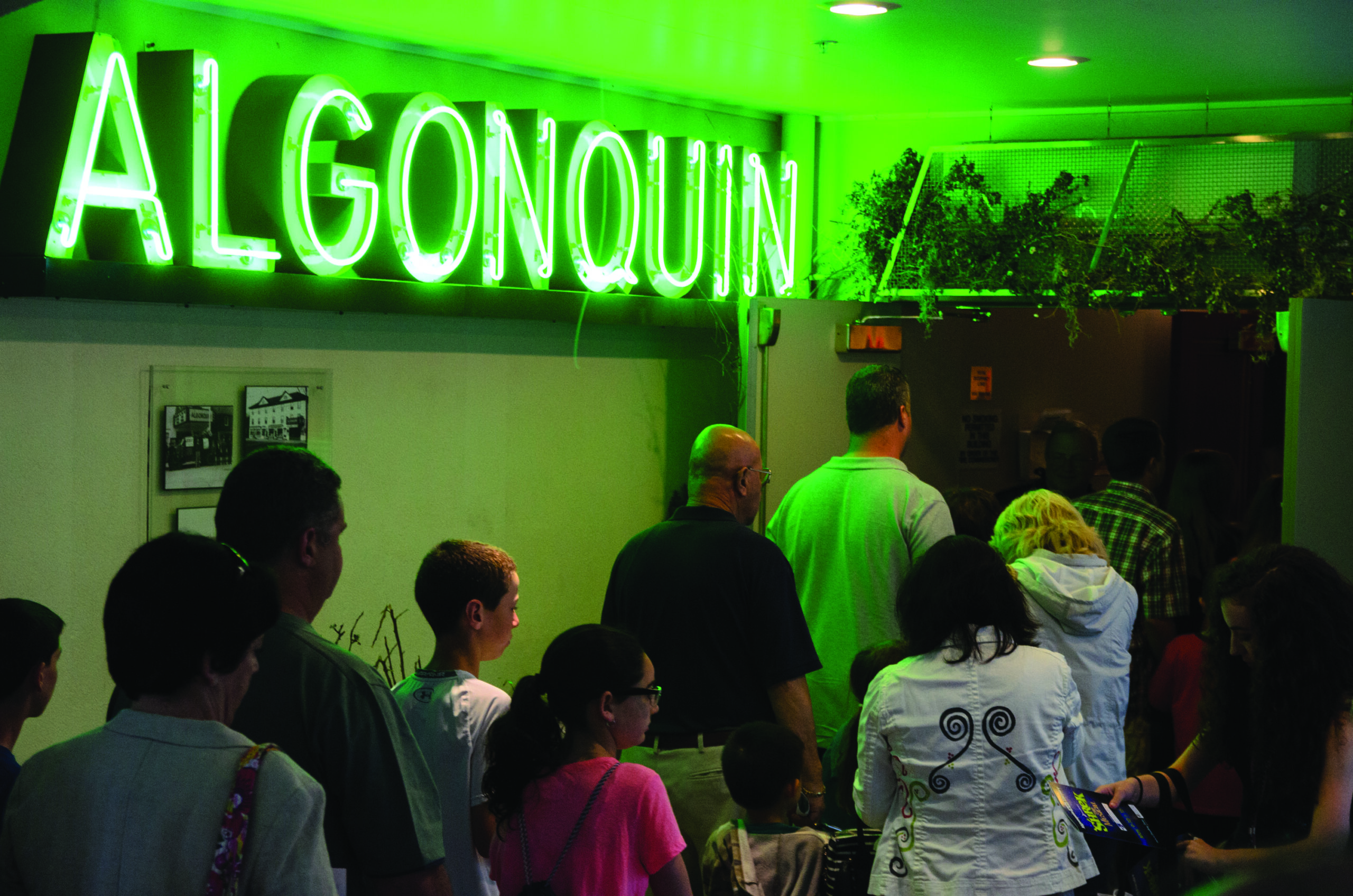
Live performances began again in 1994, and by 2002, the beloved theater was widely known as a cultural center. In 2009, the Board of Trustees of Algonquin Arts bought the theater and funded even more renovations through 2014.
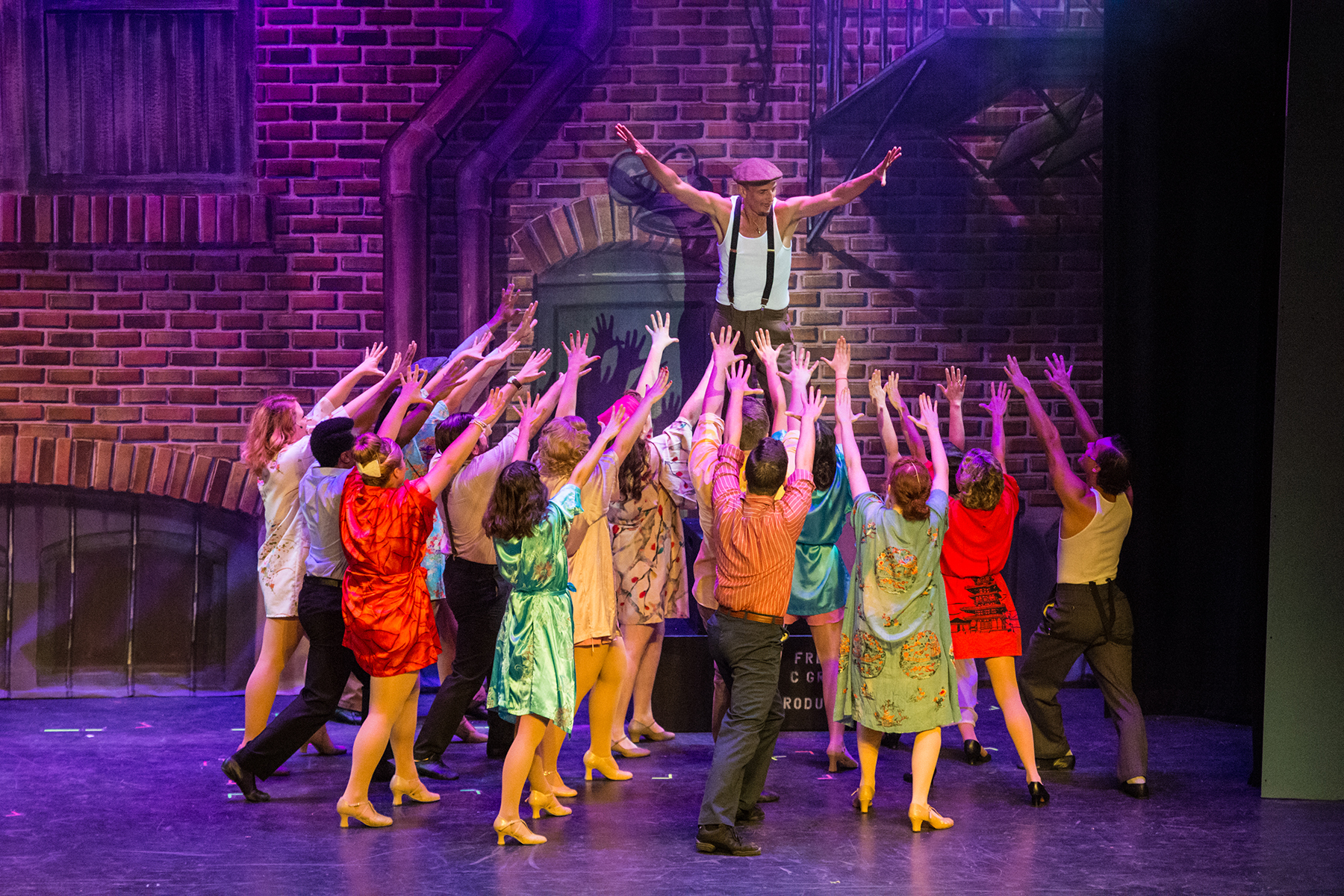
Today, Algonquin hosts a variety of plays, musicals, orchestral music series, jazz and pop concerts, special events, student matinees and film presentations. You can also sign up for classes and workshops in theater, music and dance.
For a lineup of performances, visit algonquinarts.org.
What Else is Nearby: Try the popular ½-pound hand-packed burger at The Irish Rail, then treat yourself to a vegan, gluten-free dessert at Papa Ganache. Stop in at one of Manasquan’s charming boutiques like Squan Dry Goods (a vintage consignment shop), Rare Cargo or Good Karma.
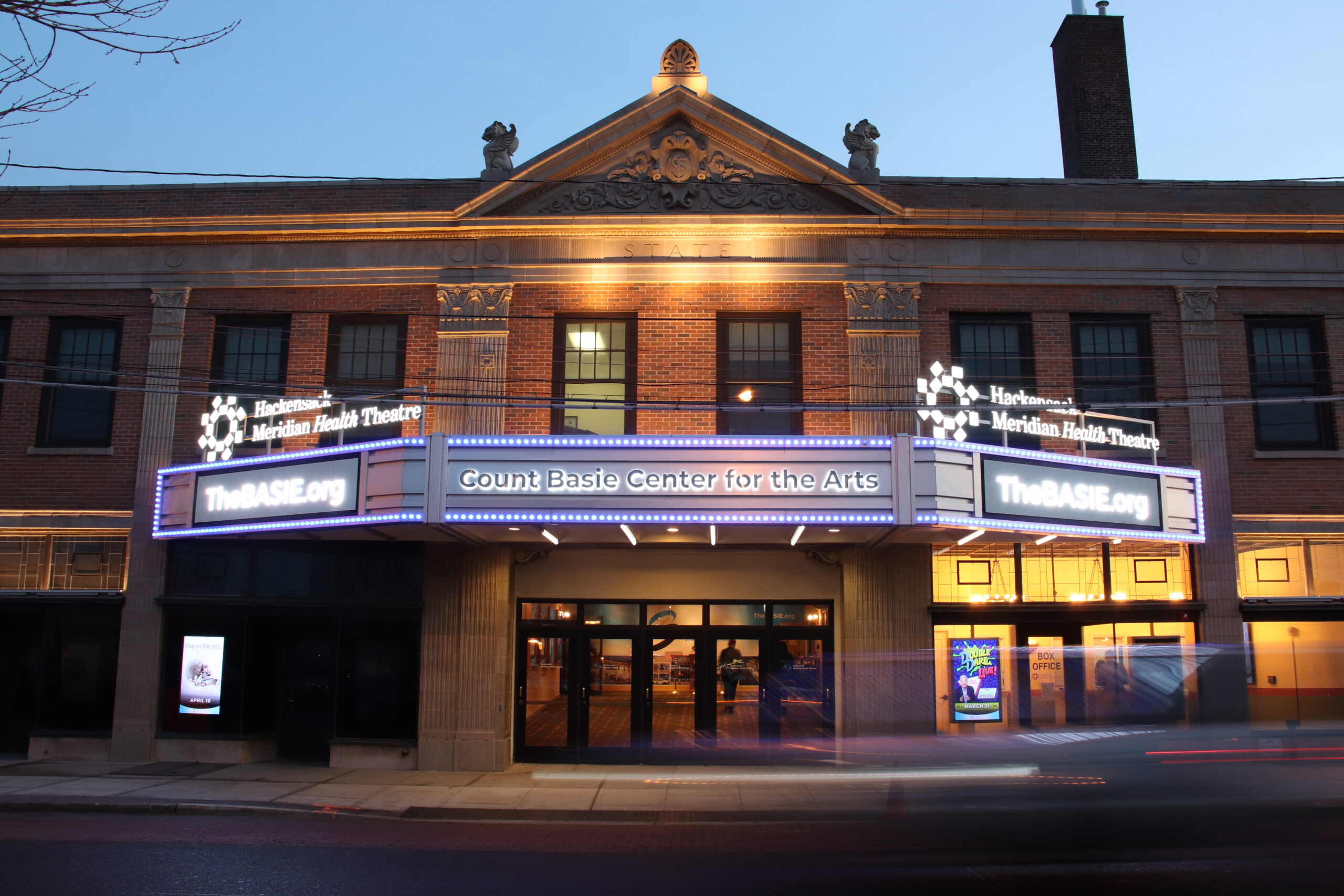
Count Basie Center for the Arts
99 Monmouth St., Red Bank
This Red Bank landmark first opened in 1926 as Reade’s Carlton Theatre, hosting vaudeville, films, touring productions, and concerts. After some neglect in the 1960s, an anonymous donation in 1973 enabled the Monmouth County Arts Council to buy the Carlton. The theater was renamed the Monmouth Arts Center.
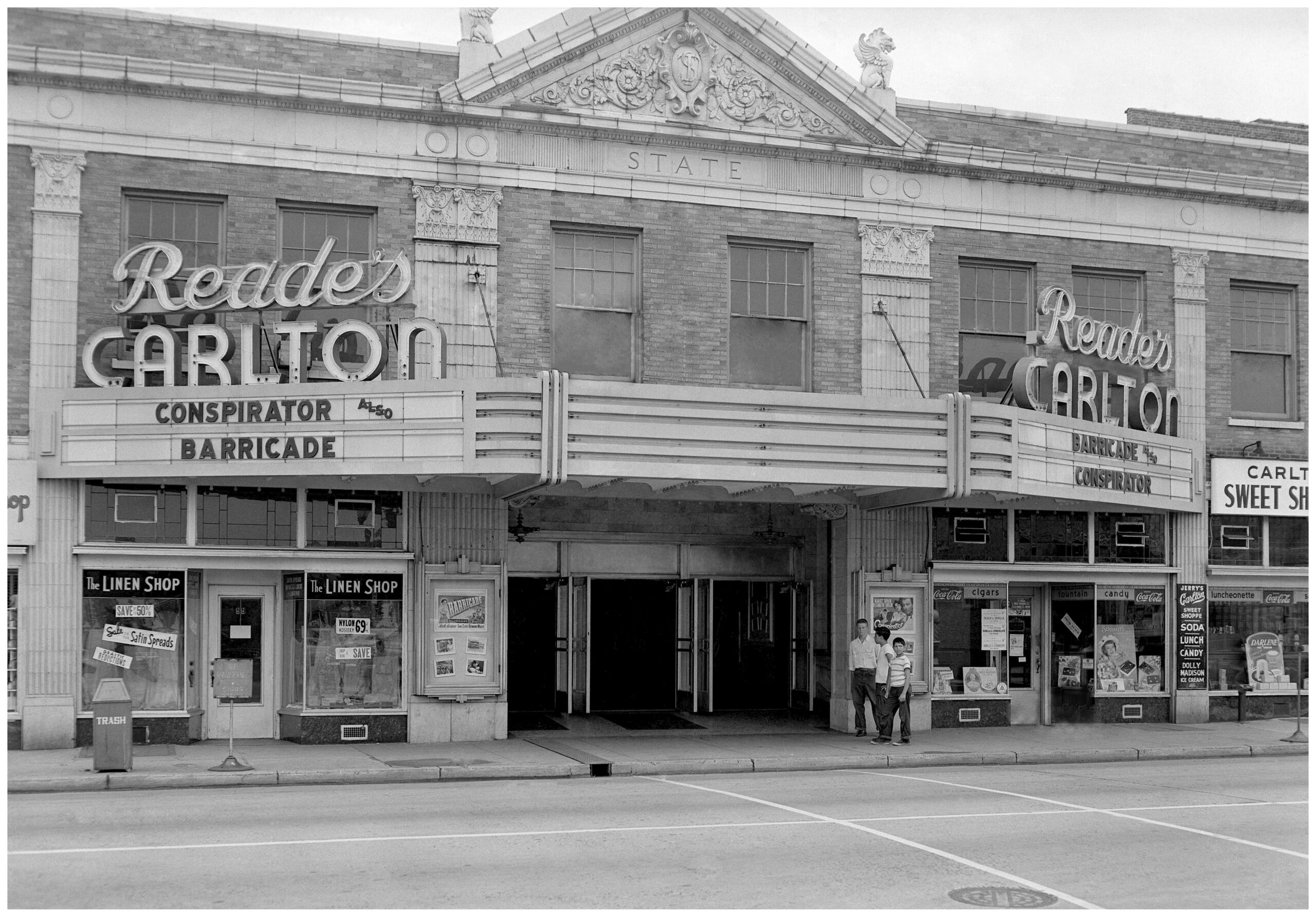
In 1961, Red Bank native William J. “Count” Basie held a series of homecoming performances at the theater. Six months after he died in 1984, the Monmouth Arts Center was renamed Count Basie Theatre in his honor.
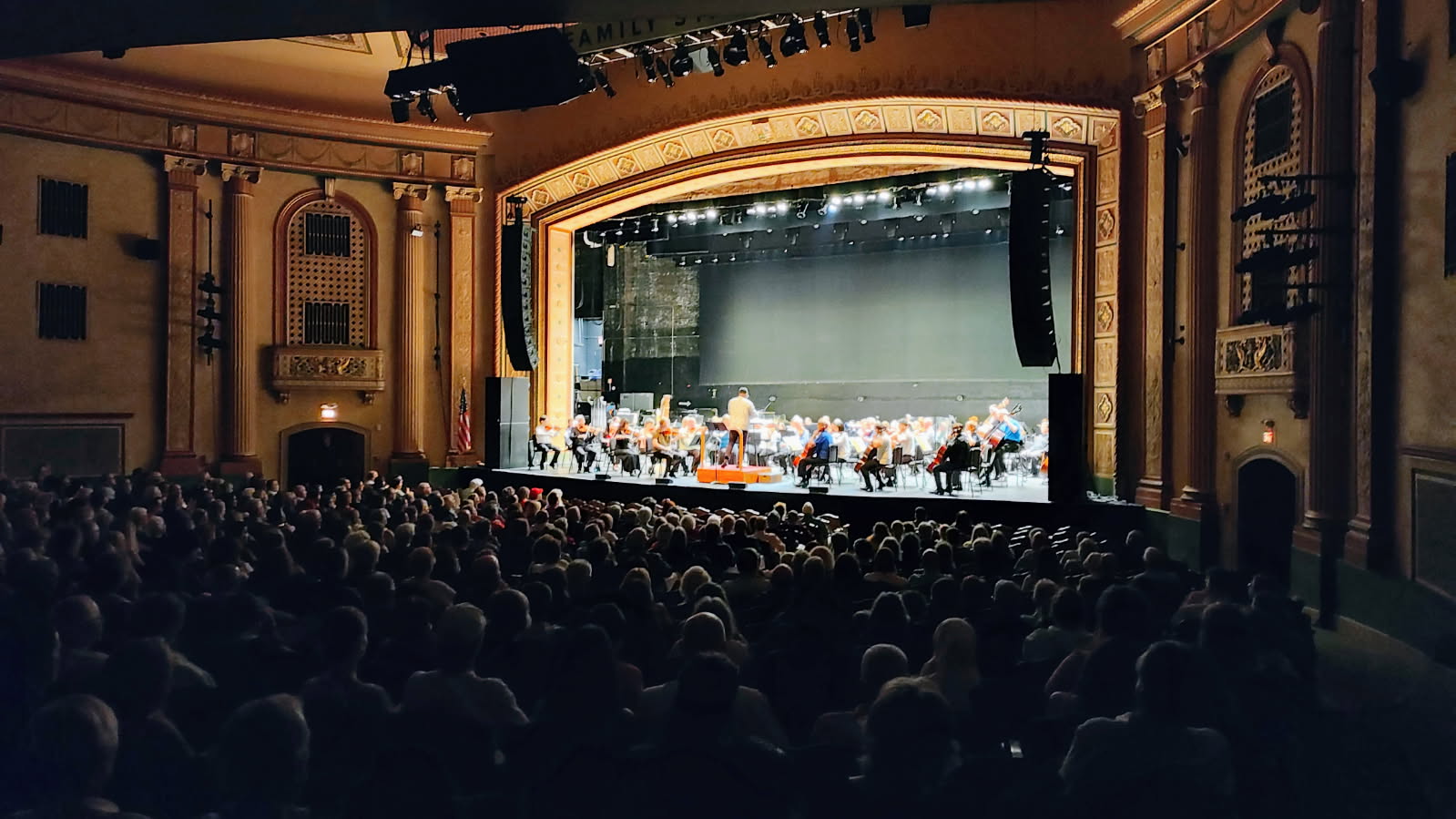
A performance by Bruce Springsteen and the E-Street Band in 2008 helped fund a major restoration, which returned the theater to its original Spanish-influenced glory from 1926. In 2010, the building’s iconic façade was restored.
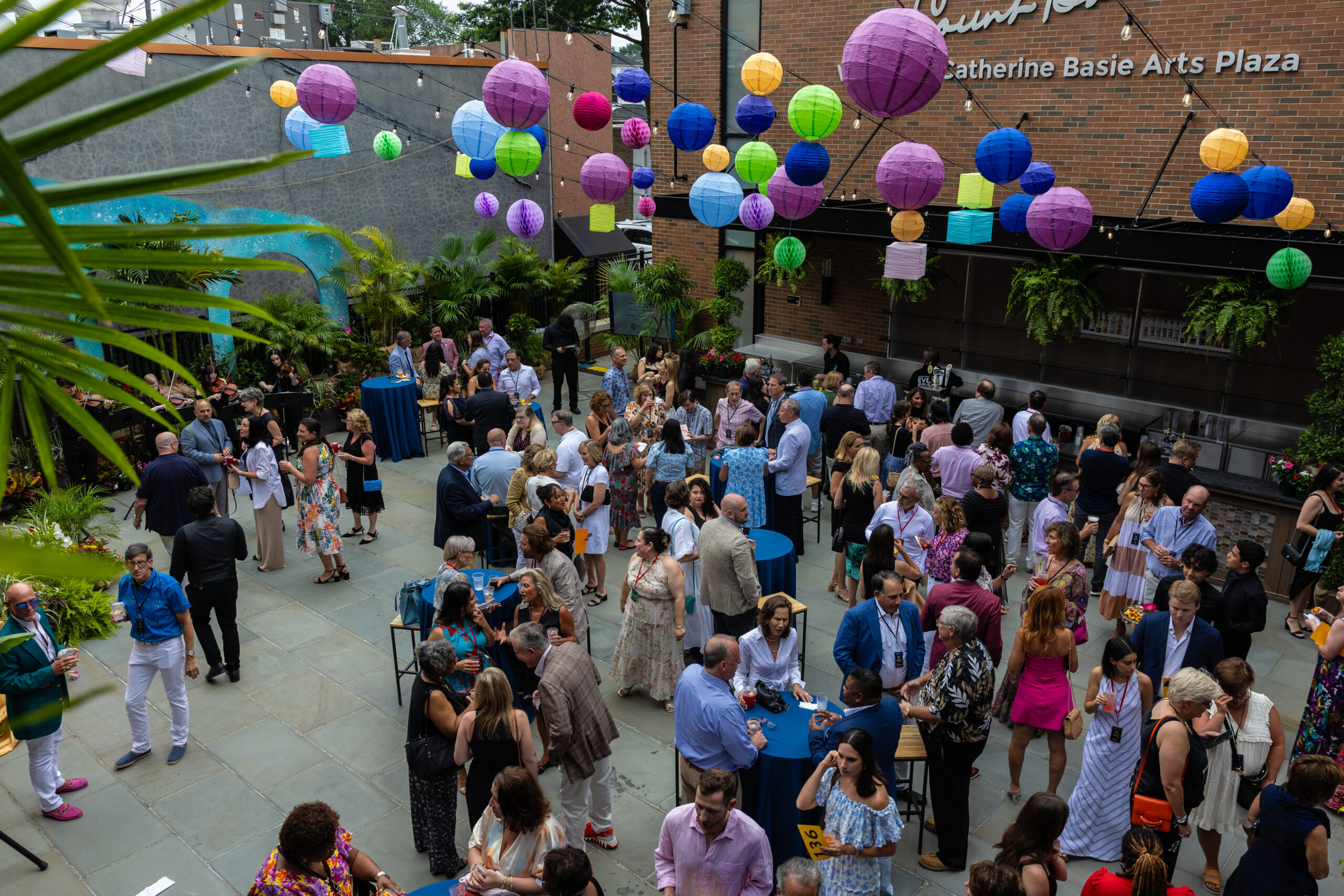
Today, the Count Basie Center for the Arts is home to entertainment and education programs, The Basie Center’s Academy of the Arts, the Grunin Arts Education Building, the Turner Academy of the Arts, and The Vogel (a second performance space). The theater is listed on the National Register of Historic Places in America.
For a lineup of performances, visit thebasie.org.
What Else is Nearby: Have an Italian dinner at Buona Sera, fondue at the Melting Pot, or pub fare at The Robinson Ale House. Other popular spots in town include Jay & Silent Bob’s Secret Stash, a comic book store founded by actor and producer Kevin Smith and YESTERcades, a retro pinball arcade.
Levoy Theatre
126-130 N. High St., Millville
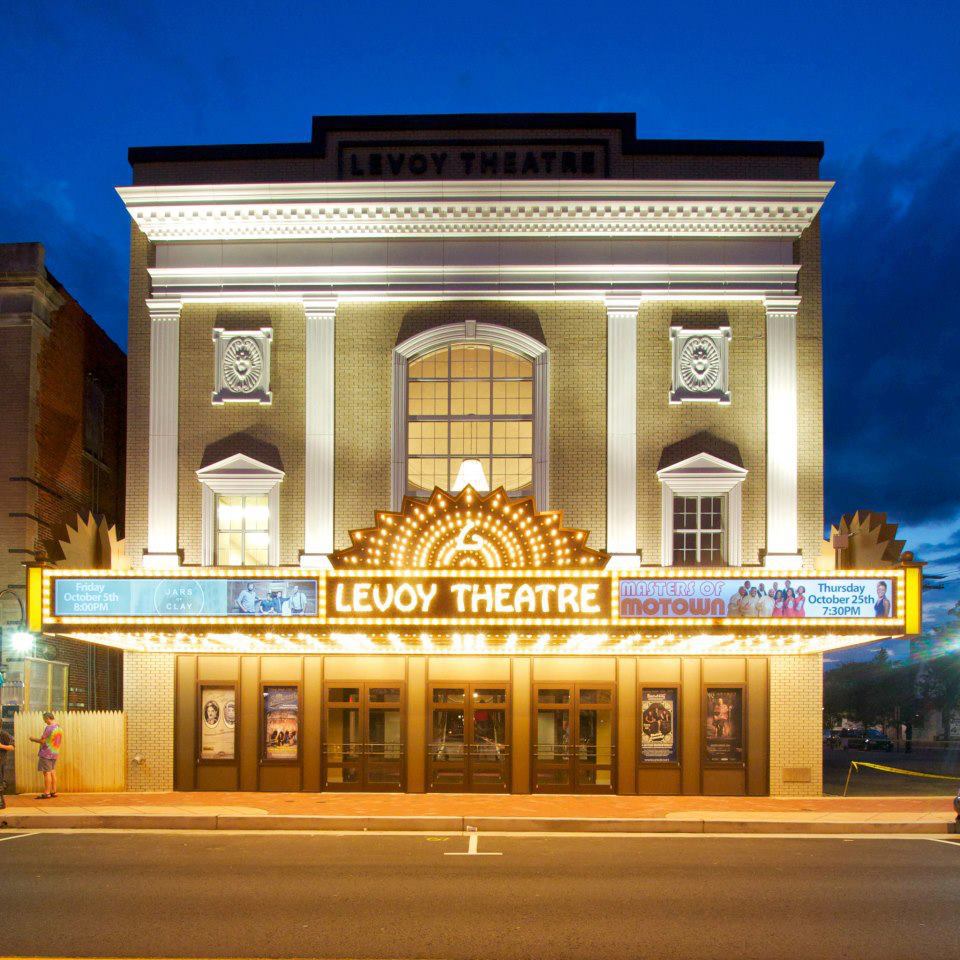
In the 1890s, showman William “Pop” Somers was engrossed in a legal battle with George Ferris. The issue? Somers created a wooden Roundabout (aka Somers Wheel) at the same time that Ferris created the metal Ferris wheel. Somers decided to relocate to Millville to open his own entertainment center. The building had a small theater on the first floor and a dance floor on the second floor, and he called it the Levoy.
After opening in January 1908, the theater added a larger stage, a balcony and a broader façade. The “New Levoy” debuted on November 4, 1912, with a mix of vaudeville, silent film, and other acts.
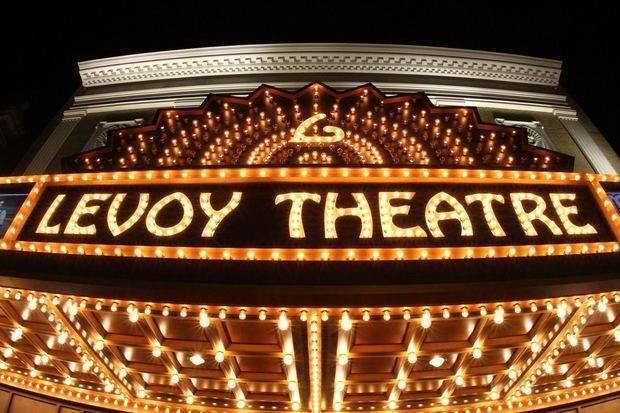
The New Levoy expanded again in the 1930s: auditorium seating increased to 1,100, including 400 balcony seats, and a Lenoir Pipe Organ was installed. The “Theatre Beautiful” opened on September 19, 1927, and the focus was live vaudeville.
On August 18, 1939, Warner Bros. upgraded the theater’s RCA sound and film projection systems, and the Levoy opened for motion pictures. After movies began to lose popularity to the novelty of television, Warner Bros. sold the Levoy to Eugene Mori in 1952. In 1958, it was handed over to Simon Cherivtch, a businessman and former Millville mayor who converted the first floor into two retail shops.
In 1974, Cherivtch sold the theater to Seymour “Sy” Siegal, who made some upgrades, and then briefly reopened the theater in November. But on Christmas Eve, the city shut it down. Two years later, the city threatened to demolish the Levoy, but due to the expense of demolition, the theater was left abandoned and in disrepair for 40 years.
In 1980, Blaze Diegidio bought the property, turning the second-floor mezzanine into residential apartments.
In 1994, a group interested in restoring the Levoy came by for a tour, and Joseph Pierce Jr. took the project to heart. He convinced his father and a friend to establish the nonprofit Levoy Theatre Preservation Society (LTPS). When Diegidio passed away in 1998, his survivors sold the Levoy to the LTPS, and Pierce had the Levoy placed on the National Register of Historic Places.
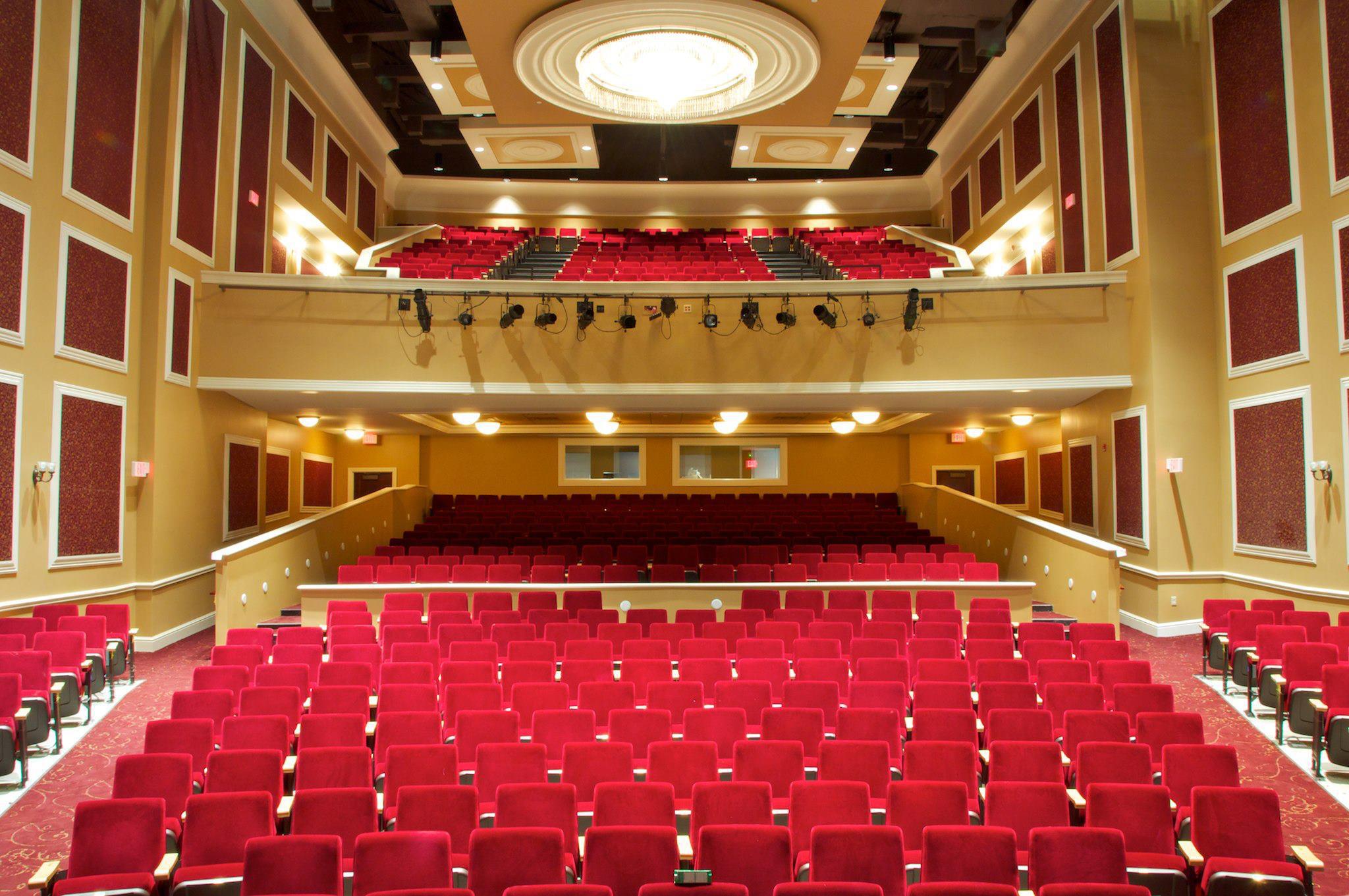
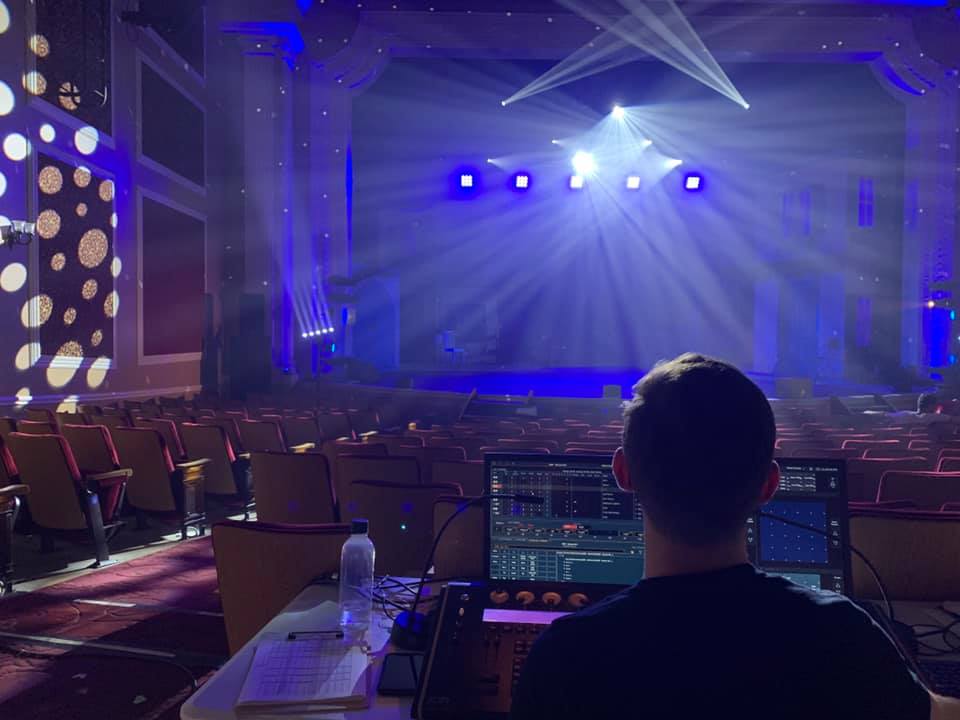
In 2007, Lauren Van Embden, a young attorney and member of Off Broad Street Players (OBSP), spoke to her dad about having LTPS join with OBSP to reopen the theater. Thousands of petitions were delivered to the Millville City Commissioners before Christmas 2008. LTPS and OBSP created the Levoy Renaissance Project, and another modernization project started in May 2011. The new 696-seat, state-of-the-art Levoy Theatre reopened on September 9, 2012.
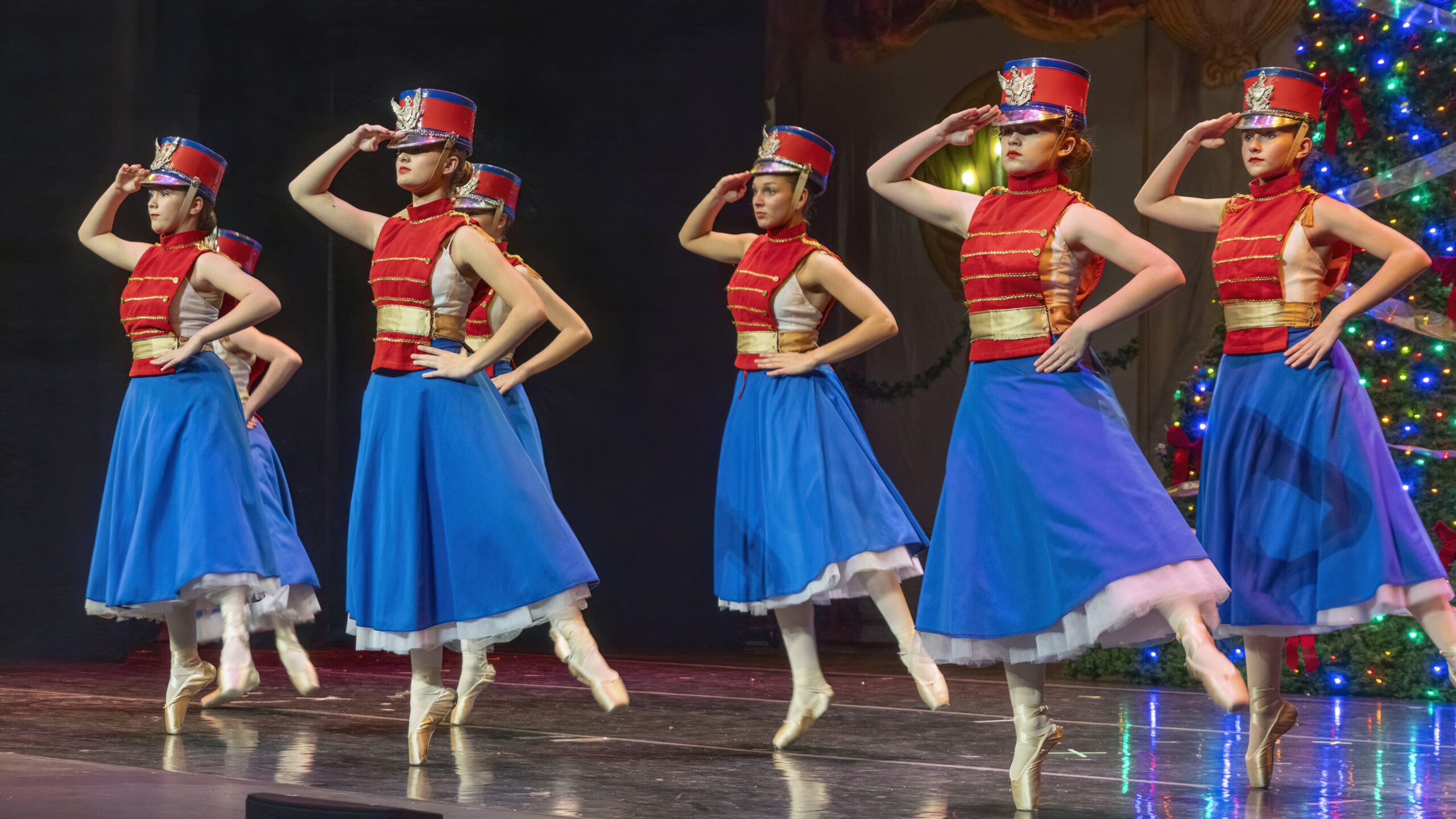
Today, the Levoy hosts rock concerts, comedy shows, musicals, plays, ballets, films, and educational summer camps.
For a lineup of performances, visit levoy.net.
What Else is Nearby: Downtown Millville has cute shops and restaurants. The town’s history of glassmaking makes it worth coming early to visit WheatonArts, home to the Down Jersey Folklife Center and the Museum of American Glass.
BJ Roasters is known for its chicken wings; Full Potatoes is all about the spud (with burgers and seafood on the menu). Save room for giant dessert sandwiches at Krazy Kidz Cookies.
Newark Symphony Hall
1020 Broad St., Newark
Known as “Newark’s First Stage,” Newark Symphony Hall is celebrating its 100th anniversary this year. Opened in 1925 as the Salaam Temple/Masonic Temple, it remains one of New Jersey’s oldest and largest arts and entertainment venues.
Over the years, the hall has hosted everything from vaudeville acts and symphony orchestras to cinema films. After the Great Depression, the Griffith Music Foundation transformed the venue—nicknamed “The Mosque” because it was once the Salaam Temple—into a cultural powerhouse. Legendary performers included the New Jersey Symphony Orchestra and The New York Philharmonic conducted by Leonard Bernstein, opera greats Marian Anderson and Plácido Domingo, Ballet Russe de Monte Carlo, the New Jersey Ballet Company, and piano virtuosos Victor Borge and Van Cliburn.
Music’s biggest legends have graced the stage here, including The Beatles, Jimi Hendrix, The Rolling Stones, Aretha Franklin, The Temptations, Kirk Franklin, Judy Garland and Tony Bennett. More huge acts over the past 50 years include Gladys Knight, The O’Jays, Richard Pryor, Queen Latifah, and Patti LaBelle.
This year’s centennial celebration includes commissioned artwork, a call for community artifacts and memorabilia, and the sharing of personal stories that honor the theater’s enduring place in New Jersey’s cultural history.
For a lineup of performances, visit newarksymphonyhall.org
What Else is Nearby: A short drive away, the city’s Ironbound District is known for its authentic Portuguese restaurants, including those that serve rodizio. If you’re walking along Ferry Street, get a table at Sol-Mar Restaurant & Marisqueira or Mompou Tapas Bar & Restaurant, or stop by Hobby’s Delicatessen & Restaurant for its famous pastrami sandwich.
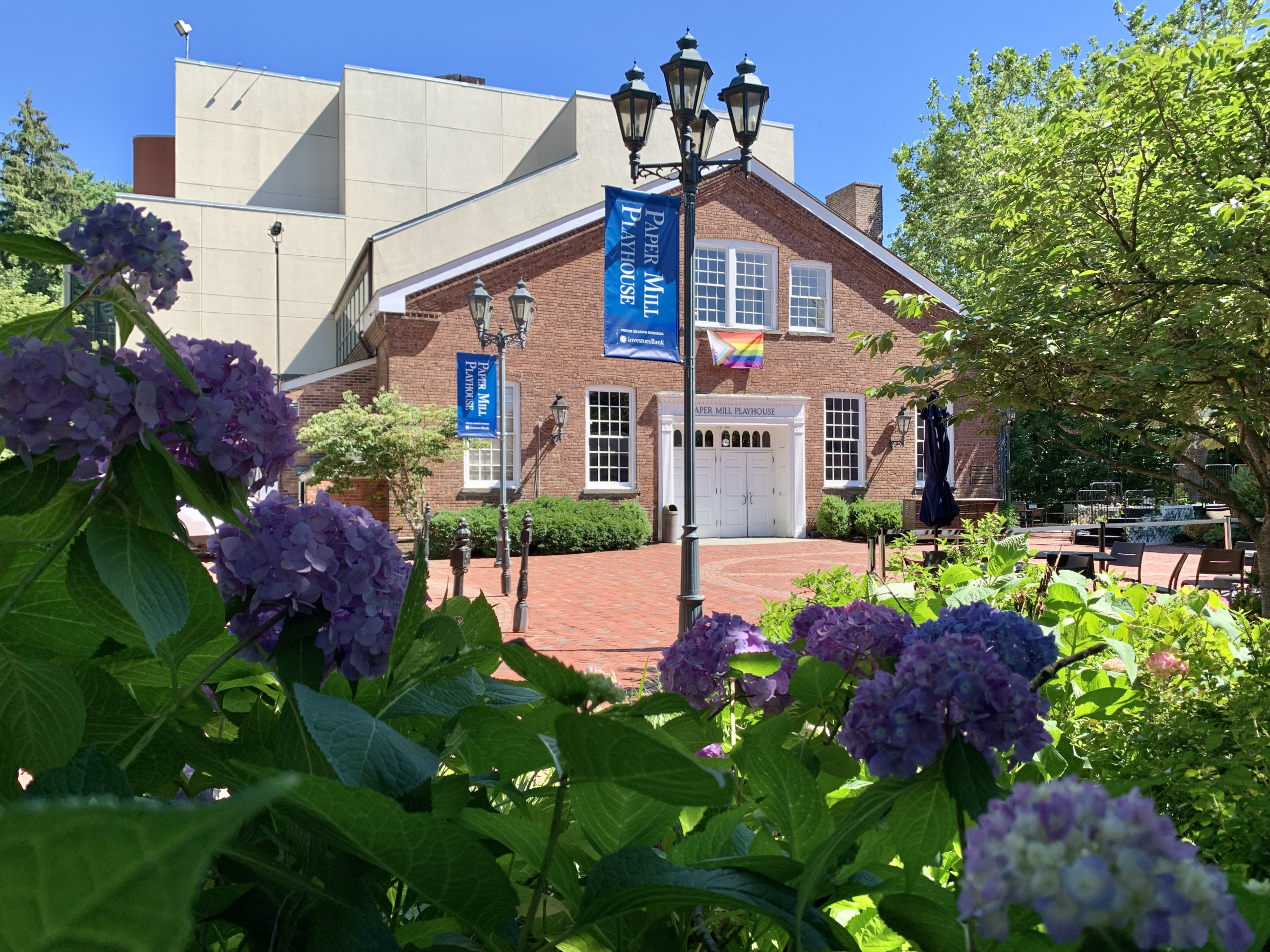
Paper Mill Playhouse
22 Brookside Dr., Millburn
In 1795, Samuel Campbell opened The Thistle Paper Mill, which was later rebuilt after a devastating fire in the 1860s. The theater continued to operate as the Diamond Paper Mill until 1928.
A few years later, Frank Carrington and Antoinette Scudder, founders of The Newark Arts Theater, were looking for a home for their traveling theater group. In 1934, after seeing an ad for a vacant factory, they bought the Diamond property and transformed it into the Paper Mill Playhouse.
The Paper Mill opened its doors on November 14, 1938, with The Kingdom of God. A year later, Carrington launched The First New Jersey Theatre Festival, and established a theater school for young student performers.
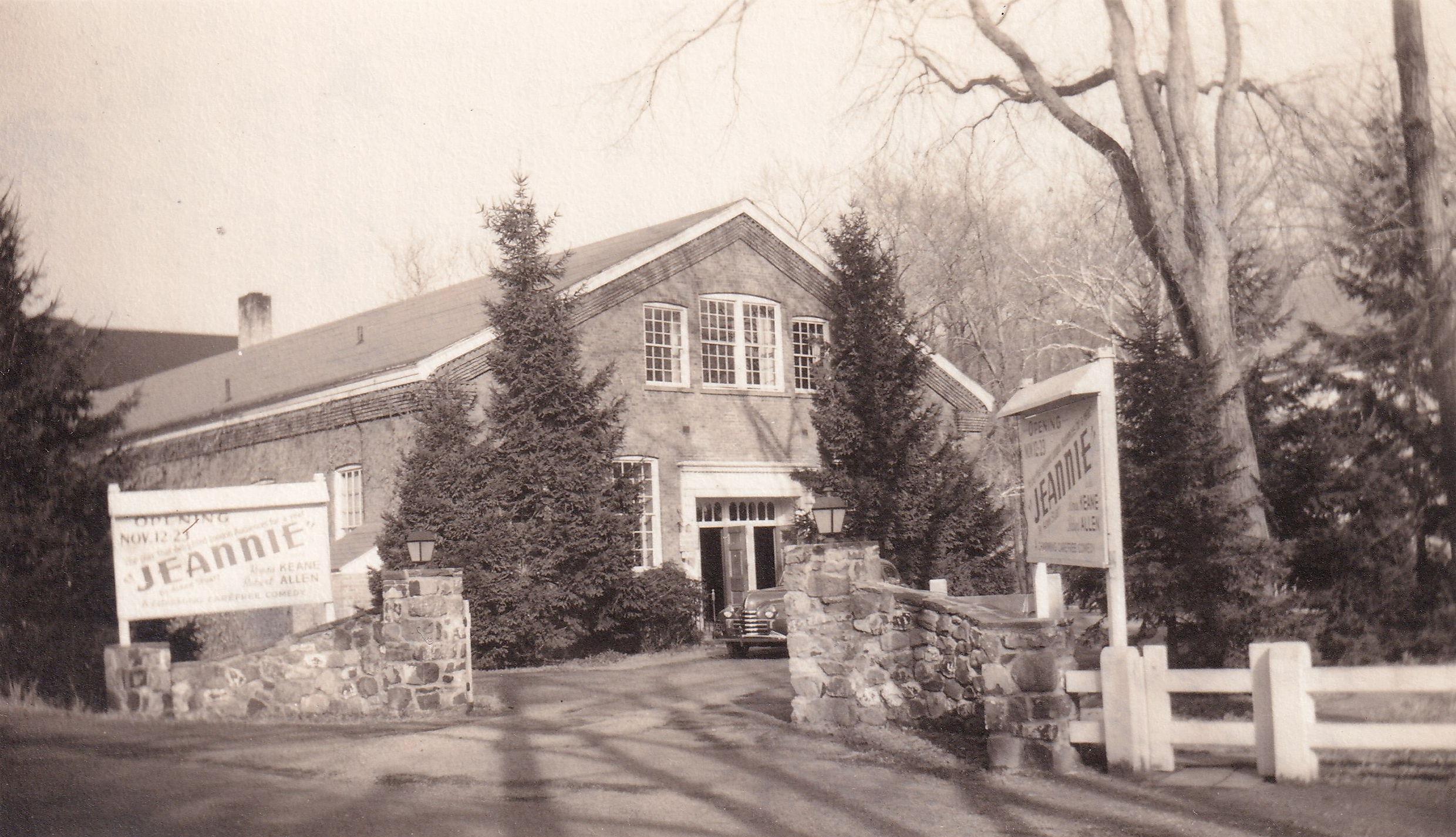
Demand to see shows grew so much that a special train line along the Morris-Essex Railroad, aptly called The Paper Miller, ran to and from Newark based on the show schedule.
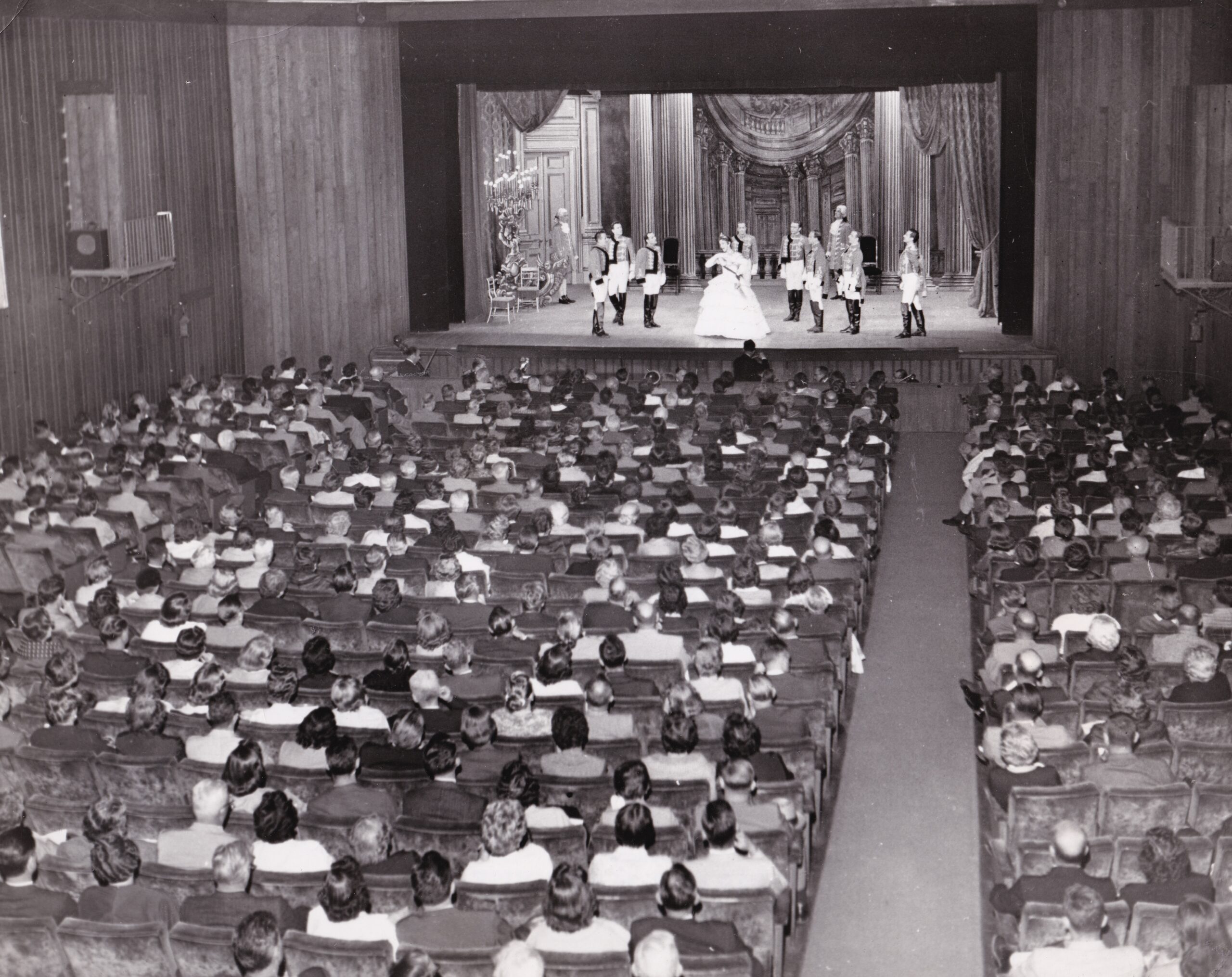
Lots more history was made over the years. On June 14, 1965, Paper Mill’s production of The Glass Menagerie moved to Broadway. In 1971, the New Jersey Ballet began a residency at Paper Mill. On June 20, 1972, Governor William Cahill proclaimed Paper Mill Playhouse as the state theater of New Jersey.
Tragedy struck on January 14, 1980, when a catastrophic fire nearly destroyed the theater. But the Paper Mill came back strong, reopening on October 30, 1982, with its production of Robert and Elizabeth and a gala.
Ann Miller, Phyllis Newman, Betty Buckley, Deborah Gibson, Bernadette Peters, Mickey Rooney, Patrick Swayze and Tony Danza are among the legends who have graced the stage here.
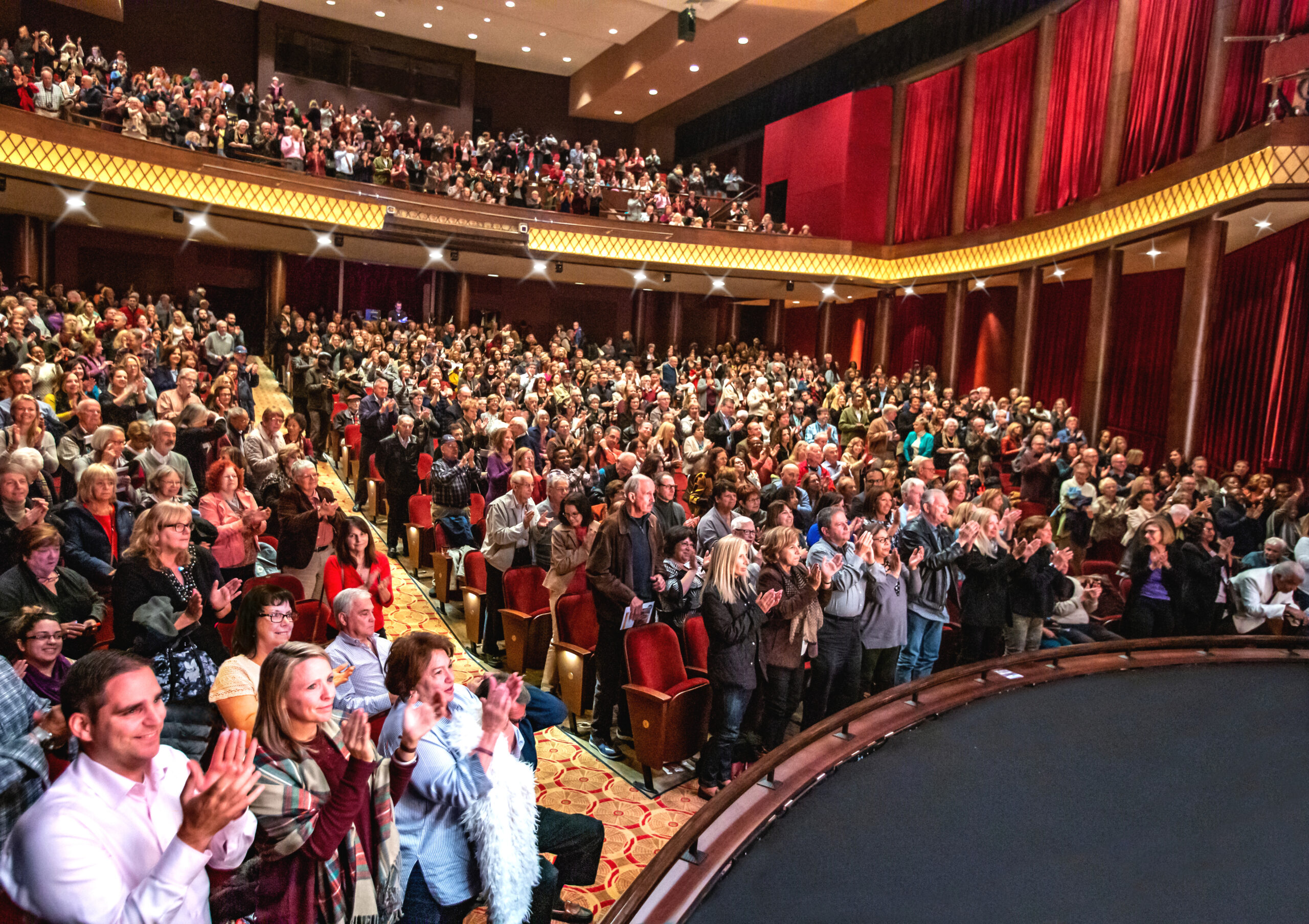
In 2007, Paper Mill was forced to launch a “Save the Theater” campaign to fund its 2006–07 season. Fans donated $1 million in four weeks! In June 2008, Millburn Twp. voted to purchase the playhouse’s four-acre site and buildings. Soon afterwards, the Paper Mill became the first theater in the country to offer sensory-friendly performances for theatergoers with developmental disabilities.
For a lineup of performances, visit papermill.org.
What Else is Nearby: Stroll downtown Millburn, where you can make a dinner reservation at La Pergola, which is a short walk from the theater. Be sure check out the The Book House, a beloved independent book store in town. The Mall at Short Hills is a 10-minute drive and home to luxury shops and Eataly, a hot spot for its authentic Italian menu and market.
Scottish Rite Auditorium
315 White Horse Pike, Collingswood
Through the years, the grand estate now home to the Scottish Rite has had its share of names. Among them are the Excelsior Scottish Rite Temple, the Samuel French House, the White Mansion, Dungarvan, and Hurley Mansion.
Many influential people have lived in the mansion: Samuel French of Smith Kline and French Co. was followed by Edward Collings Knight, Sr., inventor of the Pullman sleeping car for railroads, and a descendant of the Collings family for whom the borough and Knight Park are named. Dr. William Albert Davis, of Cooper Hospital in Camden and a 32nd Degree Mason, operated a maternity hospital in the White Mansion. And in 1909, William Hurley, a successful furniture magnate, purchased the estate and named it after his birthplace of Dungarvan in County Waterford, Ireland.
In 1930, the Excelsior Scottish Rite bought the property from the estate of William Hurley. By 2003, the Borough of Collingswood entered a 50-year lease agreement for the building, which is still owned by the Scottish Rite Freemasons.
The Scottish Rite is one of the largest auditoriums in South Jersey, located in two buildings on 8 acres. The biggest building is a five-story structure that houses the Collingswood Grand Ballroom and the 1,050-seat Scottish Rite Auditorium. The property was voted one of the 150 Best Buildings and Places by the American Institute of Architects in the 2011 AIA New Jersey Guidebook. And the Collingswood Grand Ballroom has been recognized as one of the top venues for weddings or corporate events.
Today, you can see more than 20 concerts per year inside the Scottish Rite Auditorium, as well as two to three productions per year by the Collingswood Community Theatre.
For a lineup of performances, visit scottishriteauditorium.com.
What Else is Nearby: Check out the fine art galleries, boutiques, high-end consignment shops and antique galleries along Haddon Avenue. For dinner, Michael Coastal Italian Grille (formerly Nunzio by Chef Michael DeLone) will make you feel like you’re in Tuscany. A short drive away, Bobby Chez is beloved for its lump crab cakes.
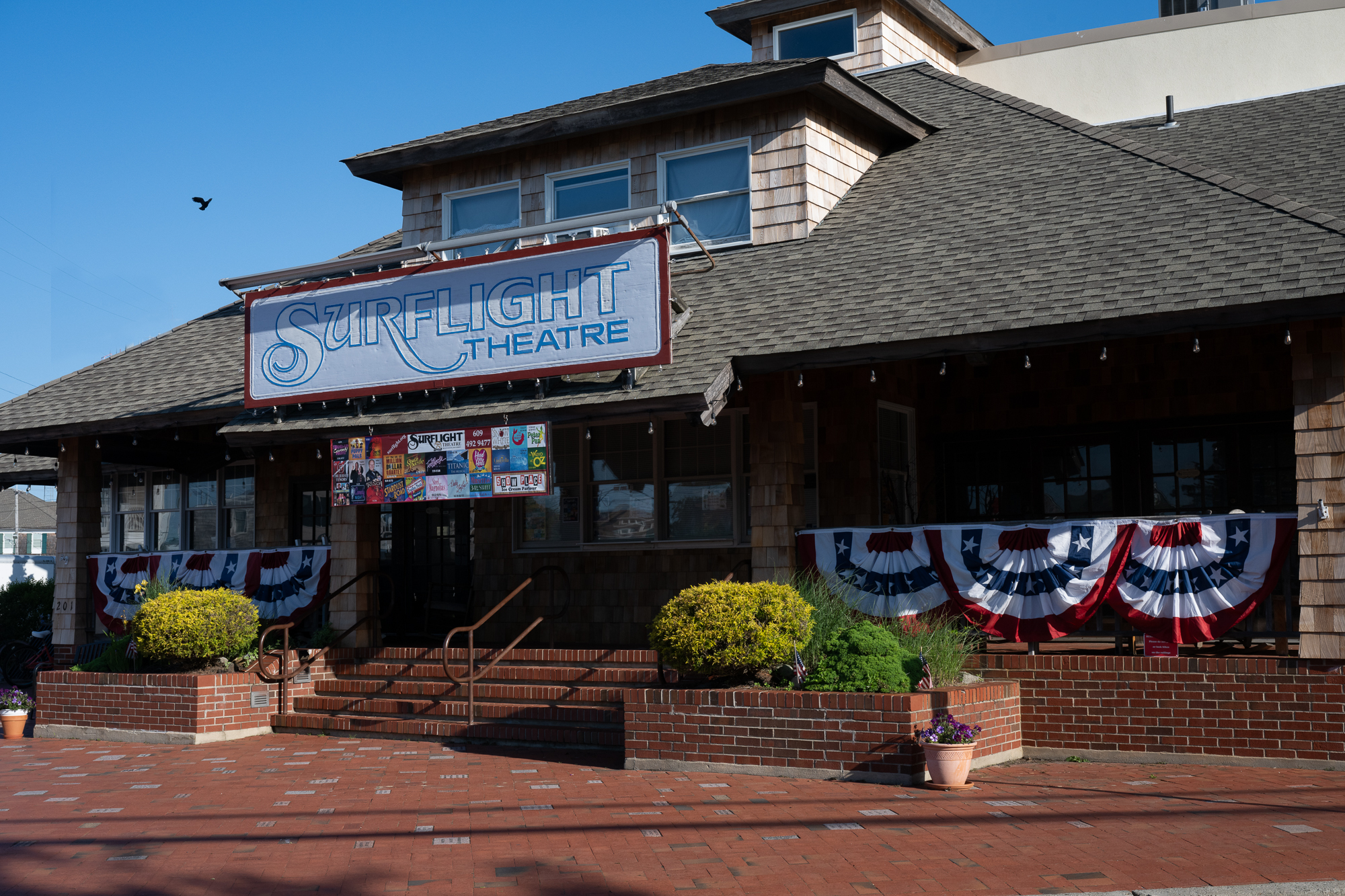
Surflight Theatre
201 Engleside Ave., Beach Haven (Long Beach Island)
The Surflight Theatre’s modest roots began inside a shaky 2,200-seat tent in 1950. Sixty cast members, plus a 12-piece orchestra, performed for just three weeks. The following year, interest grew, and the theater’s season extended to nine weeks. Performances were moved into an old meat market in 1952, the inside of a garage next to a bowling alley in 1953, and a former mechanic’s garage in 1954.
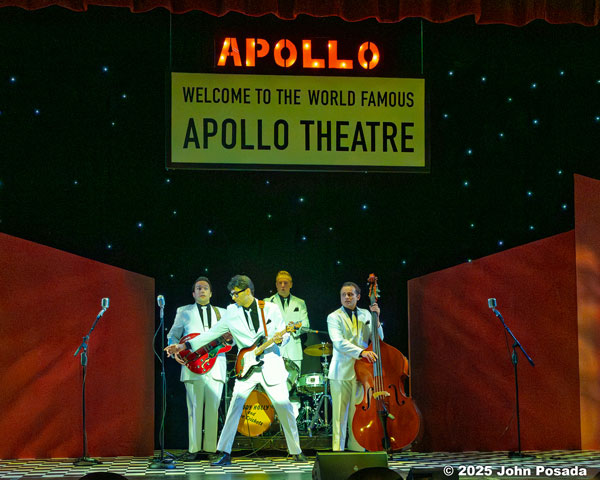
In 1956, Joe “Boffo the Clown” Hayes created the Children’s Theatre Series. Hayes’s friend Eleanor C. Miller, a local teacher, became the company manager in 1961. Six years later, Hayes bought the old garage that was Surflight’s home for 13 seasons, and made it a permanent home for the theater. The Show Place Ice Cream Parlour opened next door in 1975.
The New Surflight Theatre was built in 1987, while the original Show Place became a space for set construction and costume shops.
In 1991, the Surflight Children’s Theatre expanded to four performances a week and welcomed Our Gang Players from the Barnegat Light Firehouse to Surflight for its winter production.
Taking the show on the road, the Surflight To-Go touring educational theater troupe was founded in 2004.
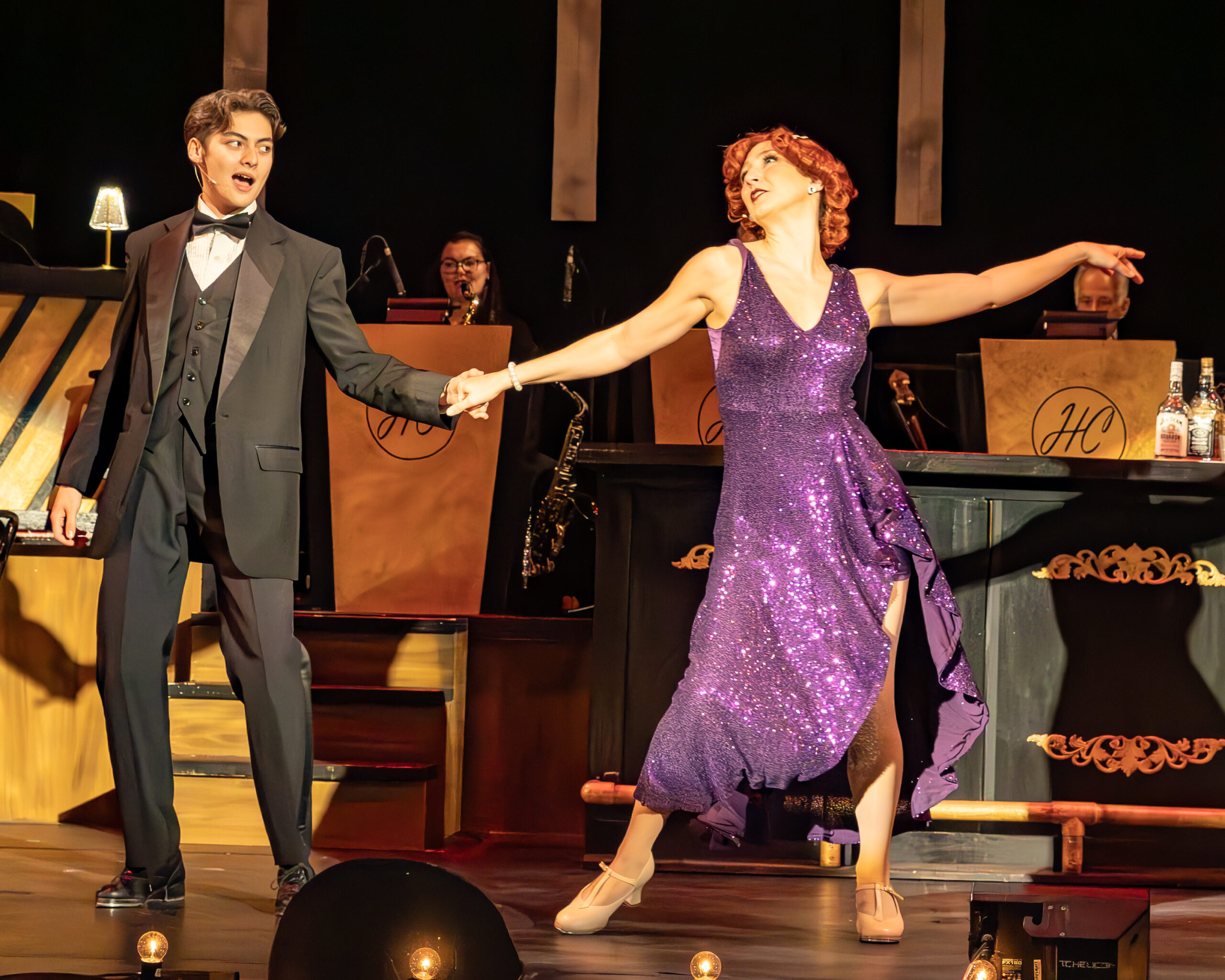
Over the years, the theater weathered its share of storms, literally. After being flooded by Superstorm Sandy and damaged from a fire at a nearby restaurant, the Surflight opened again for the 2013 summer season.
Hard times struck again just a year later, when the theater filed for bankruptcy in 2014 and closed. In June 2017 it reopened under Al Parinello, who leased the complex to Ocean Professional Theatre Company, which also reopened the beloved Show Place Ice Cream Parlour. The Comedy Series and Concert Series returned in 2018, as did the Summer Children’s Theatre musicals, education programs for kids, and apprentice programs for high schoolers.
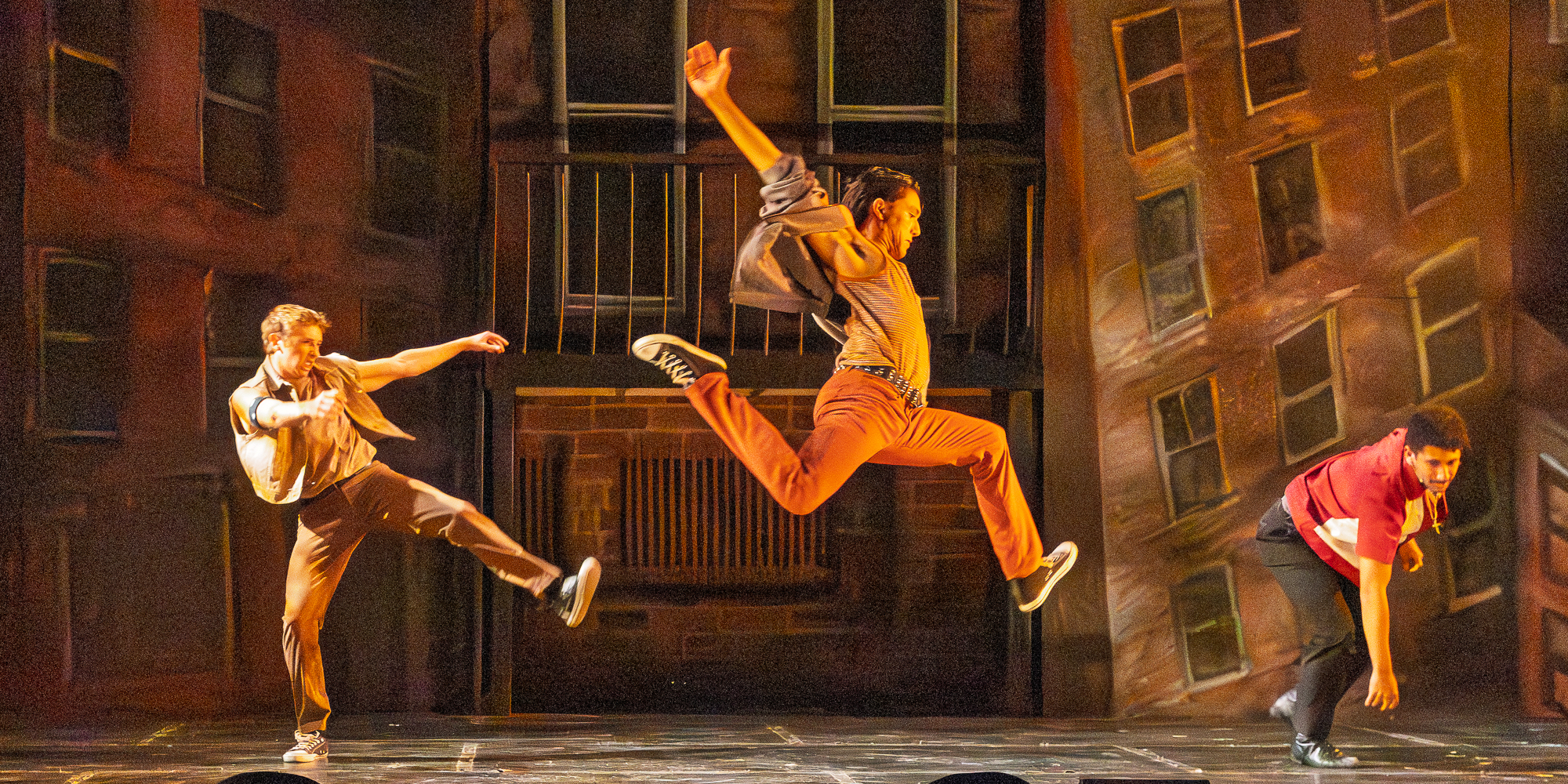
In 2020, after another hurricane, Cabaret in July opened under The Big Top in a park across the street, and by late fall, the theater moved back to its indoor home.
For a lineup of performances, visit surflight.org.
What Else is Nearby: Check out Bay Village’s quaint shops and eateries. The Chicken or The Egg and Uncle Will’s Pancake House are go-to spots for breakfast and lunch. Try a bread bowl filled with “chowda” at Country Kettle Chowda, then have something sweet from Country Kettle Fudge Shop next door.
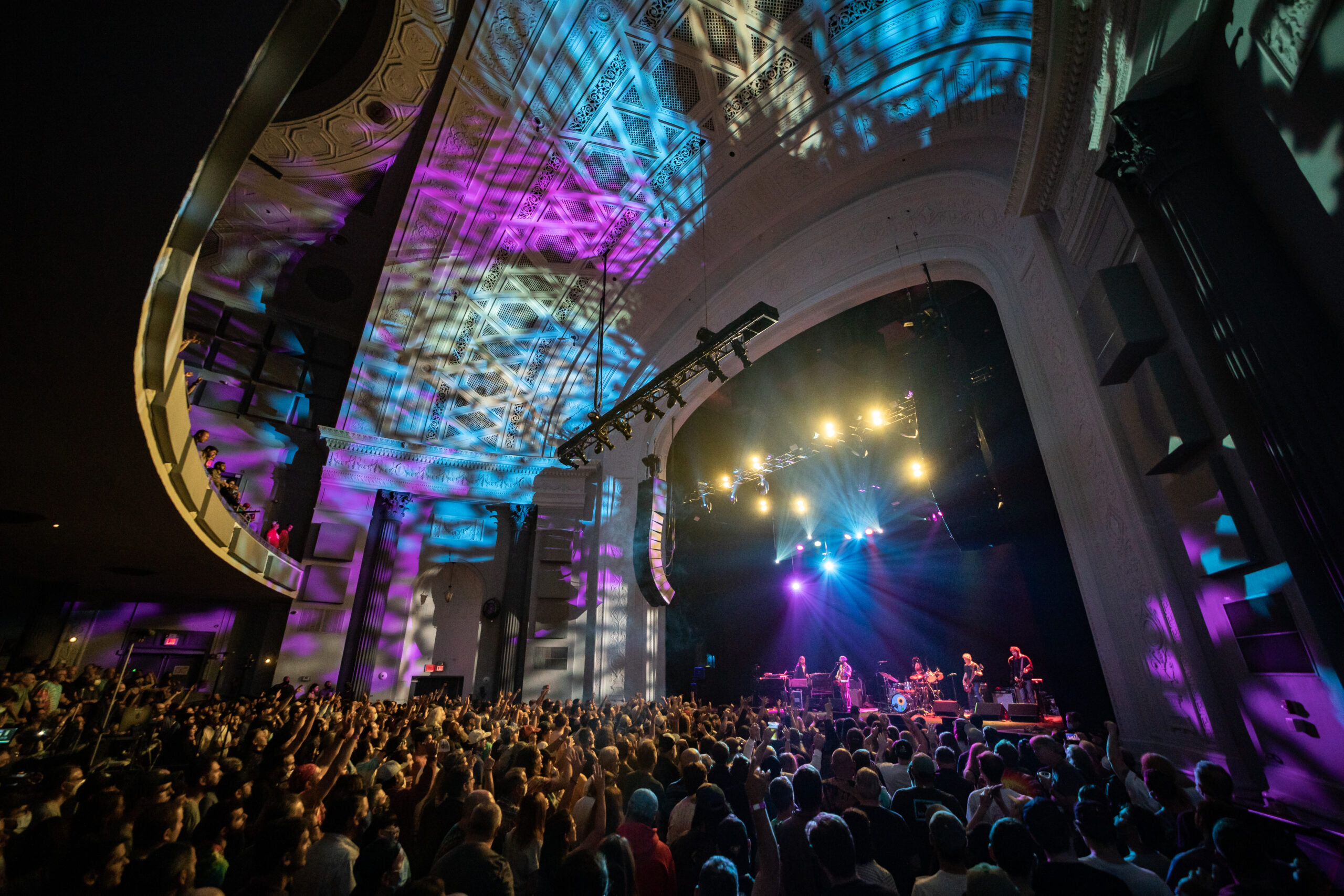
Wellmont Theater
5 Seymour St., Montclair
In March 1921, theater manager H.H. Wellenbrink had a vision to create a grand new showplace and office. So, he purchased a small parcel of land at Bloomfield Avenue and Seymour Street, combined his last name with Montclair, and The Wellmont was born.
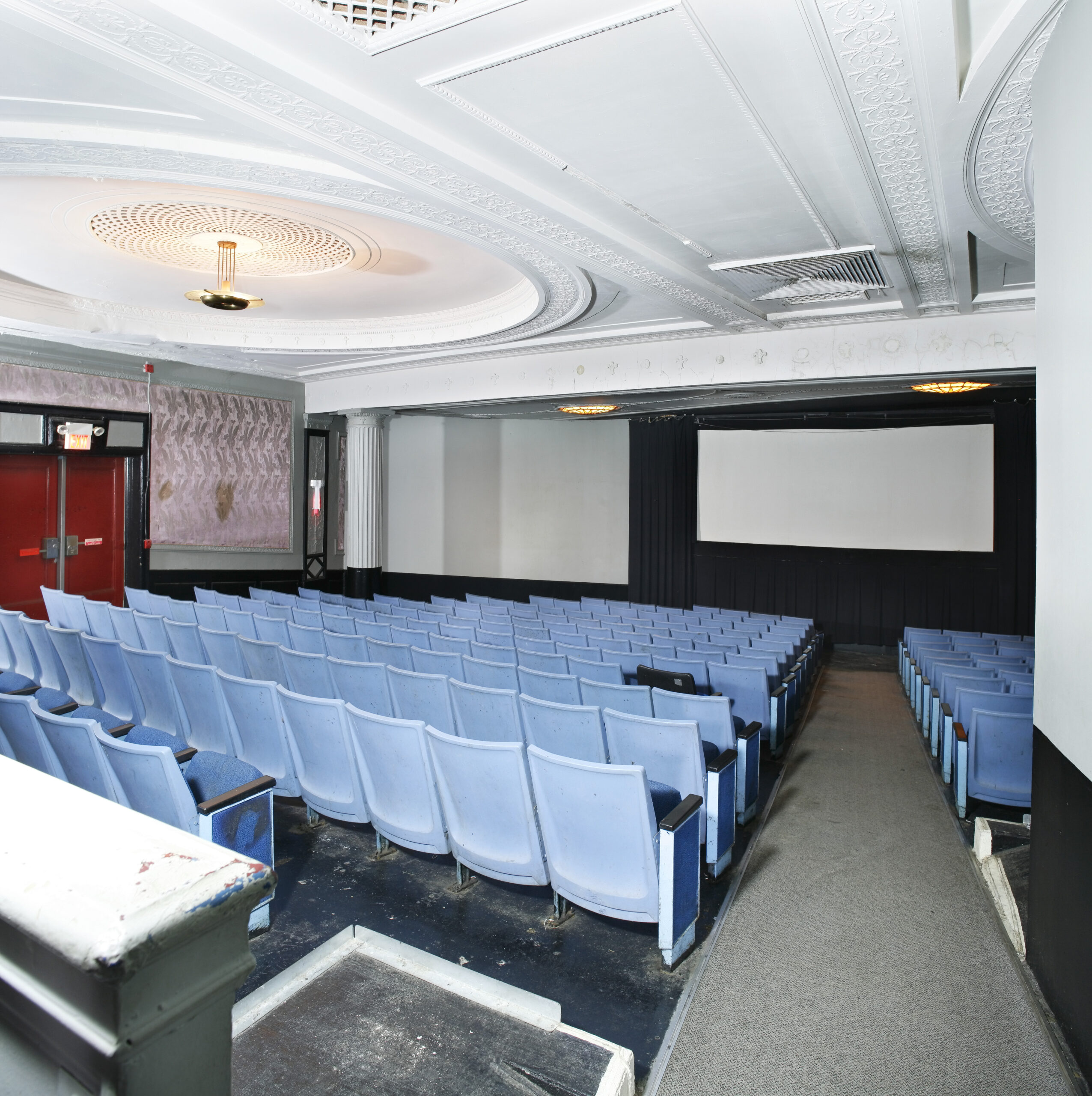
The following year, a fireproof theater opened as a venue for vaudeville, stage plays and movies. A popular pianist who played the theater’s Wurlitzer pipe organ accompanied the shows.
Legendary performers like Charlie Chaplin took the stage, while icons like Thomas Edison were in the audience. After silent movies transitioned into “talkies,” The Wellmont added sound equipment when the Stanley Fabian theater chain took over in 1929.
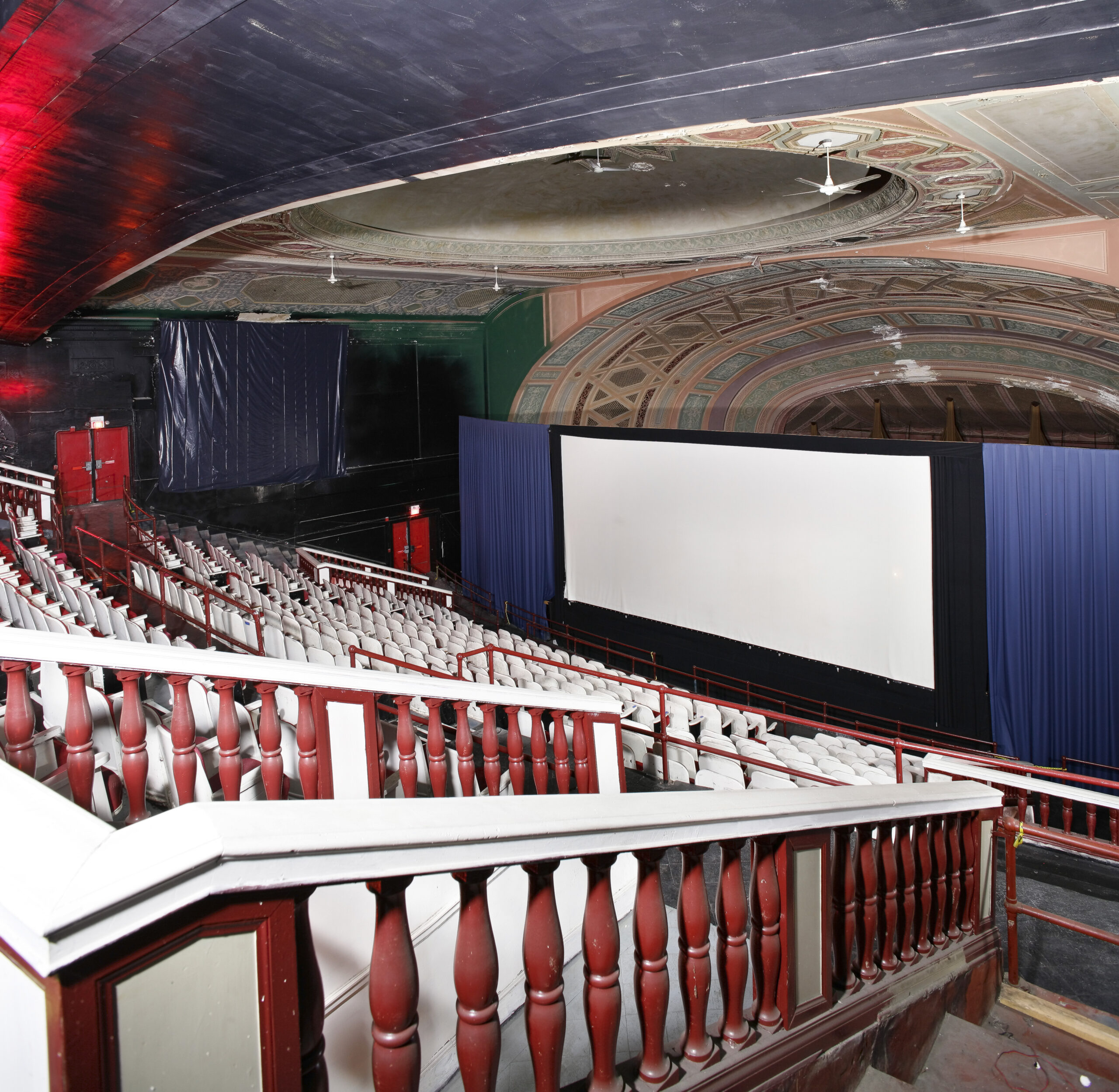
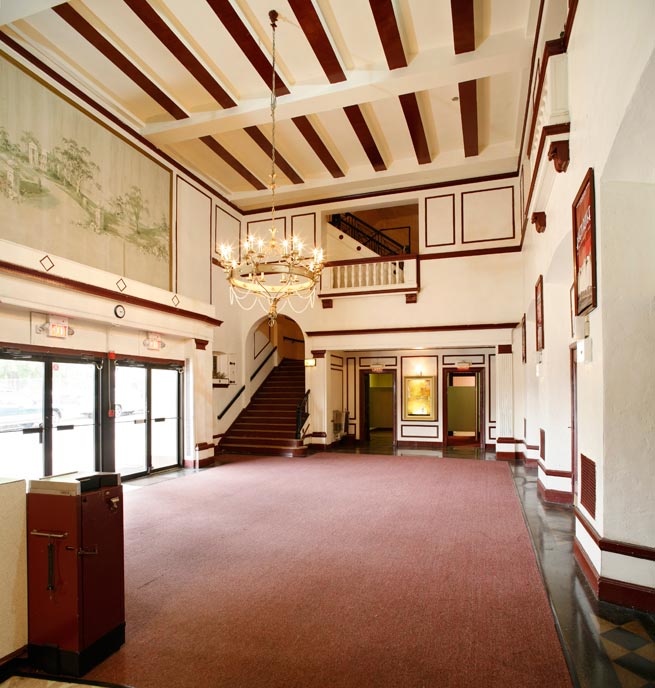
By the early 1980s, the Roberts Theater chain transformed the Wellmont from a single room to a triplex, and began showing independent films. The main entrance moved from Bloomfield Avenue to Seymour Street, and the original lobby was converted into a diner.
In 2006, the theater was sold to new owners who had a vision to restore the Wellmont to its original 1922 single-stage setup. After undergoing a series of renovations, it became the area’s largest live concert venue when it reopened in 2008 with a performance by Hanson.
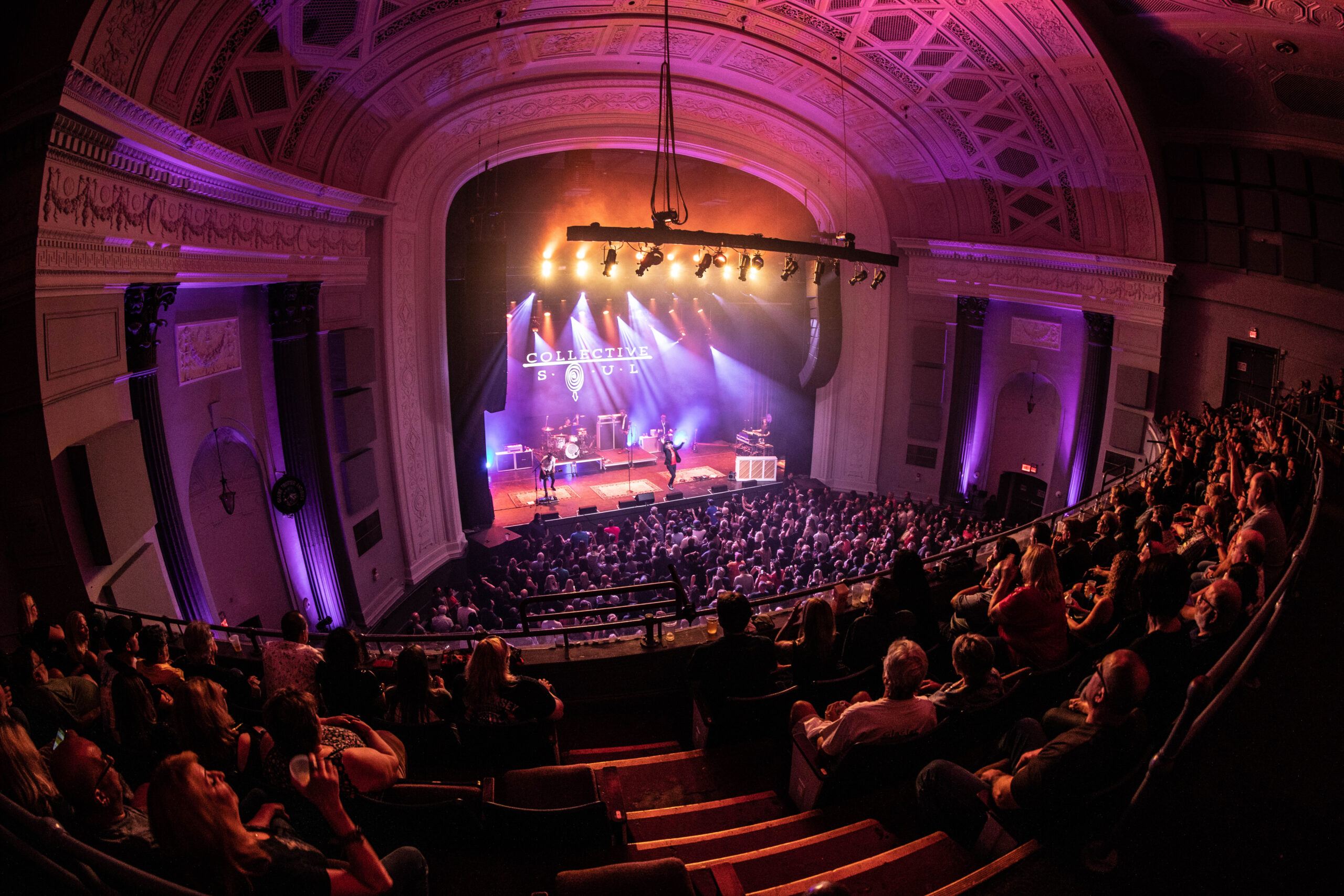
Another change in ownership and more renovations in 2013, plus a takeover of bookings and promotions by Live Nation, brought more current acts to the venue. The Wellmont reopened its doors in September 2015, and has hosted many big-name performers since, including Tom Jones, Miss Lauryn Hill, Joan Baez, Bush, DNCE, Third Eye Blind, Jim Gaffigan, and Meat Loaf.
For a lineup of performances, visit wellmonttheater.com.
What Else is Nearby: Montclair has one of New Jersey’s most dynamic downtowns, with eateries like the Japanese hotspot MM by Morimoto, and the Italian-Japanese fusion Pasta Ramen.
Get the latest on the best things to do with your family in and around New Jersey by signing up for our newsletter and following us on Facebook and Instagram!
Read More:
Best NJ Performing Arts Programs
Why We Loved Experiencing an Autism-Friendly Broadway Show

