

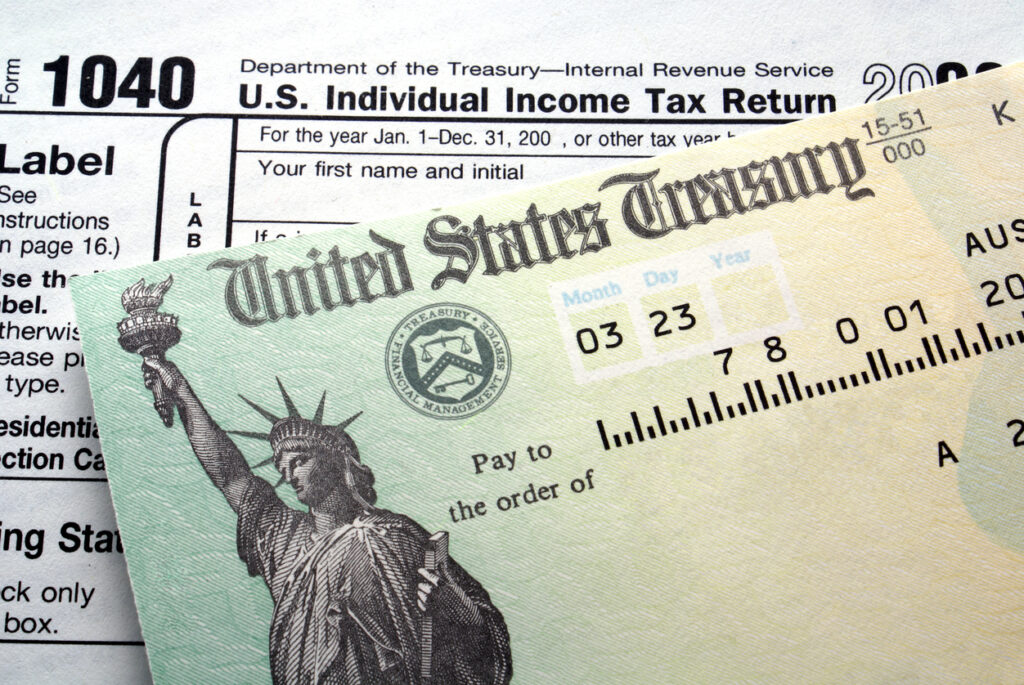
Filing taxes is often considered a daunting task for those who owe money to the IRS, but for anyone expecting a refund, tax season can actually feel delightful. This is especially true this year as the average refund is 14% higher than last year at an average of $3,800, according to the IRS filing report.
As household budgets become increasingly strained due to rising consumer prices, knowing how to use this money wisely is essential to boosting your finances, reducing stress and giving you some peace of mind for the future.
If you’re expected a refund (or received one) and not sure what to do with it, follow this step-by-step guide:
ESTABLISH A HEALTHY EMERGENCY FUND
While saving your refund for a rainy day is not an exciting way to use it, it’s the most savvy step you can take to protect your finances especially during these uncertain times.
25% of Americans have no emergency savings at all and this can lead to debt when unexpected expenses and emergencies arise. Even if you don’t put all of your refund to savings, putting some of it away can give you a little cushion during tough times. Better yet, open a high yield savings account so those saved refund dollars earn more interest for you. For example, like Bread Savings offers 4% annual percentage yield and only requires $100 to open an account with interest compounded daily, helping grow your balance each month effortlessly.
REDUCE HIGH INTEREST DEBT
The average U.S. household is carrying $6,500 on their credit cards. With interest rates hovering over 20%, consumers may be struggling to pay down balances as fees pile up each month. Putting a chunk of cash towards this debt will lower your balance and reduce these useless monthly charges. However, your refund may not cover the full balance, but you can still avoid paying high interest fees by transferring the rest of the balance to a balance transfer card. Compare balance transfer cards at sites like CardRates.com to find an option with the longest no-interest term and smallest balance transfer fee, which can ensure interest doesn’t continue piling up on the remaining debt.
MAKE NECESSARY PURCHASES WISELY
According to data from a Bank of American survey, roughly 1 in 10 taxpayers say they will use their refund to cover a major purchase. While spending your refund on a frivolous purchase is unadvisable, using that money to make a necessary purchase you’ve been putting off due to the high costs such as a replacing a broken appliance or old mattress is justifiable.
However, you can get more bang for your refund bucks by shopping wisely. Make sure you compare prices, apply coupons, sign up for loyalty programs and look at used or certified refurbished options through sites like Amazon Renewed or Best Buy to save up to 60% on pricey appliances and electronics. Plus, you can earn rewards by using savings tools like Fetch Shop to earn points for online purchases, like 5 points for every $1 at Best Buy, which are redeemable for gift cards to a variety of stores like Amazon and Target to offset future shopping needs.
INVEST IN THE FUTURE
As long as you have an adequate emergency fund and have paid down high interest debt, your tax refund can be used to boost your retirement funds. Add the extra income to your 401k or Roth IRA. If you happened to max out contributions to these investment accounts, there are several other investment options available — you can open a brokerage account via Vanguard or Charles Schwab and put your refund towards low-cost index funds or ETFs. Otherwise, look for stocks that pay dividends. If choosing investments overwhelms you, try a robo-investing app like Acrons which will recommend a portfolio based on an assessment of your financial goals and risk tolerance. From there, you can set your contributions on autopilot even if it’s at a minimal amount each month.
Other ideas include putting the refund towards your child’s education by funding a 529 college savings plan.
CREATE SAFETY NETS FOR YOUR FAMILY
Using just a portion of your refund to buy life insurance can go a long way in protecting your family and creating a necessary financial safety net. While no one wants to think about the worst case scenario, this can bring you peace of mind that your family will be taken care of no matter the circumstances life throws your way.
Life insurance costs are highly depending on your age, health and policy type such as whole or term. Term life insurance is usually adequate for most individuals and paying the annual fee upfront can offer a discount. According to NerdWallet’s life insurance rate sheet, a 30-year old male will spend around $215 for annual term life insurance coverage, which jumps to $330 for a 40-year. To determine figure out an adequate amount of coverage, aim for 5 to 10 times your annual salary.
Setting up a Will is another important item you can tackle online in a few minutes and with just a small portion of your refund via sites like Trust and Will or Legal Zoom.
Andrea Woroch is a consumer savings expert. She has been featured as a media expert source on The Today Show, NBC Nightly News, FOX & Friends, ABC News NOW, MSNBC, Kiplinger Personal Finance, Smart Money and many more.
Get the latest on the best things to do with your family in and around New Jersey by signing up for our newsletter and following us on Facebook and Instagram!
Read More:
5 Tips to Clean Up Your Credit Score

 and not sure what to do with it, follow this step-by-step guide.)