

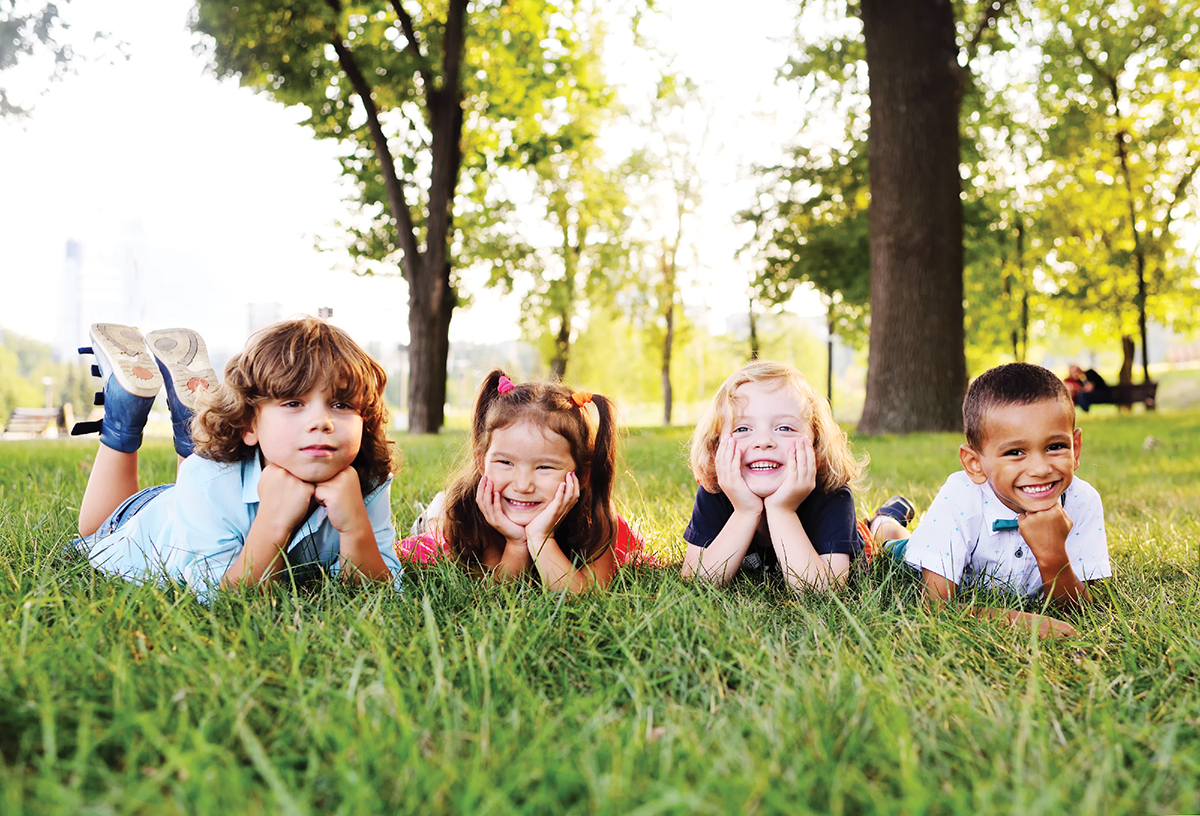
Preschool camp has many benefits for your little one: they continue to learn over the summer, develop friendships, foster independence, and find confidence. Through small-group play and daily routines, kids develop habits that stick with them long after summer ends. We asked early childhood education experts about how a summer spent at preschool camp can strengthen your little one’s social skills.
ENCOURAGING INDEPENDENCE
Without Mom or Dad nearby, a preschool camper has to make their own decisions. They can often choose their meals and snacks, decide what materials to use in art class, figure out where to go on the playground, and dress themselves (i.e. putting on their shoes or jacket and carrying their own water play towel).
“By offering meaningful choices throughout the day, children learn to listen to themselves, feel capable, and develop confidence in their decision-making, all while knowing supportive adults are right beside them,” says Laura Hubschman-Scuderi, M.Ed, executive director of Palisades Country Day School & Camp, a family-run, early childhood camp in Closter that enrolls toddlers as young as 21 months. “Counselors also encourage children to make choices about the order they complete tasks, which friends they’d like to work with, or whether they’d like to observe first and join in later. … Children are guided with support, but we intentionally step back when appropriate so they can try on their own.”
They’re also expected to transition from one activity to another. Counselors use songs, games, call-and-response, movements like hopping or jumping, and even stretches to make things more fun
“To help young campers manage transitions, staff create warm, predictable routines that make changes feel safe and manageable,” says Alanna Steinberg, director of Camp Ruach at the Shimon and Sara Birnbaum Jewish Community Center in Bridgewater. “By keeping things consistent, supportive and engaging, children feel secure, confident, and ready to move from one activity to the next with ease and a smile.”
And when kids feel successful, they’re happy. Staffers often celebrate wins, big and small, so kids build their confidence. That could mean a high-five or a hug, a celebration with their parents, or giving kids a tangible reward.
“These experiences allow campers to feel proud of themselves, see their progress, and know that their effort is valued,” Hubschman-Scuderi says.
BREAKING BOUNDARIES
Of course, not every child is an extrovert. Some need encouragement before they feel ready to break into a group. Counselors often will smile, sit down at their level, speak quietly and offer comforting words to make them feel more at home.
“Counselors support children who are shy or new to group settings by first helping them feel comfortable and seen. They take the time to personally connect with each child, getting to know their interests, personality, and what helps them feel safe,” says Hubschman-Scuderi.
She says that staff can introduce a shy child to another camper or small group with similar interests to help them adjust.
“By building this one-on-one relationship, counselors can thoughtfully redirect children who may be unsure of what to do and intentionally create opportunities for connection,” she says.
NAVIGATING CONFLICT
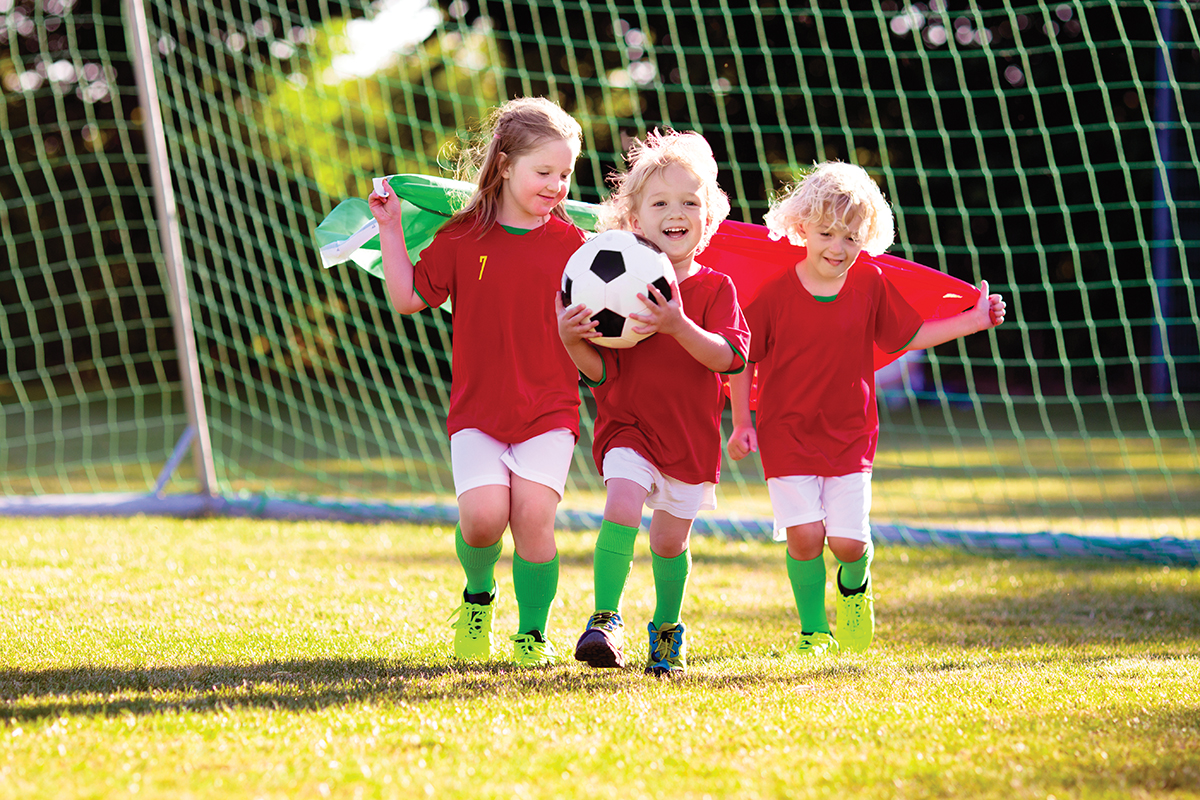
One of the biggest benefits of preschool camp is how it encourages cooperative play, sharing, turn-taking, and teamwork—but sometimes, kids just don’t get along. There are ways staff teach preschoolers how to navigate disagreements that don’t call for a timeout. That means using their words, roleplaying, reading relevant stories or asking them to share.
It also means supporting kids when they need a break, and teaching them how to respond when they feel overwhelmed, either physically or emotionally.
“Staff have been trained to help children understand their feelings and name them. They will discuss alternatives like taking turns or using terms like ‘we only use gentle hands’ and offer clear choices so children can participate in resolving the situation in a way that makes sense to them. Often, staff will divert children and show them other activities to change the climate around them. By responding patiently, consistently, and truly listening, staff help children feel their feelings are valued and understood while helping them to learn early problem-solving, empathy, and self-regulation skills,” says Adena Feinstein, director of the Blaustein Early Childhood Center, where Camp Ruach takes place.
BUILDING LASTING HABITS
Camp is not just a fun summertime activity for the kids that gives you a break— it helps transition them into the new school year, too. They learn to be part of a group, be away from their families, trust new adults, and rely on others. They also become comfortable with routines, schedules and transitions.
“They learn how to move from activity to activity, follow group expectations, and manage change in a playful, supportive environment. This familiarity makes the routines of the school day feel natural rather than new,” says Hubschman-Scuderi. “Socially, the gains are enormous. Campers build friendships, learn to communicate with peers, share, take turns, and solve conflicts with guidance. Many children begin school already feeling comfortable among peers and confident in group settings.”
It’s also about your child developing lifelong, successful habits that will help them at home, at school, and in any public environment. A camp program can help your kid grow as an individual, develop relationships, and feel connected to a community.
“Without fail, families always reflect on the immense growth and independence they notice in their campers at the end of a summer season,” Steinberg says. “They comment on their ability to dress themselves, growth in maturity, self-articulation, and more. In addition, the added benefit of remaining in an environment complete with structure and routine helps them have a seamless transition between the school and summer months.”

