


Summer camp is a big deal—for kids and for parents. There’s the excitement, the nerves, and the inevitable “Did we forget something?” moment. A little planning goes a long way since both sleepaway and day camps have specific requirements and rules, like what kids should bring, so make sure you read through them ahead of time.
Camp counselors and staff are trained to keep children safe, but be sure to remind your kids about your family’s safety rules too, along with these tips from the American Academy of Pediatrics, the American Academy of Dermatology, and the American Ophthalmologic Association:
Schedule checkups before camp. Many day and sleepaway camps require health forms filled out by your child’s pediatrician. You’ll need to submit these before drop-off day, so get on your pediatrician’s schedule ASAP. Make sure kids are up-to-date with immunizations, too. If your child wears braces, check in with the orthodontist to confirm they have extra supplies and are current on adjustments before camp starts.

Get them prepped with the right gear. Most sleepaway camps have a packing list on their website, so check to see what’s required. The list will include basics like bath and beach towels, a sleeping bag, a pillow, a laundry bag, a flashlight, and optional things you’ll want to buy in advance. Label everything with your child’s name with sew-in or iron-on labels or permanent marker.
Pack closed-toe shoes. Many camps only allow flip-flops or water-type clogs, such as Crocs, for use by the pool or in the shower. But they require athletic shoes and socks for most other activities to protect toes. Make sure kids break in new shoes before camp to avoid blisters or pinching.
Send a sturdy water bottle. Many camps ask you to send a reusable water bottle to keep kids hydrated in the heat. Let your child help choose one they’ll actually want to use—insulated stainless-steel bottles are great for keeping water cold longer—and don’t forget to label it with their name.
Know the rules about electronic devices. Many camps don’t permit cell phones, tablet devices or game systems. The whole point is to help kids enjoy nature, make new friends, and disconnect from technology, so don’t send these items—no matter how much your kid begs—if they’re against camp rules.
Protect kids from the sun. Teach kids to wear sunscreen every day, rain or shine. Look for SPF-30 products that contain zinc oxide and titanium dioxide, and don’t forget lip balm with SPF as well. Teach kids to apply sunscreen everywhere, especially forgotten places such as the tops of the ears. Sun-protective clothing, such as long-sleeved swimshirts, are another option. Don’t forget sun hats and sunglasses.
Pack plenty of bug spray. Bugs of all sorts are a part of camp life. Make sure kids are protected with EPA-approved insect repellents that contain DEET, picaridin, IR3535 or plant-derived ingredients such as oil of lemon eucalyptus or 2-undecanone. Use permethrin products to pre-treat clothing, shoes, socks, hats and camping gear to keep ticks away. Avoid the use of combination sunscreen/bug spray because sunscreen needs to be reapplied every two hours while bug spray should not be used that frequently.
Teach kids to do a nightly tick check. Even with careful application of bug spray, your kid can miss a spot. While diseases such as Lyme were down in New Jersey in 2025, other tickborne illnesses such as babesiosis and anaplasmosis increased slightly. Show kids how to inspect themselves every day, especially behind the ears, on the scalp and under waistbands. If they find a tick attached, instruct them to ask a camp counselor or camp nurse to remove it.
Remind kids about your family’s safety rules. Of course, you won’t be there to supervise, so you’ve got to teach kids that it’s a family rule to wear protective gear for all activities, such as helmets for riding bikes or horses, eye protection for activities such as baseball or softball, and life jackets for boating and other water activities.
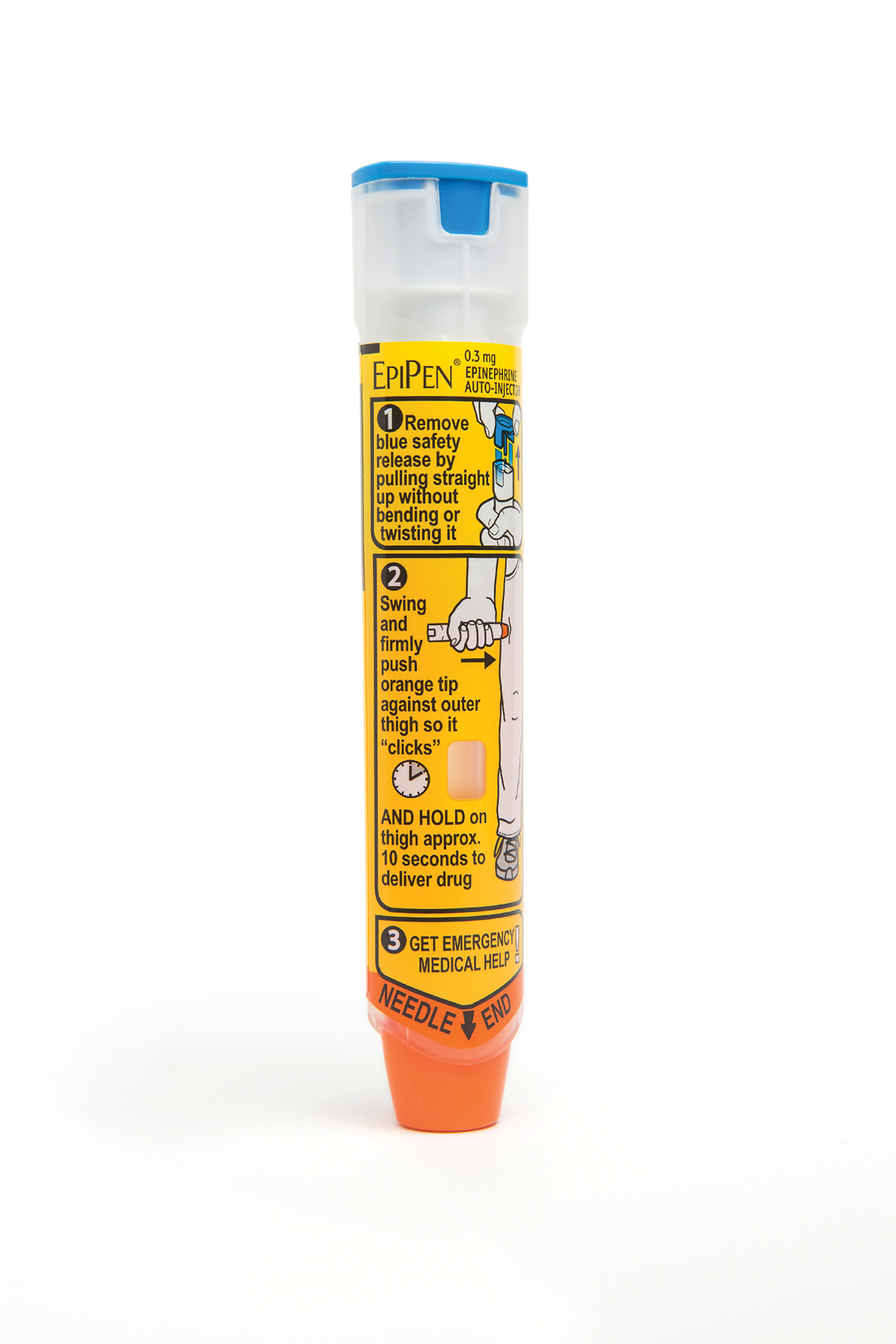
Connect with the camp’s healthcare providers. If your child has special medical needs or requires prescription medication, talk to the camp nurse ahead of time. Ask where medications will be stored and how they will be given. For example, can older kids use an asthma inhaler on their own? Also, inform everyone if your child has allergies to peanuts or insect stings, and send two EpiPens because one often isn’t enough.
Encourage kids to speak up for themselves. Talk to your kids about telling the nurse or counselor if they’re not feeling well. In a new setting, some children are shy and may be hesitant to say anything. But reassure kids that they should tell someone if they’re injured, if their stomach hurts or if they’ve found a tick attached.
Keep the camp informed. Make sure anyone who is authorized to pick up your child is listed on camp intake forms. Most camps check IDs, and the pickup person should be on the list to save everyone time and frustration.
—Arricca Elin SanSone is a New York-based health and lifestyle writer.
Get the latest on the best things to do with your family in and around New Jersey by signing up for our newsletter and following us on Facebook and Instagram!
Read More:
What You Need to Know About Finding a Summer Camp For Your Kid

