


New Jersey Family is proud to be partnering with Let’s Talk Women’s Health & Wellness, a nonprofit founded by two-time breast cancer survivor and health advocate Deborah Q. Belfatto. Now in its fourth year, Let’s Talk Women’s Health & Wellness’ annual symposium held at NJPAC in Newark brings together nearly 1,000 women for a day focused on preventive care, physical and mental wellness, community and more.
This is the first in a series of interviews designed to highlight the importance of prioritizing self-care no matter how busy we are juggling parenting, work, caring for aging parents and a never-ending to-do list. Suzanne Spernal, DNP, Senior Vice President of Women’s Services for RWJBarnabas Health, understands the barriers that often get in the way of keeping up with our most important healthcare appointments. Spernal’s focus at RWJBarnabas Health, a leading sponsor of Let’s Talk Women’s Health & Wellness for the past four years, is to improve healthcare outcomes for women and to make care more accessible.

One of the most important messages she advocates for is that self-care is not selfish. “If we don’t put our oxygen mask on first, we can’t care for and take care of all the people that are relying on us right now,” Spernal told New Jersey Family. “So we need to make sure that we make ourselves the first priority because if we’re not our own first priority, we can’t prioritize the well-being of all of the people that are dependent or rely on us. And that includes our partners, our children and our jobs.”
We asked Spernal to share her thoughts on the micro steps we can take in our lives to prioritize our health and wellness. Here’s what she shared:
Start Small: Schedule One Preventive Appointment This Week
We often tell ourselves we’ll “get to” making those necessary appointments when life slows down. “I don’t know that there’s ever a point in time where the only priority is taking care of ourselves,” Spernal said.
Because there are often multiple appointments needed to get to a result, it can feel overwhelming to try and make progress. The goal, though, is to keep making those appointments no matter how busy life gets. Schedule physicals and check-ups months in advance. Put reminders in your phone. Block time like you would for a work meeting or school commitment.
If you’re staring at a long to-do list that includes medical appointments and feeling paralyzed, remember that the mission is not to do it all at once, but to take one small step.
After Spernal’s own primary care appointment, when everything checked out fine, she left with a lengthy list of screenings and follow-ups to schedule before her next annual visit. Looking at the list, she recalls asking her doctor to pick two things on the list to start with.
Her advice isn’t about lowering standards, but about making progress realistic. Start by choosing one appointment, whether it’s your annual physical, a mammogram or blood work. Schedule it, follow through with it and build from there.
For guidance on women’s health screening through the decades, download the RWJBarnabas Health Women’s Screening Cards
Advocate for Efficiency and Coordinated Care
Navigating healthcare can be challenging and something as straightforward as preventive care can require several separate appointments to reach a diagnosis. Too often, the process is fragmented and time-consuming. “Instead of making healthcare fit the lives that women lead, we’re trying to force women into a healthcare model that no longer works,” she said.
But there are ways to make it more manageable. When booking appointments, ask what can be bundled together. For example, if you know you always need an ultrasound after your mammogram, ask if both can be done on the same day rather than scheduling two separate visits. In some cases, virtual follow-ups may be an option, so it’s worth asking if a telehealth visit is available.
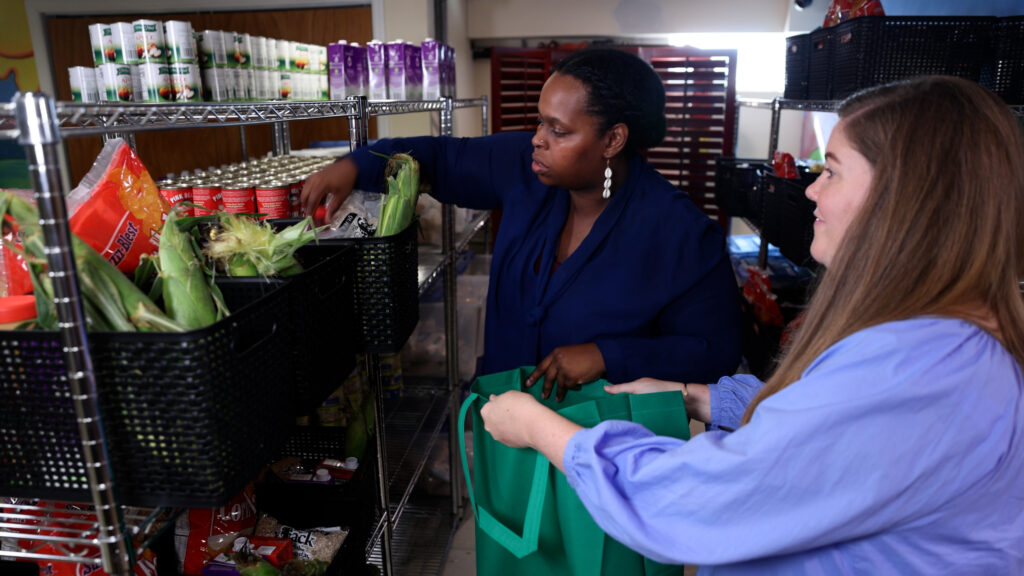
Build Health Habits Early: Model Prevention for Your Kids
Our kids learn how to prioritize health by watching us. That’s why it’s so important for parents to normalize getting regular checkups and taking preventive care seriously.
“If we’re not starting upstream and teaching really good health habits during adolescence and young adulthood, then we’re missing opportunities for women to enter pregnancy in their best possible health,” Spernal said.
Talk to your teens about the importance of physical and mental health. Help them understand that decisions around sleep, substance use and stress can affect them years later.
Spernal feels especially strongly about connecting with teens before they go to college. Reaching girls in high school, especially as they prepare to head off to college and gain more independence, is critical. That’s often when they begin making choices on their own about habits and behaviors that affect not just their immediate well-being, but their long-term health, too. “Think about some choices you made when you were younger… would you still make it knowing that… it put you more at risk for something in your 40s?”
Spernals’s message to young people is that prevention is just as crucial as addressing acute situations. “And I would say it’s probably even more important because we can make those acute situations less critical if we’re staying on top of our health.”
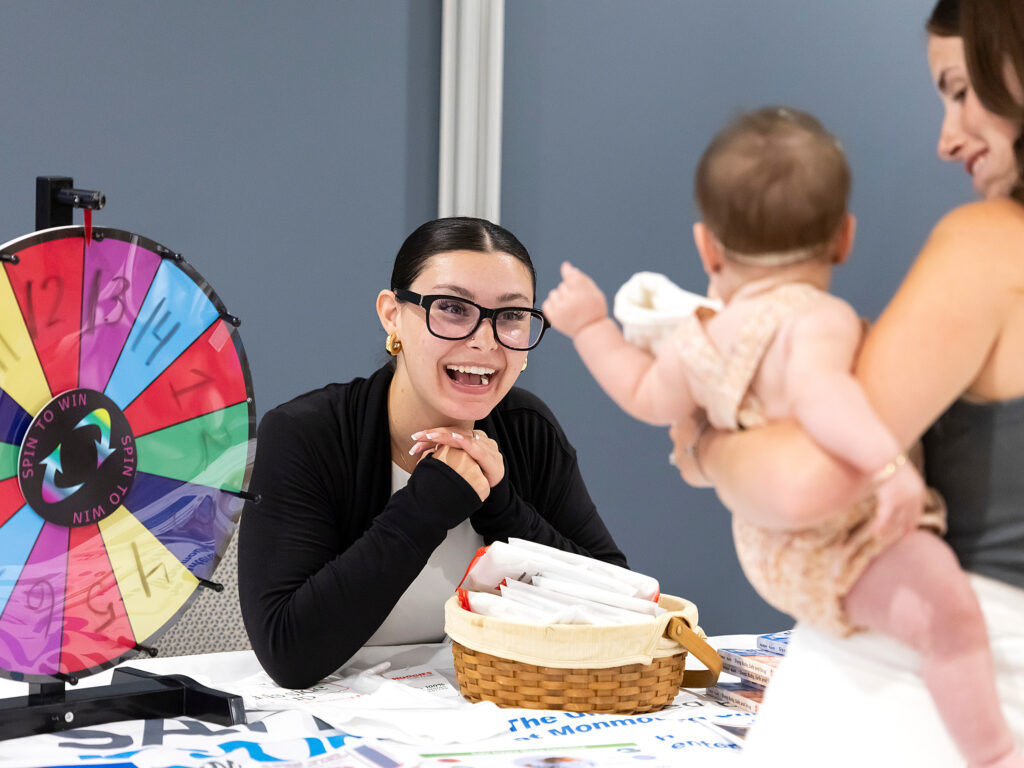
Find Your Health Community
One of the most powerful tools in navigating health challenges is connection, Spernal said. “One of the biggest things that helps women navigate health challenges is being part of a supportive community,” she said.
Group-based programs around pregnancy, chronic conditions and more can be a huge source of support. For example, a group that brings together women at similar stages of pregnancy for education and conversation can turn into a more lasting support network over time. Members of those communities “exchange phone numbers, push each other to attend appointments… and we see better pregnancy outcomes because of it,” she said.
Spernal believes that same group-based, stigma-free model could help women facing other health challenges as well, such as chronic conditions or substance use disorder. When women are surrounded by others with shared experiences, especially in environments that are nonjudgmental and supportive, they’re more likely to make lasting and positive changes in their health.
Whether you’re pregnant, managing a chronic condition or simply trying to build healthier habits, community increases accountability. Join a support group. Attend a wellness event. Bring a friend to Let’s Talk Women’s Health & Wellness in March. Having accountability partners and sharing the journey improves overall well-being.
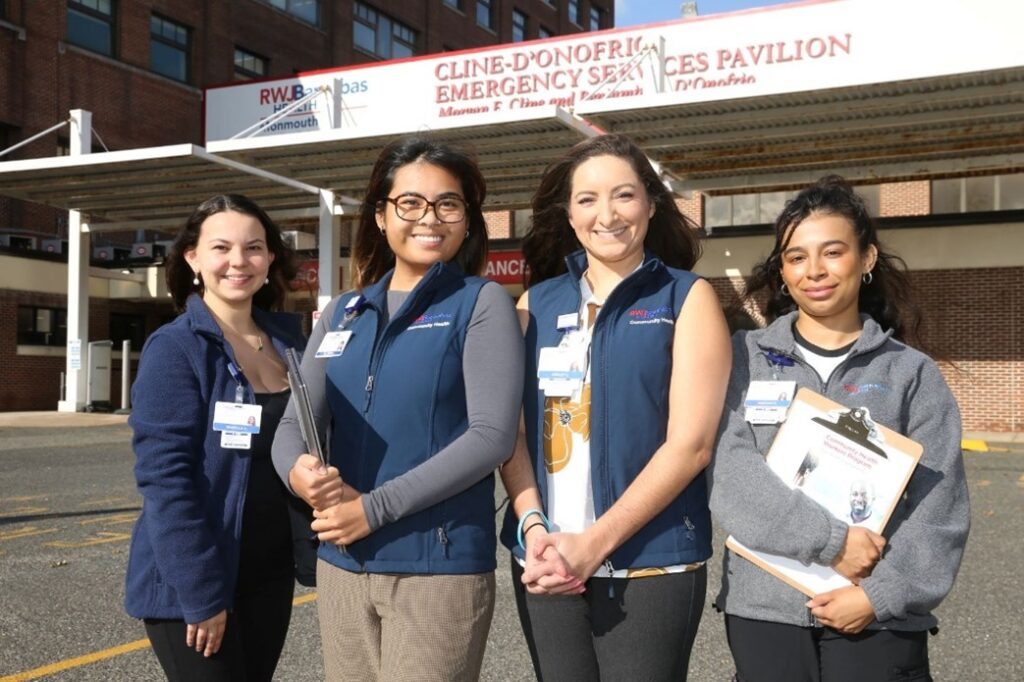
Take Advantage of Free and Virtual Offered by Your Local Health System
Lots of work is happening across RWJBarnabas Health to support women and families. For example, there are wellness centers, community health workers who connect with local families, and maternal community health workers who focus on supporting expectant moms throughout their pregnancy. There are also broader support programs such as “food farmacy” initiatives, including one in Newark tailored to pregnant women who can access fresh produce, diapers and supplies at no cost. The goal is to make sure underserved communities have access to care and education.
Convenience can make all the difference when juggling parenting young kids and work while trying to stay on top of your health. One of the silver linings of the pandemic was the expansion of virtual healthcare offerings. If childcare, work schedules or transportation are barriers, look for a virtual option. Many community programs focused on prevention and wellness are also offered for free.
“We offer lots of education and support groups that are virtual… to make it as affordable and convenient as we possibly can.”
How and where should you begin when looking for a program or resource? Visit your local hospital or health system website to see what community offerings are available. Most hospital systems have a section on their websites that list free education classes, wellness events, support groups and preventive screenings. Many also publish monthly calendars and break offerings down by hospital or region. “All of our free education programs are on our website and there’s a monthly calendar,” she said.
Here are some helpful places to search for events and resources at RWJBarnabas Health:
Spernal will be speaking about these programs and more at Let’s Talk Women’s Health & Wellness on March 14th at NJPAC in Newark. For more information about the symposium and to get tickets, click here and use promo code NJFAMILY30 for a 30 percent discount on tickets.
Read More:
Let’s Talk: NJ Activist Deb Belfatto is on a Mission to Boost Women’s Wellness
Look Out for These 5 Signs of Perimenopause
Is Your Phone Getting in the Way of Connecting With Your Kids?

