

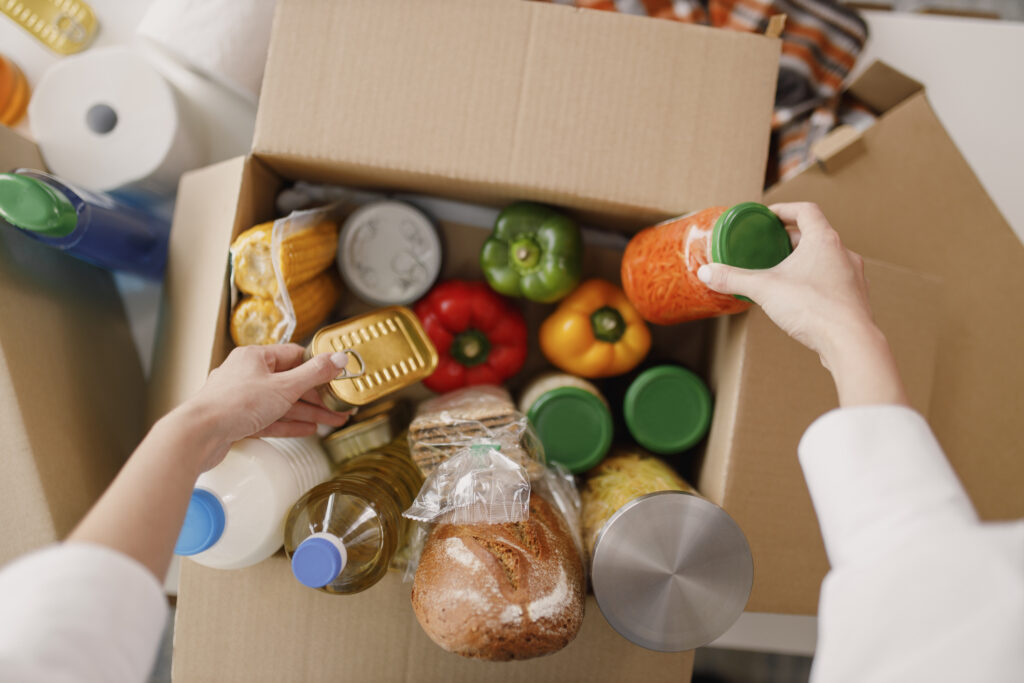
The second-longest government shutdown in U.S. history is about to take a toll on families who rely on New Jersey’s Supplemental Nutrition Assistance Program (SNAP), a government program that provides food assistance to low-income individuals and families.
On Monday, the U.S. Department of Agriculture (USDA) confirmed that SNAP benefits will not be issued on November 1 if the government shutdown continues. SNAP is a crucial support for hundreds of thousands of New Jersey residents. In the 2024 fiscal year, about 827,000 residents–or roughly 1 in 11 New Jerseyans–received SNAP benefits to help cover the cost of food, according to the Center on Budget and Policy Priorities (CBPP).
More than 37 percent of SNAP households in New Jersey include a person with a disability or an older adult, according to CBPP. These individuals often live on fixed incomes, face high healthcare costs, and experience limited mobility, all factors that make steady access to food essential for physical and mental health.
Meanwhile, 64 percent of SNAP households include children, and 31 percent have working adults whose wages fall short of basic living expenses, according to CBPP data. SNAP plays a huge role in supporting low-income families juggling caregiving responsibilities and health challenges.
The Economic Impact of SNAP
The impact of SNAP on families and the economy can’t be overstated. In 2023, SNAP participants redeemed $2.5 billion in benefits at New Jersey retailers, accounting for about 9.4 percent of all food-at-home spending, according to the New Jersey Department of Human Services and the SNAP Multiplier Impact Report (Sept. 2024).
Because SNAP benefits are typically spent quickly, officials say the program acts as an economic stabilizer, especially for households facing sudden crises or disability-related income disruptions.
The Need for Grassroots Support
“New Jersey has worked hard to protect families from hunger, but the ongoing federal shutdown puts that progress at risk,” said Brian Fitzgerald, president and CEO of Easterseals New Jersey, which provides essential services to children and adults with disabilities, older adults, veterans, and their families.
“If federal SNAP benefits lapse after October 31, thousands of New Jerseyans—including the people Easterseals supports in our residential and day programs—could lose access to the food and nutrition they depend on. Food security is not a privilege; it’s the foundation for health, stability, and independence.”
Fitzgerald said the response must go beyond directing families to food banks, which could become overwhelmed within days. Instead, Easterseals is calling for a coordinated, statewide effort that brings together nonprofits, food pantries, local governments, businesses, and individuals. Help can come in many forms, including logistical support, warehouse space, volunteer hours, and financial or in-kind contributions.
Local Response in Bergen County
In Bergen County, where nearly 42,000 residents depend on SNAP benefits, the Office of Food Security is working with local municipalities and nonprofit partners to organize emergency food drives for area pantries.
According to New Jersey State Health Assessment Data, about 84,000 Bergen County residents are food insecure. In 2024, more than 60 percent of local food pantries reported an increase in requests for assistance—many seeing growth of 20 percent or more. The temporary loss of SNAP benefits could significantly increase demand and further strain local resources.
“Please donate food, hygiene products, or gift cards to your local pantry—or volunteer your time to help meet this challenge head-on,” said Bergen County Commissioner Tracy Zur. “Only together can we make a difference.”
How You Can Help
The Community FoodBank of New Jersey (CFBNJ) distributes food to more than 800 community partners across the state. According to CFBNJ, nearly 1.1 million people, including more than 270,000 children, are food insecure in New Jersey.
CFBNJ is urging families who are able to help in four ways:
- Advocate: Spread the word about food insecurity and support organizations like the Community FoodBank of New Jersey.
- Donate: Contribute funds to CFBNJ or a local organization working to support families in need.
- Give Food: Host a food drive at your school, place of worship, or workplace.
- Volunteer: Offer your time at a CFBNJ warehouse, event, or local food pantry.

