


You’ve probably heard them all before—warnings about what will happen if you crack your knuckles, sit too close to the TV, or cross your eyes. But while these kid health “rules” get passed down from parents, friends, and even social media, many don’t hold up when it comes to science and research. Here’s the truth behind some common myths:
MYTH: SUGAR MAKES KIDS HYPER.
Does it seem like your kids start bouncing off the walls every time they have a piece of cake or candy? Moms everywhere swear the “sugar high” is a thing. However, studies don’t back it up. “Research has consistently shown no link between sugar intake and hyperactivity,” says Margaret Quinn, DNP, clinical professor and specialty director of the Pediatric Nurse Practitioner Programs in the Division of Advanced Nursing Practice at Rutgers Health School of Nursing. “What often seems like a ‘sugar rush’ is usually excitement from the environment, such as being at a birthday party with friends.”
While research has found no link between sugar and cognitive performance of kids, other factors may play a role. “Sleep deprivation, stress or illness can affect behavior,” says Quinn. But “while the sweet taste of candy may trigger a small adrenaline response, it does not directly cause hyperactivity.”

MYTH: GOING OUTSIDE WITH A WET HEAD WILL MAKE YOUR KID SICK.
This is probably one you’ve heard from as far back as your grandmother! Your kid’s wet head may make them feel uncomfortable on a chilly day, but it’s not going to give them a cold or the flu. “Germs make you sick, not wet heads,” says Heidi Weinroth, MD, assistant professor of clinical pediatrics, Cooper Medical School of Rowan University. “People do get more upper respiratory infections in the winter because we’re around each other more, indoors, in close contact. But even if your head is wet, germs don’t get in through your head or scalp.”
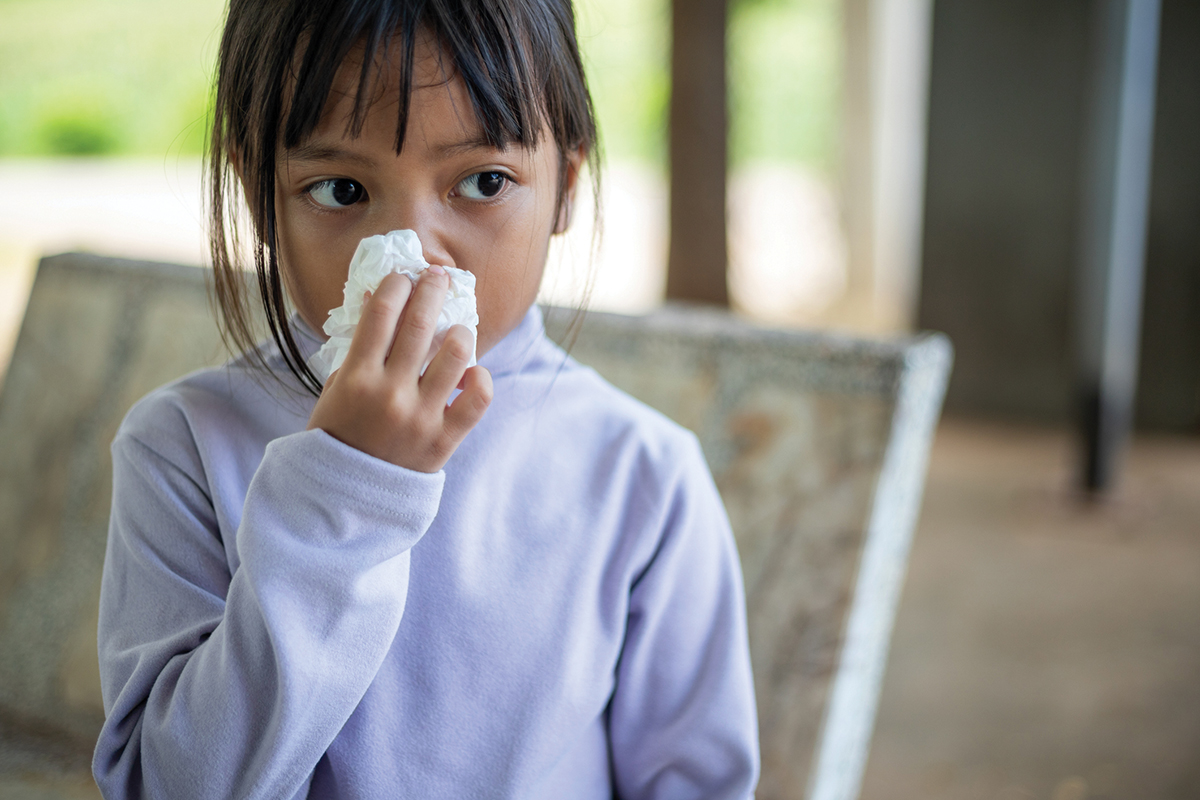
MYTH: GREEN OR YELLOW MUCUS MEANS YOUR KID NEEDS ANTIBIOTICS.
There’s no denying that sometimes what comes out of your kid’s nose is colorful and downright disgusting. But that doesn’t mean it’s time for a prescription. “Mucus can be a variety of colors, which does not mean it is a bacterial infection,” says Quinn. “Our body produces enzymes to fight infections, and some enzymes contain iron, which can make mucus appear green. As we inhale things from the environment, like pollen in the spring, our mucus can turn green then also.”
A cold is viral, and antibiotics don’t treat viruses. Sometimes you simply need to watch and wait it out. But if the illness lasts more than ten days, high fever isn’t going away, or your kid feels worse, contact your pediatrician, says Weinroth. You know your child best, so it’s never wrong to call the doctor.
MYTH: YOU SHOULD ALWAYS TREAT A COUGH.
There’s nothing worse than a kid hacking all day and night; it makes everyone, especially your child, miserable. But before you grab that over-the-counter (OTC) cough syrup, consider the facts. “A cough is your body’s way of getting mucus out of your lungs, so some coughing can be beneficial,” says Weinroth. “These OTC cough suppressants are minimally effective and often have adverse side effects.”
However, if your child’s cough is disruptive or causing them to lose sleep, you can give them a teaspoon of honey (if they are older than one year) at bedtime, says Weinroth. Studies have shown that honey may be as effective as OTC cough medications. It’s also okay to add honey to a warmed beverage, such as apple juice, if kids prefer.

MYTH: IT’S TOO LATE TO GET A FLU SHOT THIS YEAR.
While the best time to get a flu shot is September or October, it’s really never “too late” because flu season typically lasts from October to May. So, vaccination at any point (it takes two weeks to become effective) can still provide protection, says Quinn.
Last year was a particularly bad season. According to the CDC, 266 influenza-associated pediatric deaths were reported during the 2024–2025 season, and 90 percent of these children were not fully vaccinated. Although flu vaccines are recommended for ages 6 months and older, less than half of kids in that age group received the shot last year. If you still haven’t scheduled your child’s (or your) shot, call your doctor’s office ASAP.
MYTH: FEVERS ALWAYS NEED MEDICATION.
If your kid feels a little warm to the touch, it’s not necessary to dose them immediately with a fever-fighting medication. “Fevers are your body’s way to fight infection,” says Quinn. “A child who is eating and sleeping well and is playful and active does not need any fever-lowering treatment. The use of an antipyretic, such as acetaminophen, may make one feel more comfortable, but is not required.”
Most importantly, keep a digital thermometer on hand so you can gauge fevers accurately, and encourage your child to drink more to prevent dehydration, says Quinn.
Call your pediatrician if your child has the following fevers:
- Infants 3 months or younger: A rectal temperature of 100.4 or higher
- Children younger than age 2: Fever lasts more than 24 hours
- Children ages 2 and older: Fever lasts more than 72 hours
- Any age: Any fever higher than 104 degrees Fahrenheit, with other symptoms such as seizure, severe sore throat, ear pain, headache, rash, vomiting or diarrhea, sleepiness or persistent fussiness.
—Arricca Elin SanSone is a health and lifestyle writer.
Get the latest on the best things to do with your family in and around New Jersey by signing up for our newsletter and following us on Facebook and Instagram!
Read More:
What to Know About Suggested Links Between Taking Tylenol in Pregnancy and Autism
Tips to Help Your Kid Sleep Better Before the New School Year Begins

