

There’s still plenty of summer left to plan staycation days with the kids. Consider this your sign to visit one of these three spectacular sites in northern, central and southern New Jersey:

BAPS Swaminarayan Akshardham in Central New Jersey
It’s hard to believe this sprawling architectural wonder is right here in New Jersey. Located on a 185-acre campus in Robbinsville in Mercer County, BAPS Swaminarayan Akshardham is the largest Hindu temple in the United States and one of the largest in the world.
Built between 2011 and 2023, its centerpiece is a 191-foot-tall Mahamandir, a Hindu house of worship designed according to ancient Hindu scriptures. Its design includes a main shrine, 12 sub-shrines, nine traditional shikhars, or spires, nine pyramidal shikhars and what BAPS describes as the largest elliptical dome ever built using traditional stone architecture.

Nearly 2 million cubic feet of stone were used to build Akshardham. Marble, limestone, granite, sandstone and other stones came from countries around the world, including Greece, Turkey, Italy, Bulgaria, India and China.
More than 12,500 volunteers contributed millions of hours to the construction. Throughout the complex, you’ll can see thousands of carvings and statues inspired by Hindu faith, Indian culture, music and dance.

Plan to spend about two to 2½ hours walking the grounds and taking in the intricate architectural details. One especially striking feature is Brahma Kund, a traditional Indian stepwell with water collected from more than 300 bodies of water around the world, including rivers in India and waterways from all 50 states.
The Akshardham campus is open from 9 a.m. to 7:30 p.m. daily and closed on Tuesdays. Admission and parking are free, but timed reservations are required on Diwali, New Year’s Day, Memorial Day, Independence Day, Labor Day, Thanksgiving Day, and Christmas Day. Check the website before you go.

The Akshardham campus is wheelchair accessible. Visitors should dress modestly, with shoulders, chests, backs and knees covered. Shoes must be removed before entering the temple. Large bags, outside food and drinks, drones and commercial photography are not allowed.
For more, visit the BAPS Swaminarayan Akshardham website.
Edwin B. Forsythe National Wildlife Refuge in Southern New Jersey
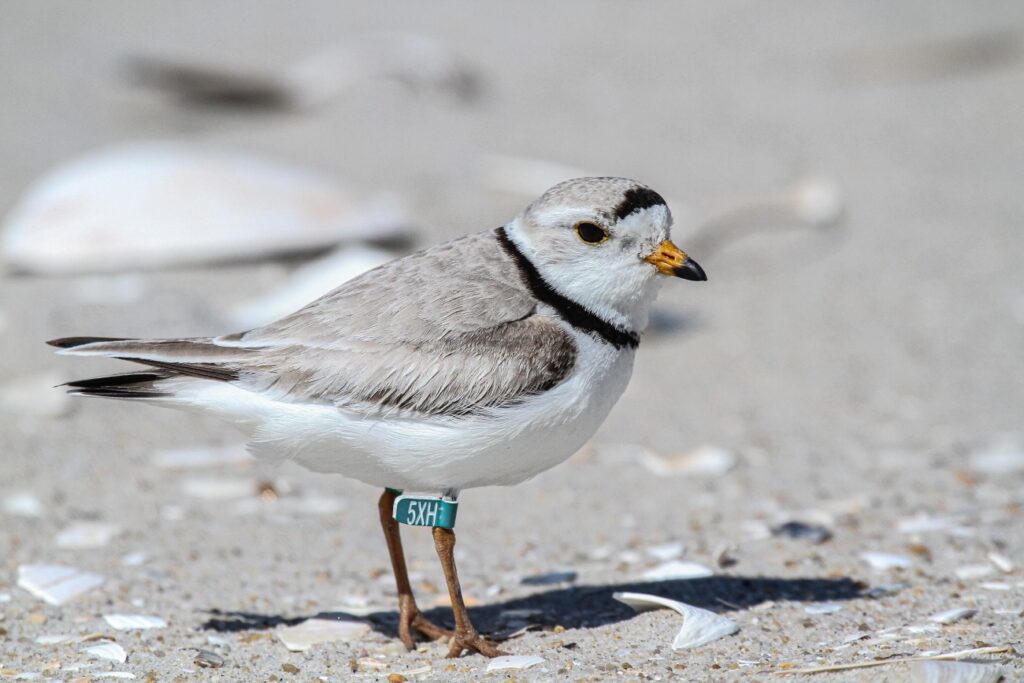
Named after the late conservationist Congressman from New Jersey, Edwin B. Forsythe National Wildlife Refuge protects more than 48,000 acres of southern New Jersey coastal habitats actively managed for migratory birds.
The refuge extends for 50 miles along the coast from Brick Township to its southern extent, five miles north of Atlantic City. You can see parts of the refuge with the kids by car or foot. From wildlife-viewing opportunities on the self-guided Wildlife Drive vehicle tour to hiking trails that stretch from the northern deCamp Wildlife Trail in Brick Township south to the Leeds Eco-Trail at refuge headquarters in Galloway Township, there are plenty of ways to explore this natural wonder. The refuge also has fishing and kayaking at designated locations.

The refuge lies on the indigenous homelands of the Lenni Lenape, which means “true people” in the language of the Delaware Indians. More than 82 percent of the refuge is wetlands, of which 78 percent is salt marsh, mixed with shallow coves and bays.
Because the refuge sits along one of the Atlantic Flyway’s busiest routes, it serves as an important stop for migrating birds. More than 360 bird species have been recorded here. Bring binoculars and look for waterfowl, waders, shorebirds, and seabirds along the Wildlife Drive.
The easiest way to explore with kids is the eight-mile Wildlife Drive, a self-guided auto tour through salt marsh, freshwater habitat and upland forest. Stop at the observation towers, boardwalk and trails along the way. The marsh boardwalk offers wide-open views, including a look toward the Atlantic City skyline in the distance.
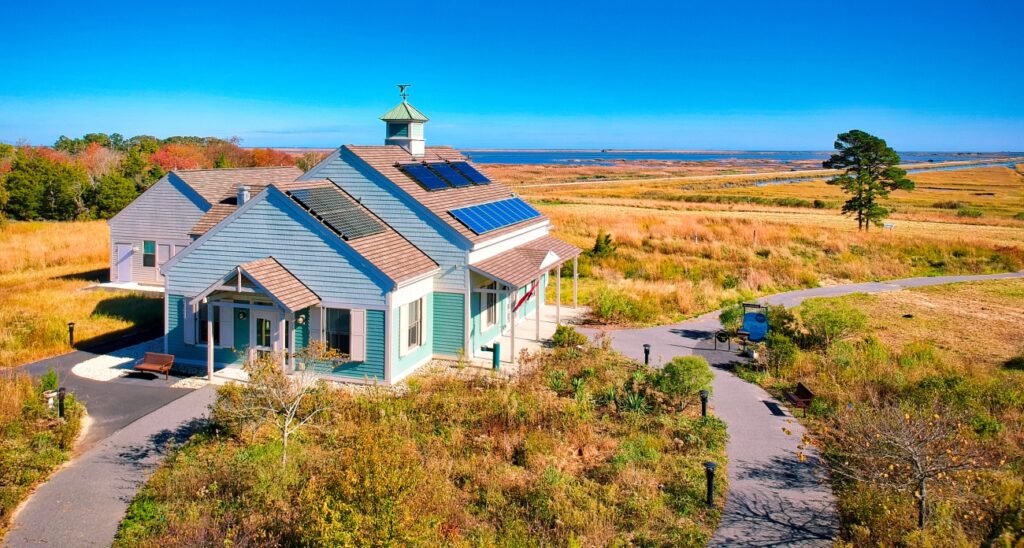
The trails and Wildlife Drive are open daily from sunrise to sunset. The Visitor Information Center is open Wednesday through Sunday from 10 a.m. to 2 p.m. and is closed on holidays. Admission to the Galloway/Oceanville area is $4 per car or motorcycle and $2 for pedestrians and bicyclists. Kids younger than 16 are admitted free. Self-pay envelopes are available at two fee stations when the visitor center is closed.
Accessible restrooms and designated accessible trails are available. Bring insect repellent, check for ticks after walking through grassy or wooded areas and always stay on designated trails. The Holgate Wilderness Area at the southern end of Long Beach Island is closed at least through the end of August to protect nesting birds.
For more, visit the Edwin B. Forsythe National Wildlife Refuge website.
The Appalachian Trail in Northwestern New Jersey
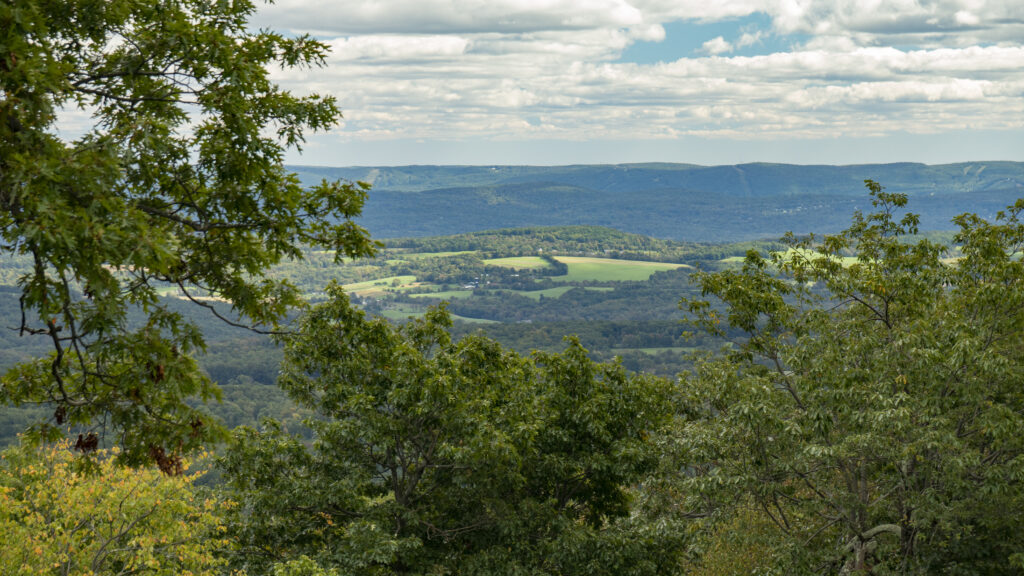
One of the country’s most famous hiking trails, the Appalachian Trail stretches more than 2,190 miles through 14 states. New Jersey has about 72 miles of the famous route, including sections in the Delaware Water Gap National Recreation Area near Hardwick Township in Warren County and areas in Sussex and Passaic counties.
Completed in 1937, the Appalachian Trail is maintained through a partnership between the National Park Service, U.S. Forest Service, state agencies, Appalachian Trail Conservancy and thousands of volunteers.
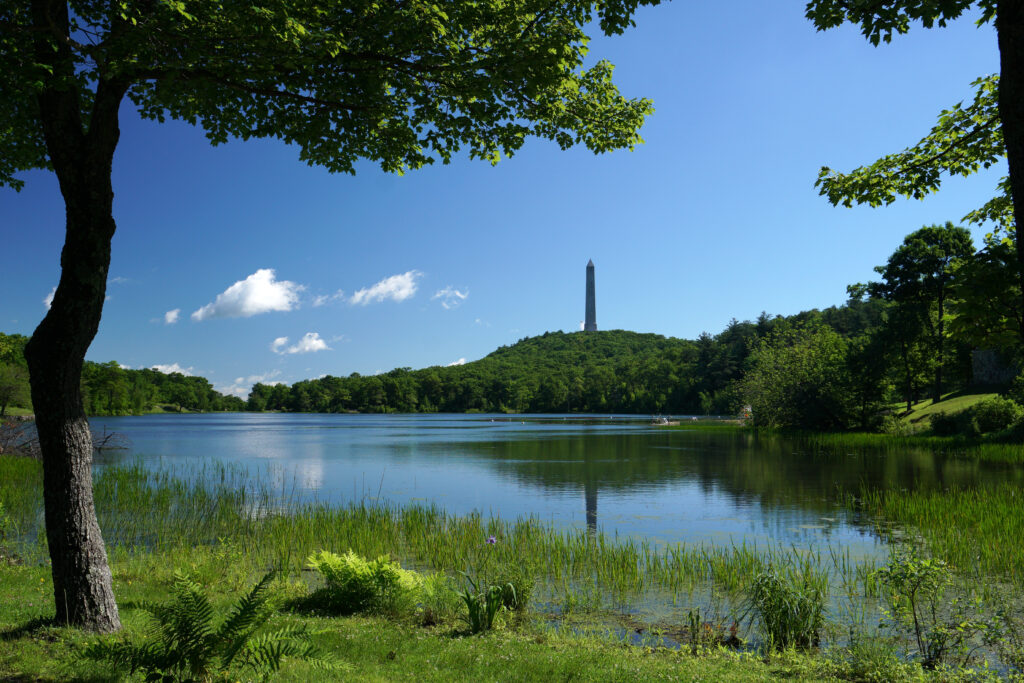
The key to planning a visit here is to choose a manageable section, especially if you have younger kids or aren’t experienced hikers. One option is the approximately 1.5-mile stretch between the southern and northern Rattlesnake Swamp trail junctions, which is rated easy to moderate. Another nearby section runs about 1.4 miles from the northern Rattlesnake Swamp junction to County Road 602.
The trail is not paved, and only limited sections are considered accessible. Delaware Water Gap National Recreation Area does not charge a general entrance fee, but some swimming, boating and picnic areas within the recreation area may have separate fees.
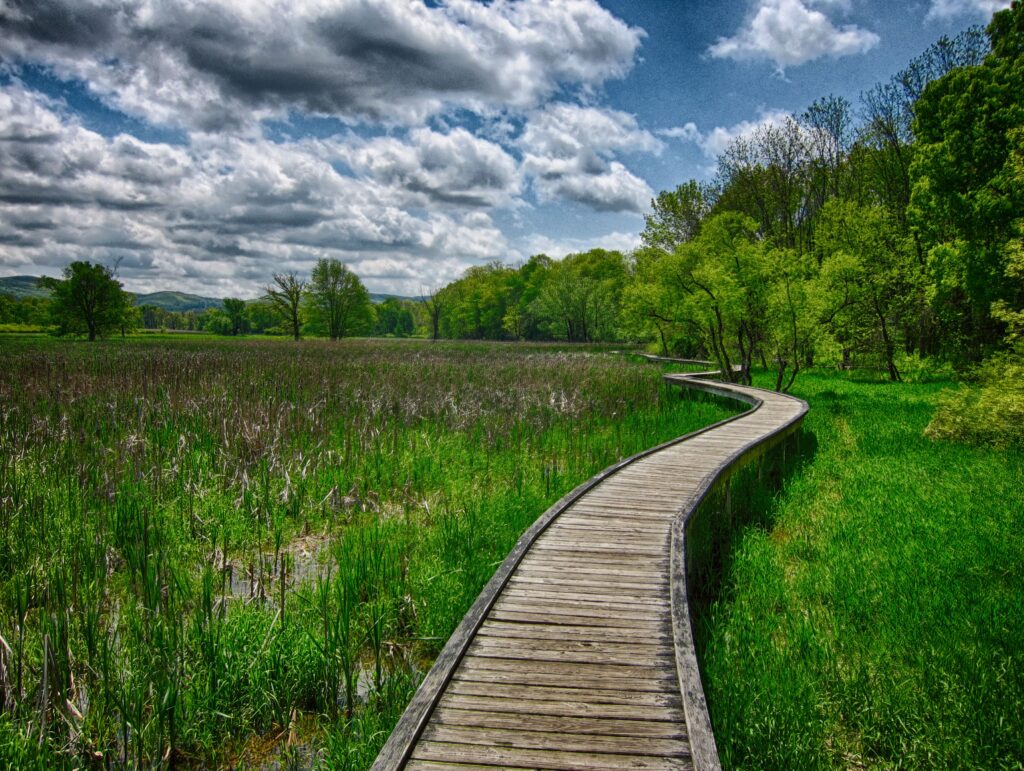
Parking at popular trailheads tends to fill up quickly on summer weekends, so try to arrive as early as possible. Download a map before you go because cell service can be spotty, and bring plenty of water and insect repellant, and always check for ticks after hiking any part of the trail.
Dogs are permitted in specific sections of the Appalachian Trail but must remain on a leash no longer than six feet. Check current trail and parking conditions through the National Park Service before heading out.
For more, visit The Appalachian Trail website.
Read More:
Travel + Leisure Named This Jersey Shore Hotel the No. 1 Inn in the U.S.
Two New Ocean City Cottages Offer a Shore House Alternative
Popular in Parenting:
How to Help Your Teen Handle Stress around SAT and College Applications
Is My Teen Burned Out from Summer Sports? Here Are the Signs to Watch For

