

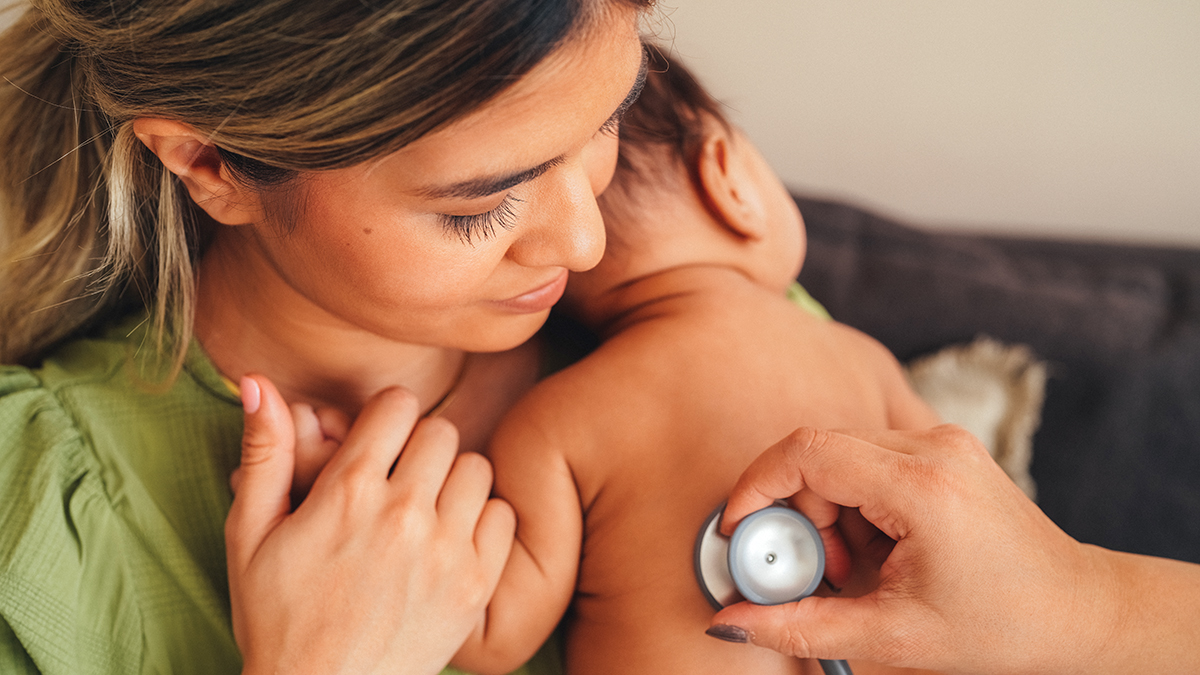
The early days with your newborn are a mix of joy, wonder, worry, and little sleep. Amidst the blur of feedings and diaper changes comes your baby’s first visits to the pediatrician. How do you best prepare? We asked the experts for advice on how to make the most of each visit.
Your first appointment with the pediatrician is usually scheduled within two days of your baby’s hospital discharge. Be sure to bring all hospital paperwork to that visit, including the baby’s birth and discharge weights. “The paperwork often includes the gestational age of the baby at birth, the type of delivery, a record of prenatal or birth complications experienced by the mother, results of any tests on the baby—including the baby’s blood type, jaundice/bilirubin testing, newborn hearing screening, and newborn congenital heart disease screening—and any vaccinations or medications administered to the newborn in the hospital before discharge,” says Michael Lucas, MD, medical director of the Pediatric Health Center at Saint Peter’s Family Health Center in New Brunswick.
Prior to that first visit, you’ll need to track your newborn’s feeding and diaper output. Your pediatrician will ask about the quantity and frequency of feedings, Dr. Lucas says. “For breastfeedings, mothers will not be aware of the volume consumed but can discuss the duration of feeding on each breast and the quality of the baby’s latch to the breast. The pediatrician will ask specific questions about the baby’s wet and stool diapers, including the color of the stool and how the color has changed since birth,” he says.
THE FIRST PHYSICAL
A full physical is part of the first visit. Your pediatrician will assess your baby’s weight, measure length and head circumference, and do a headto- toe check. Weight gain is usually the most telling sign of how well your baby is feeding. “If the weight is up from discharge, the diapers are nice and wet, and the stools are yellow and seedy, it means the baby is getting adequate nutrition,” says Emanuel D. Lerner, MD, professor and Section Chief of Primary Care Services in PopQuIS (Population Health, Quality and Implementation Science), Department of Pediatrics at Rutgers Health- Robert Wood Johnson Medical School, New Brunswick.
FEEDING AND BABY WEIGHT
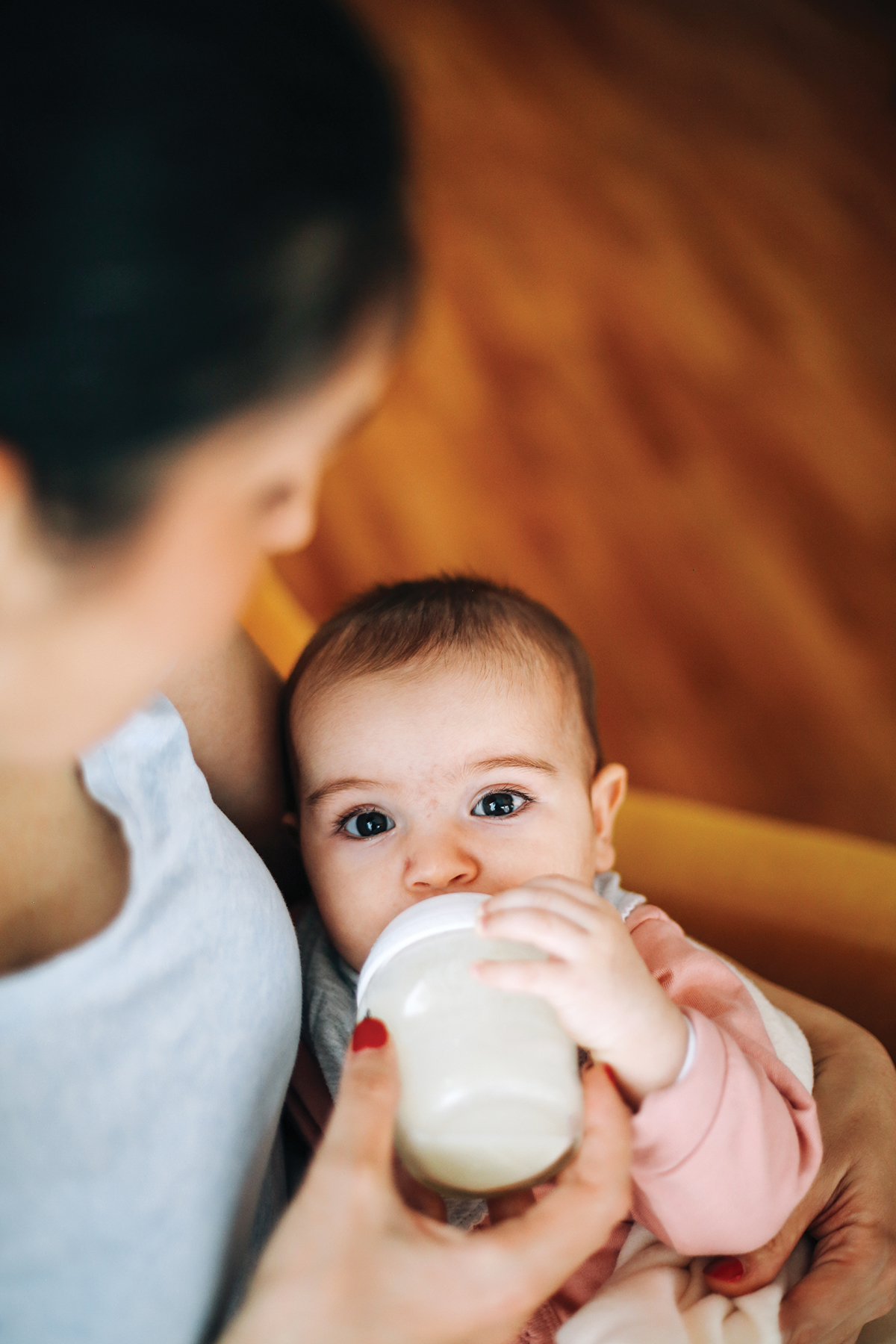
Dr. Lerner recommends frequent, short feedings in the early days. “To improve the chances that the breastfeeding will go well and that your baby will not lose too much weight, you should breastfeed your baby up to 12 times a day. Short frequent breastfeeding is better than long infrequent breastfeeds,” he says. “Before the baby is gaining weight it is important to wake the baby up every 2–3 hours during the day and every 3–4 hours at night if the baby is not doing it automatically.”
In bottle-fed babies, it’s easier to measure intake by volume, but regardless of feeding method, weight is the bottom line. If the weight isn’t going up or the pediatrician sees signs of dehydration or jaundice, they may schedule another visit within a day or two or refer you to a lactation consultant.
WHAT TO KNOW ABOUT SLEEP
Discussing safe sleep practices is a vital part of your early visits. “Babies should be sleeping in the same room as the parents, usually in a bassinet right next to the bed within arm’s reach,” says Dr. Lucas, adding that newborns should not sleep in the same bed as their parents.
When babies are put into their bassinets, they need to be placed on their backs, not their sides or stomach, Dr. Lucas says. “The bassinet itself should be free of other objects such as pillows, blankets, bumpers, or stuffed animals. The bassinet should have a firm, thin mattress or pad for the baby to sleep on.” The “back to sleep” campaign to make sure babies sleep on their back has been effective at reducing crib deaths, says Dr. Lerner. “Please do not listen to anybody that tells you that it is okay for babies to sleep on their stomachs,” Dr. Lerner adds.
Once feeding is established and weight gain is consistent, Dr. Lerner recommends helping your baby adjust to daytime and nighttime patterns. “Once the weight is going up and feeding is well established, then parents should ‘bother’ the baby every 2–3 hours during the day–that is move them around from upstairs to downstairs, inside to outside, so they don’t get their long period of sleep during the day. You should then let your baby sleep as long as they want to at night. This will hopefully prevent the ‘vampire’ schedule that some babies fall into.”
WHEN TO CALL YOUR PEDIATRICIAN
It’s important to know when something might be wrong. “Lack of urine and stool output can be signs of dehydration,” says Dr. Lucas. “Worsening yellowing of the skin and eyes can indicate that jaundice is becoming more significant. Redness, swelling, warmth and discharge by the belly button could signify the area is becoming infected. Fever, as demonstrated by the baby’s rectal temperature above 100.4 degrees Fahrenheit, would be abnormal in a newborn. The inability to wake or stimulate the baby, especially if the baby is sleeping well beyond their expected wake time for a feeding, and/or a baby who feels very floppy in their parents’ arms are also red flags.”
FOLLOW-UP VISITS
After the first newborn checkup, your pediatrician will map out a schedule for the rest of the year: often set at 2, 4, 6, 9 and 12 months. Your pediatrician will also plan your baby’s first year of vaccines. “At 6 months antibody levels are not adequate for protection. It takes 2–3 shots for most of the vaccines to give adequate protection and the vaccines need to be spaced out, so we start most of the vaccine schedules at 2 months so we can get sufficient protection from giving the vaccines at 2, 4 and 6 months of age,” says Dr. Lerner. “Delaying the shots leaves the baby vulnerable at a critical period.”
Beyond weight, vaccines and other tangible milestones, be sure to come to each appointment with your own list of questions. Every baby is different so it’s important not to get caught up in comparing. You know your baby best, so if something feels off, trust your gut.
Get the latest on the best things to do with your family in and around New Jersey by signing up for our newsletter and following us on Pinterest, Facebook and Instagram!
Read More:
A Step-by-Step Guide to Kids’ Hygiene
How to Handle Every Kind of Dental Emergency for Your Kids
Here’s How to Find the Right Pediatrician For Your Family
Here’s How to Recognize the Signs of Postpartum Depression
Popular Now:
Adriana Carrig’s Little Words Project: How an NJ Mom Turned Kindness Into a Multi-Million Dollar Brand
State Fair Meadowlands is Canceled Until 2027 – Here Are NJ’s Best Festivals for Summer 2025
How to Book a Taylor Swift-Inspired Airbnb at The Jersey Shore
Where to Find Labubu Dolls in New Jersey
The Best Free Beaches in New Jersey

