

New Jersey’s role in our nation’s nearly 250-year story looms large. As the crossroads of the American Revolution, New Jersey was home to key battles, and to General George Washington, who slept here more than in any other state. New Jersey was the third colony to become a state and the first state to ratify the Bill of Rights. Our reputation for “firsts” continued from there.
The first Band-Aid, drive-in movie theater, telephone, and sound recording all happened right here in the Garden State. Without a doubt, the diversity, talents, and ingenuity of New Jerseyans represent the bold vision our founders had for this country. Here are four places where you can dig into New Jersey’s past and its enduring impact on the world.
Discovery Center at Point Breeze
101 Park St., Bordentown
Long before General George Washington and his troops made their historic crossing of the Delaware River, the Lenape people made their home along its banks. They called the river “Lenapewihittuck,” or “river of the Lenape people.” For 13,000 years they fished, hunted, farmed, and became the first stewards of the water they relied on for travel, food, and fresh drinking water.
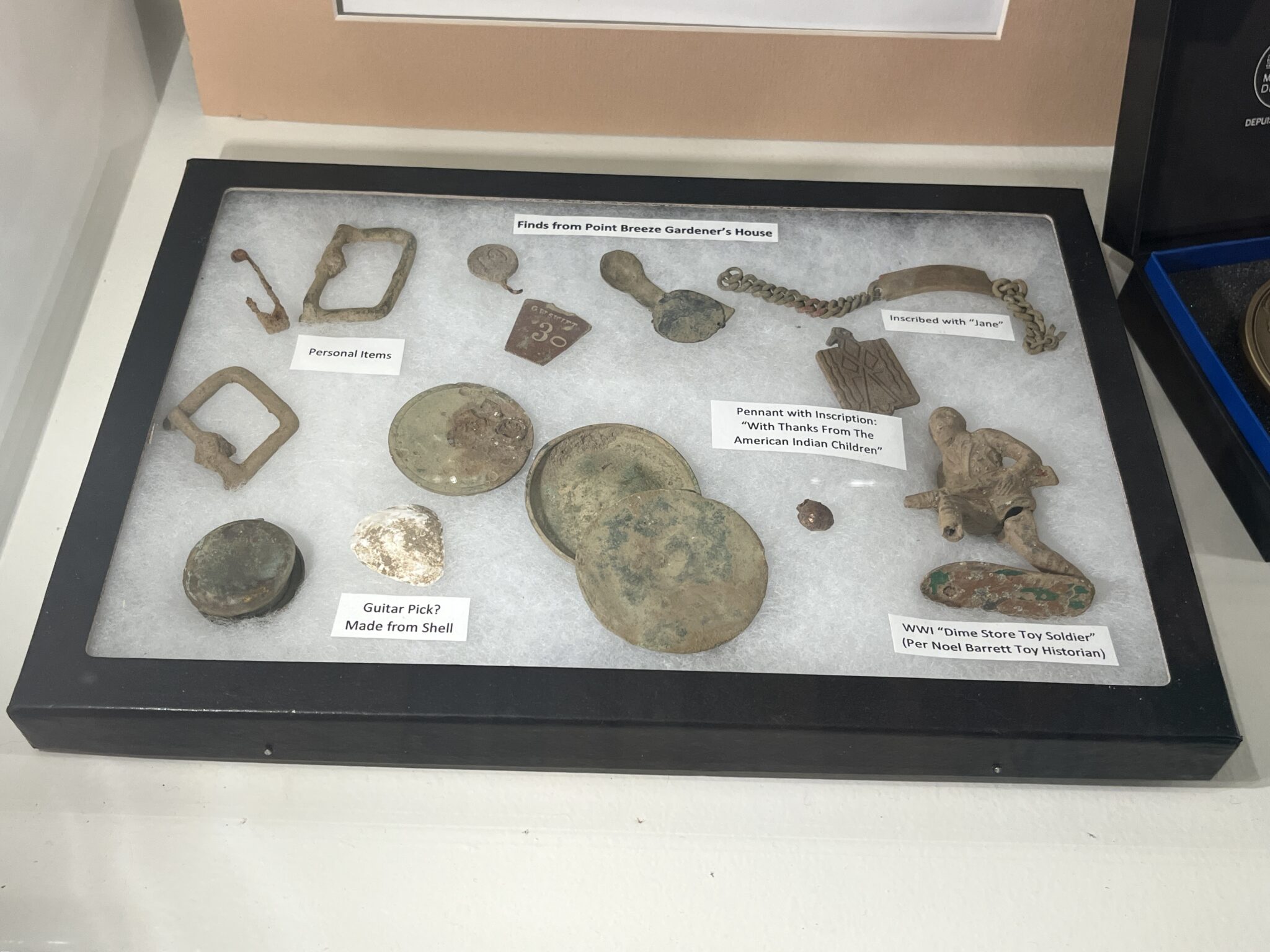
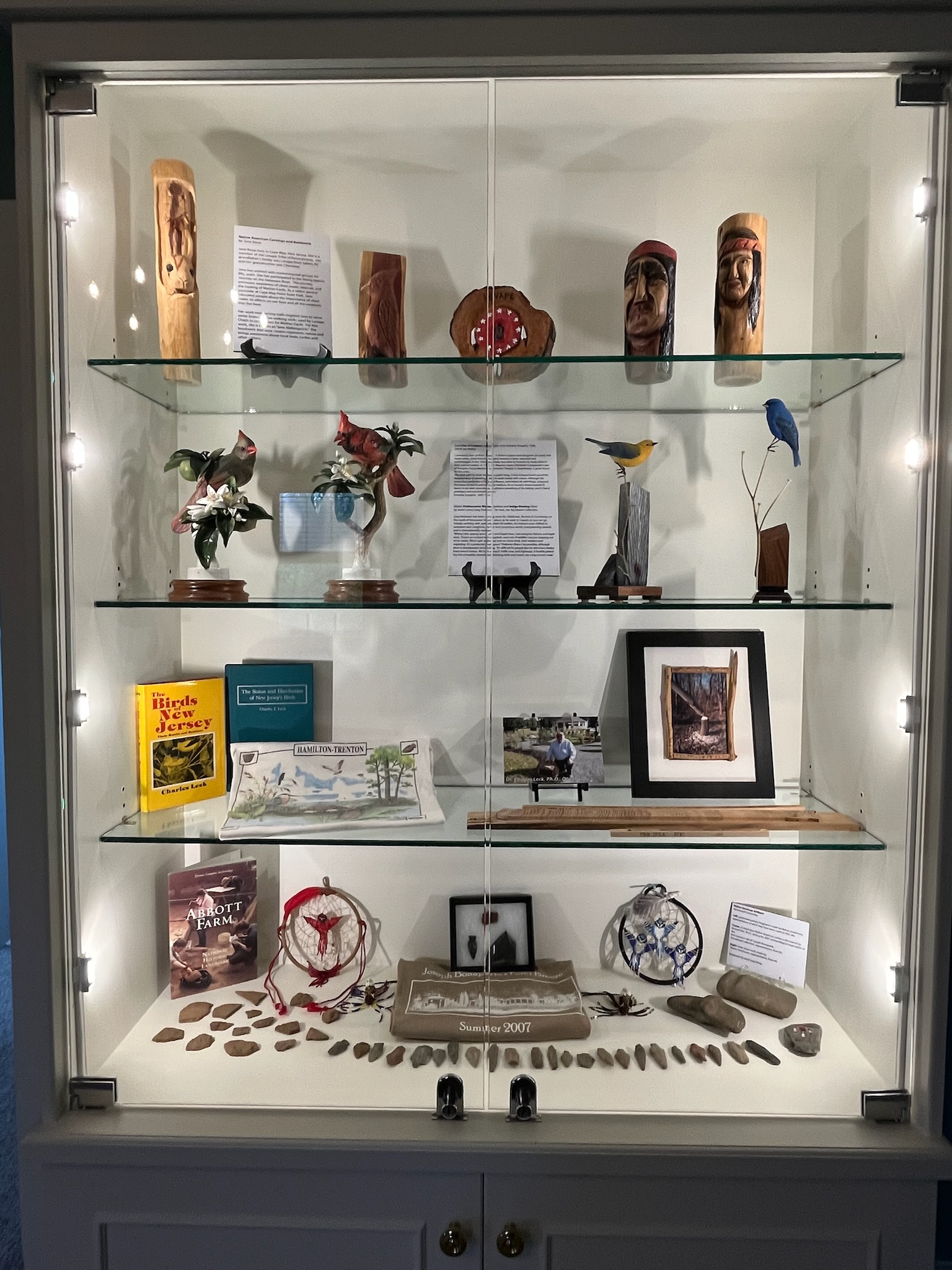
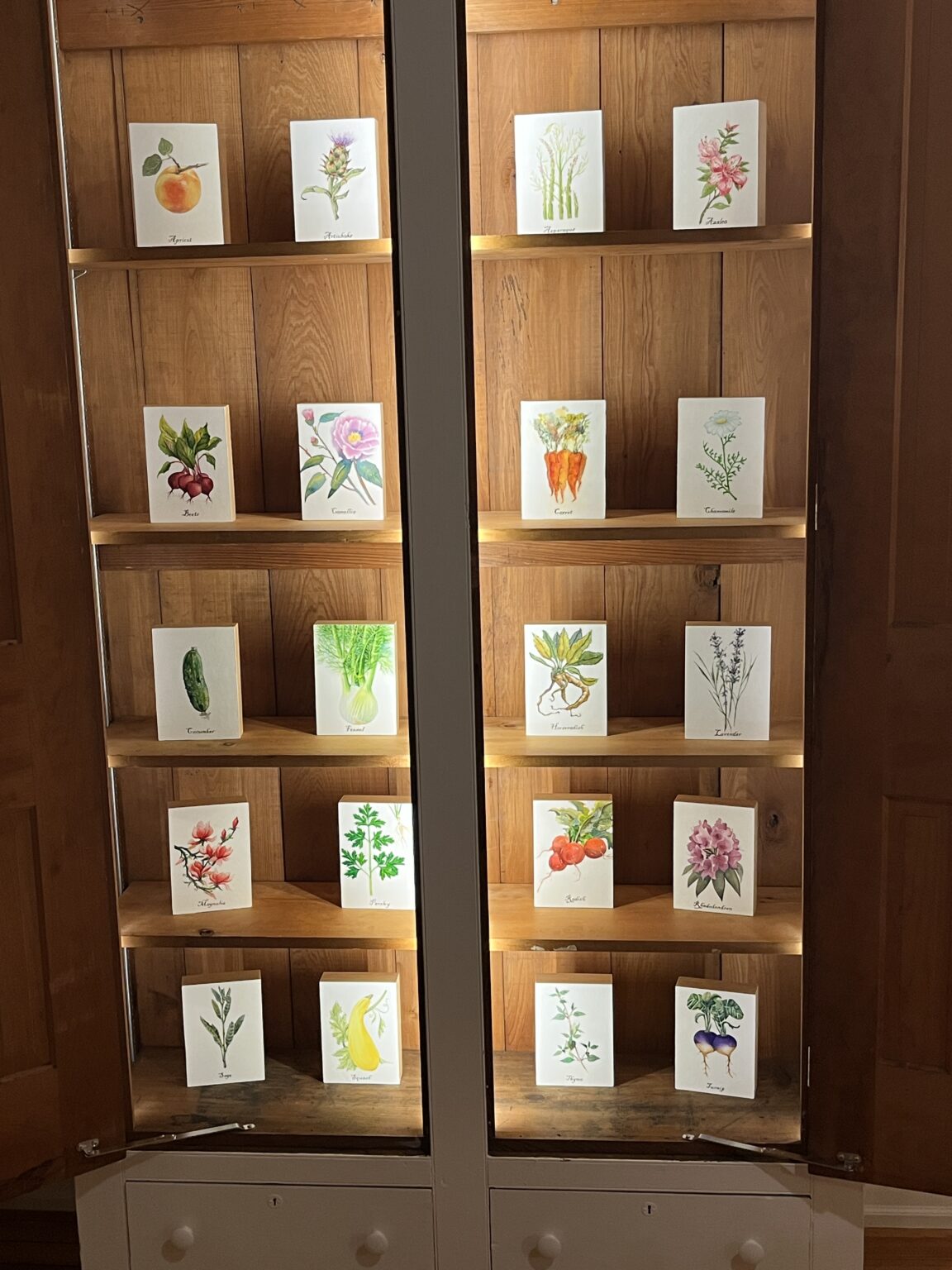
Today, the Discovery Center at Point Breeze in Bordentown keeps the Lenape culture alive. Inside the center’s four rooms, visitors have a unique opportunity to learn about New Jersey’s Indigenous people, plants and wildlife, and historical residents. There is a display of Lenape words and translations, instructions on how to access the Lenape Talking Dictionary, and wood carvings and beadwork by an artist of Lenape heritage. A video features Turtle Clan Chief Vincent Mann talking about the Lenape people’s historical connection to the land and present-day desire to be involved in its stewardship. Outside, the Three Sisters Garden has corn, beans, and squash, to honor the Lenape people. There are also 27 other crops in the garden, eight of which are native.
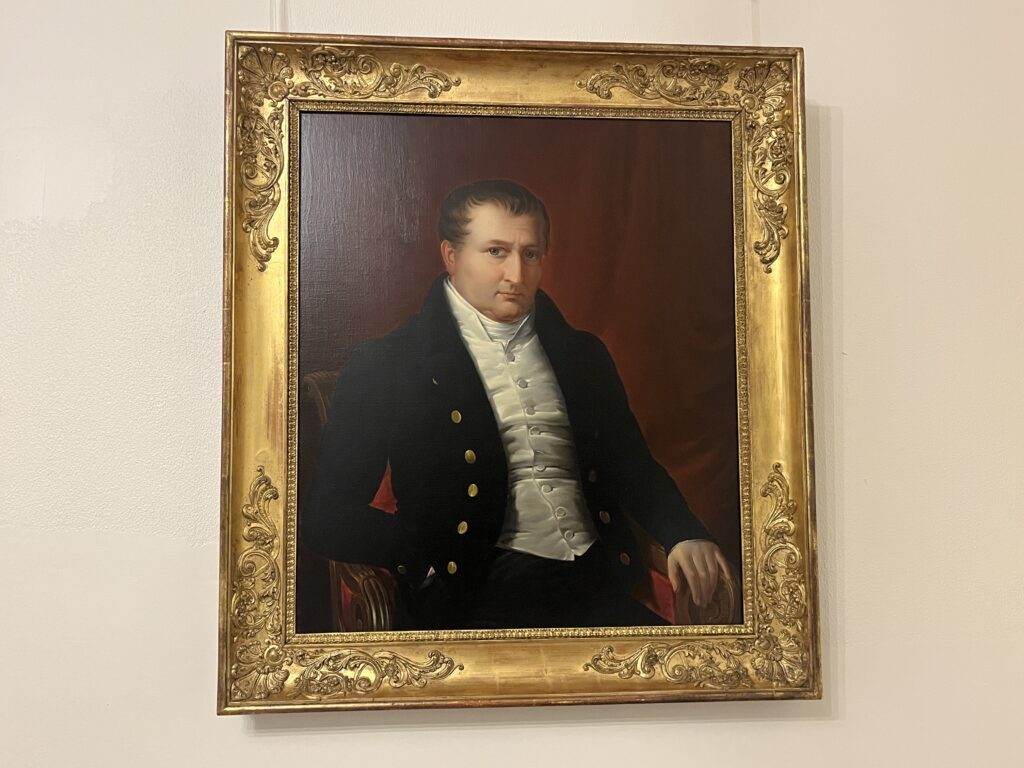
Located on 60 acres overlooking the Delaware River and Crosswicks Creek along the Abbott Marshlands, the Discovery Center was once part of the estate of Joseph Napoleon Bonaparte, the exiled King of Spain and older brother to the famous Emperor of France. He built two mansions on the site. The original estate was destroyed by fire but the second was grander than the first, boasting the largest library and art collection in the country at the time. King Bonaparte had some famous houseguests, too, including John Quincy Adams, the Marquis de Lafayette, Henry Clay, Dolley Madison and John James Audubon.
The present-day Discovery Center was once King Bonaparte’s gardener’s house. Originally built in 1820 and opened to the public in 2023, it is the only remaining structure. Prior to a recent renovation, it was used by Divine Word Missionaries for more than 80 years. In December 2020, D&R Greenway, which owns and operates the Discovery Center, joined the City of Bordentown and the State of New Jersey to permanently preserve the 60-acre property.
The Discovery Center is open to the public from 12 to 4 pm on Saturdays and Sundays. Call 609-924-4646 to arrange a special visit for groups, schools, or scout troops.
The New Jersey State House
145 W. State St., Trenton
When it comes to historic buildings in the Garden State, none surpasses the New Jersey State House in Trenton. It’s also one of the oldest state capitols in continuous use in the country. Since 1792, the building on West State Street in Trenton has housed the New Jersey State Legislature, the governor’s office, and other executive branch offices. Beneath the impressive gold dome lies a landmark rich with history.
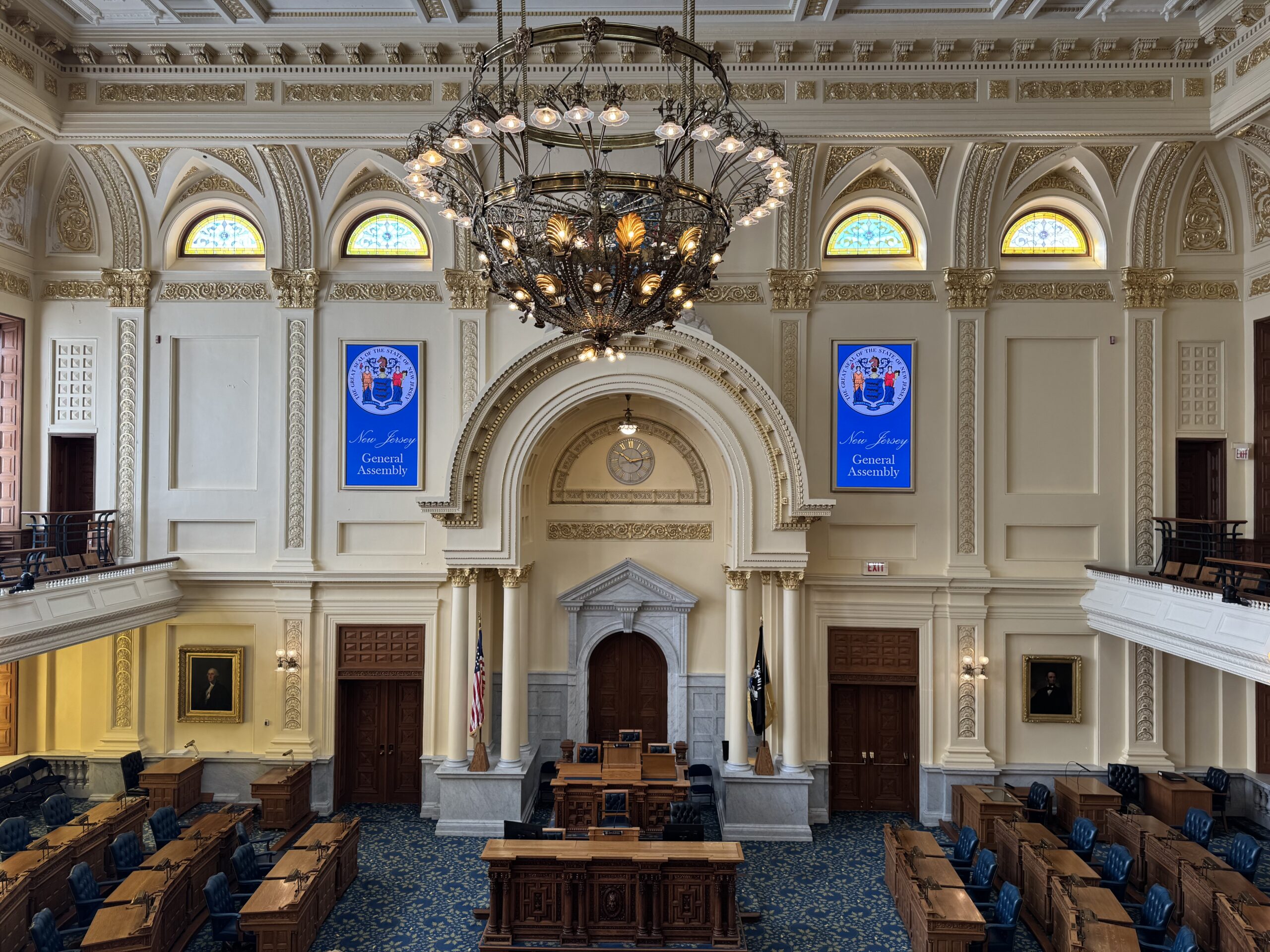
On Feb. 21, 1861, President Abraham Lincoln addressed the State Senate and General Assembly, citing New Jersey’s role in the Revolutionary War. Thirty years later, in 1891, Thomas Edison’s Electric Light Company installed the brass chandelier with electric light bulbs in the General Assembly chamber.
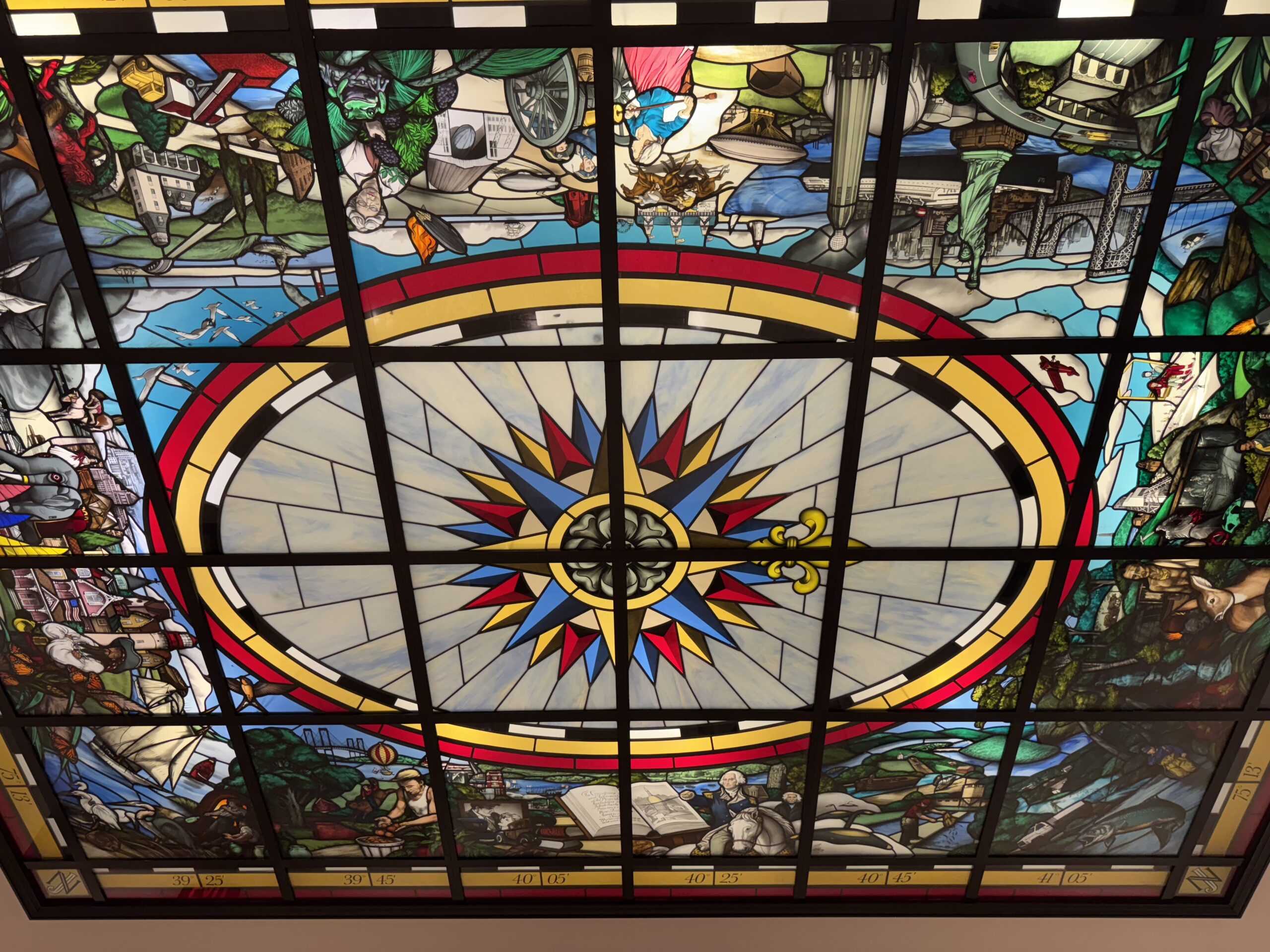
It’s an architectural wonder, too. Look up to see the domed stained-glass skylight in the Senate chamber honoring famous New Jerseyans. Around the room, you’ll see sixteen murals depicting scenes from Revolutionary War battles and New Jersey industry on the walls.
The General Assembly chamber showcases the Great Seal of New Jersey above the speaker’s dais, the chandelier installed by the Edison Company, stained-glass lunettes, and an enormous skylight. The carpet incorporates images of four state symbols: the honeybee, purple violet, Eastern Goldfinch, and red oak tree.
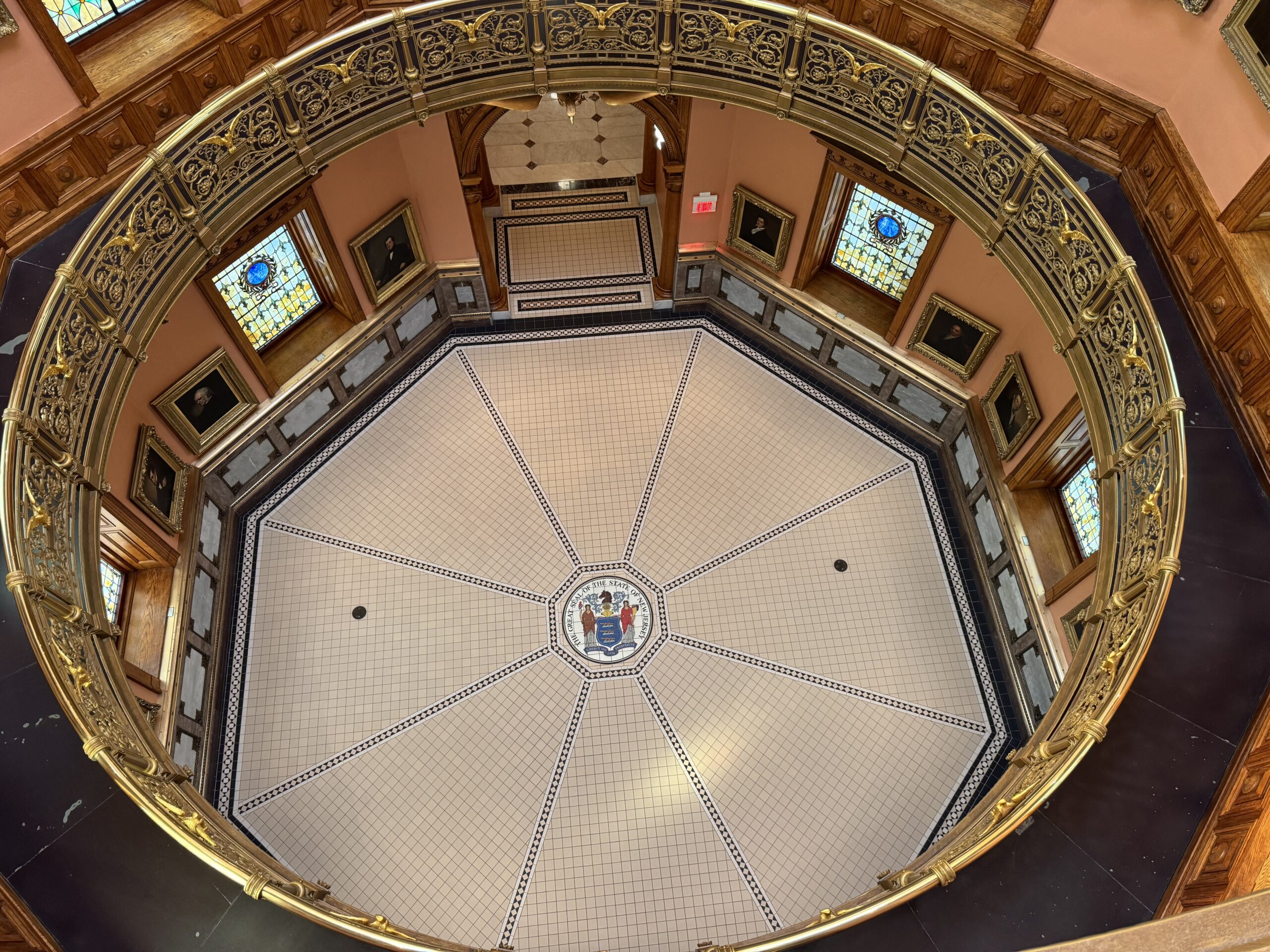
The recently renovated Rotunda outside the governor’s office is awe-inspiring. Designed as a grand entrance hall, its tiered balconies are lined with golden railings adorned with eagles. Stained-glass windows surround the space, and the Great Seal of New Jersey forms the centerpiece of the tile floor.
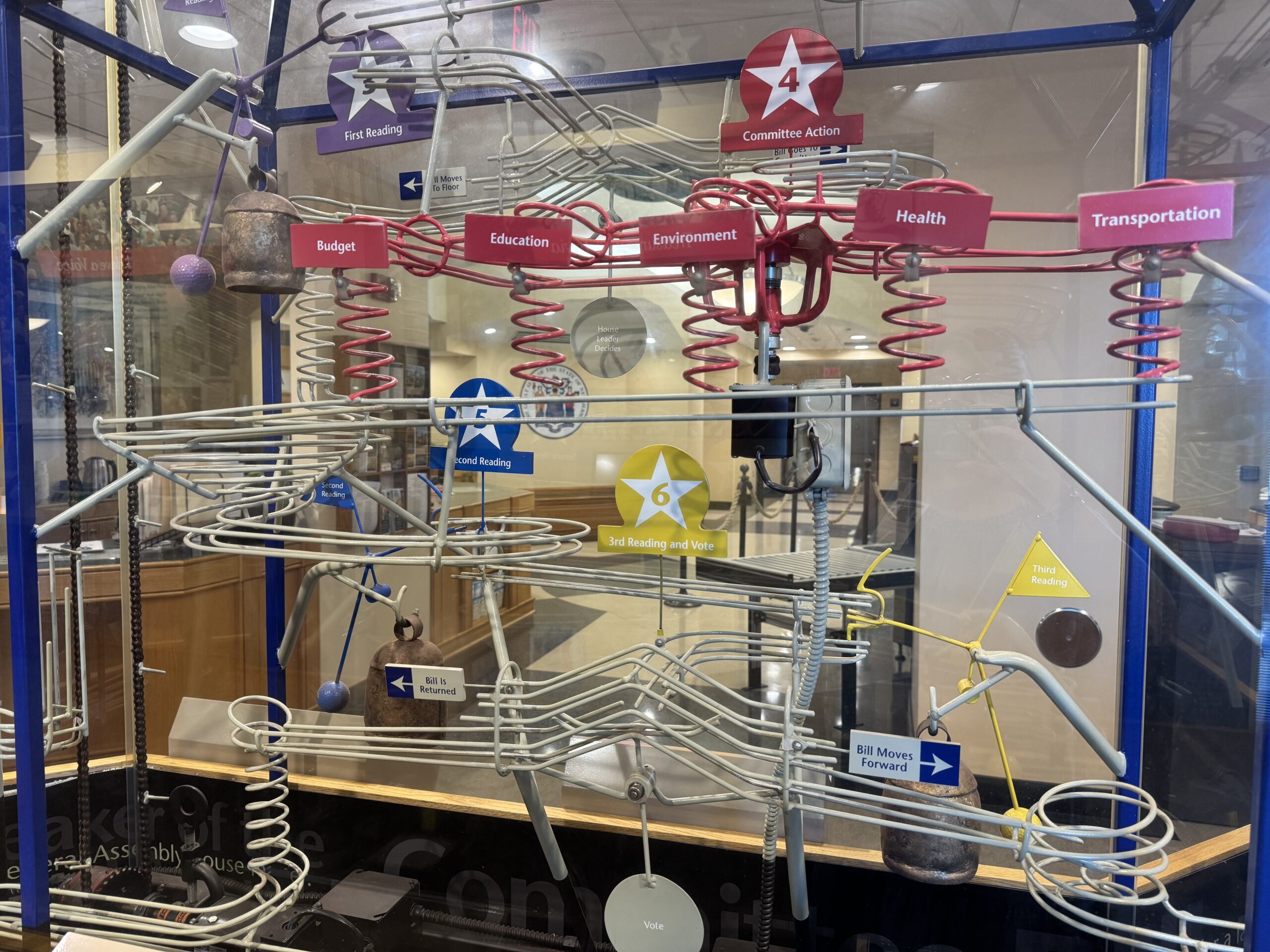
During the free 60-minute tour, visitors can see these areas and several other noteworthy spaces if the legislative schedule permits. Call the Tour Office (609-847-3150) between 9 am and 5 pm on weekdays to make a reservation. Tours are offered Monday through Friday from 10 am to 3 pm. Group and public tours are limited in capacity, so make sure to plan ahead. The State House is closed on Saturdays, Sundays, and state holidays. Check the website for a complete listing.
Before you go, visit the tour office website and download some of the helpful materials to prepare kids for a visit. There’s a pamphlet about the legislative process, activity books for kids, and a “Pastimes and Trivia” booklet for older students and adults.
To make a day of it, pack a lunch. Picnics are permitted on the grounds or dine nearby at the casual eateries on Warren Street. After lunch, visit the nearby State Museum on West State Street, the Old Barracks Museum on Barrack Street, Trent House on Market Street, or Trenton City Museum in Cadwalader Park.
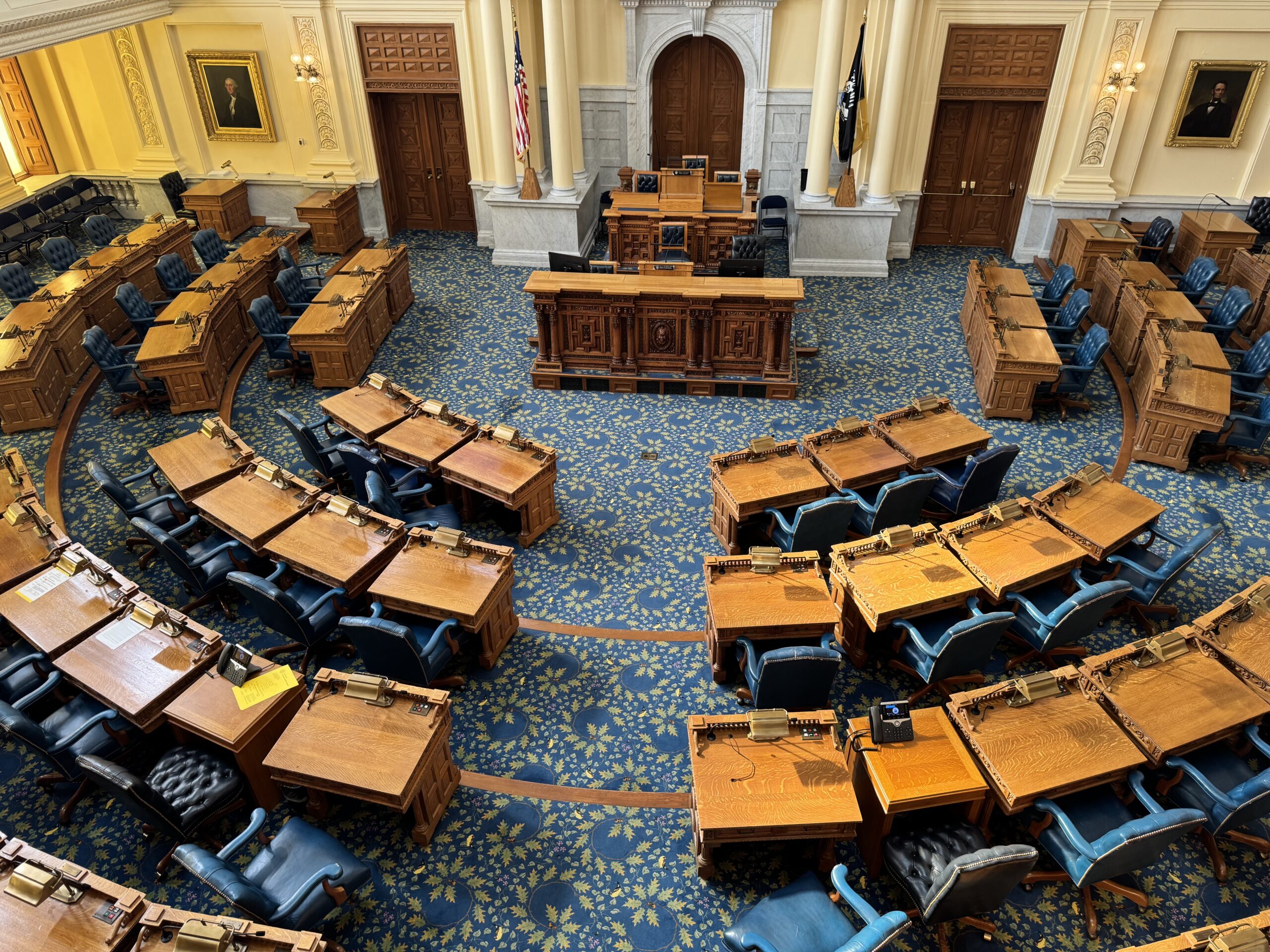
Tours begin at the State House Tour Entrance and Welcome Center, on the south side of the complex, using the Capitol Plaza Stairs, via Level 2 in the Capitol Complex Garage, or sidewalks located off Barrack Street. The building, tour, and parking garage are accessible to those with mobility issues and/or special needs.
Historic Village of Allaire
4263 Atlantic Ave., Farmingdale
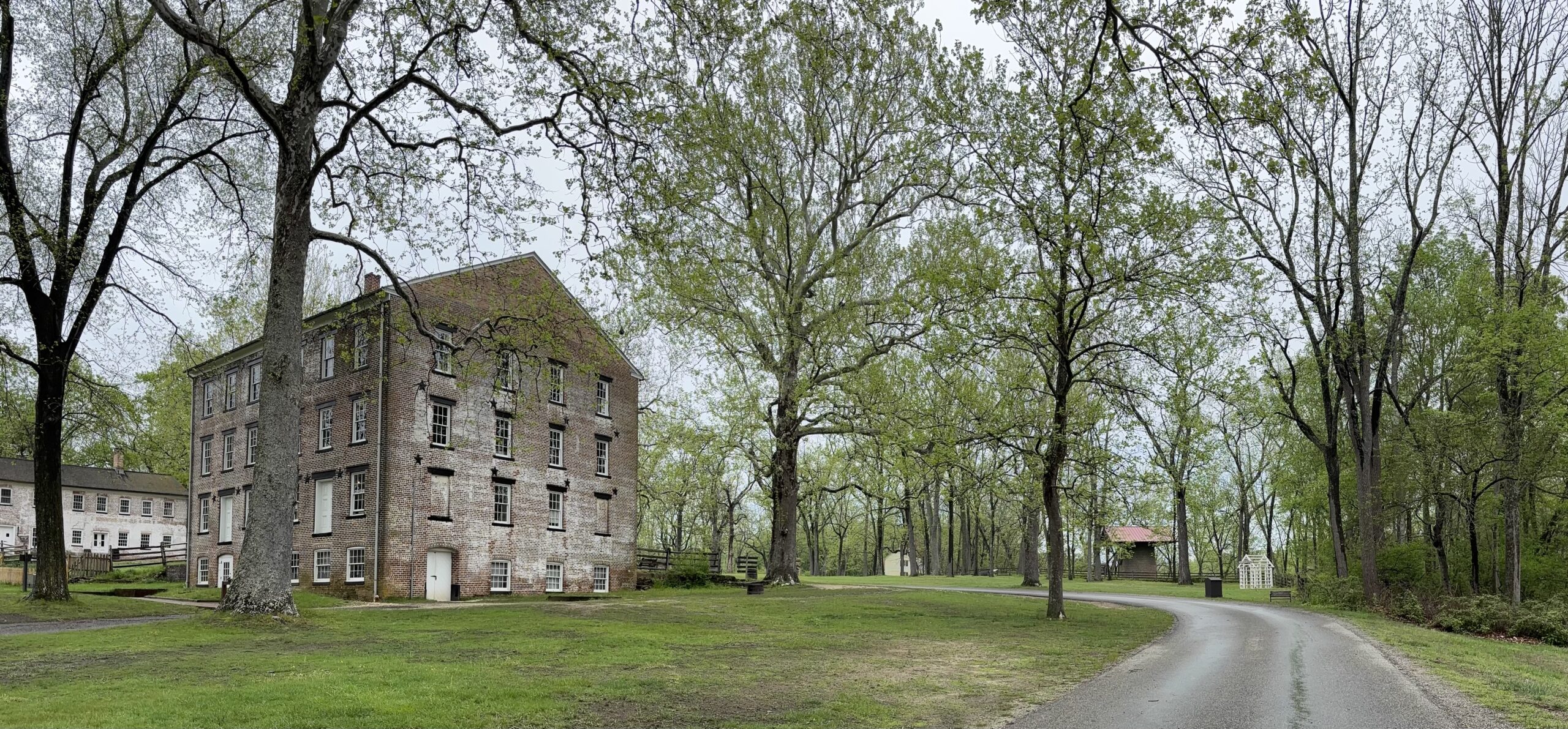
New Jersey’s geography, abundant natural resources, and proximity to both New York and Philadelphia make it an integral part of the American Industrial Revolution. Textiles, silk, ceramics, and ironworks were just a few of the products manufactured in New Jersey. Cities and towns cropped up around mills and factories. Paterson was the first planned industrial city in the United States, and the Historic Village of Allaire is an excellent example of a planned industrial town in New Jersey.
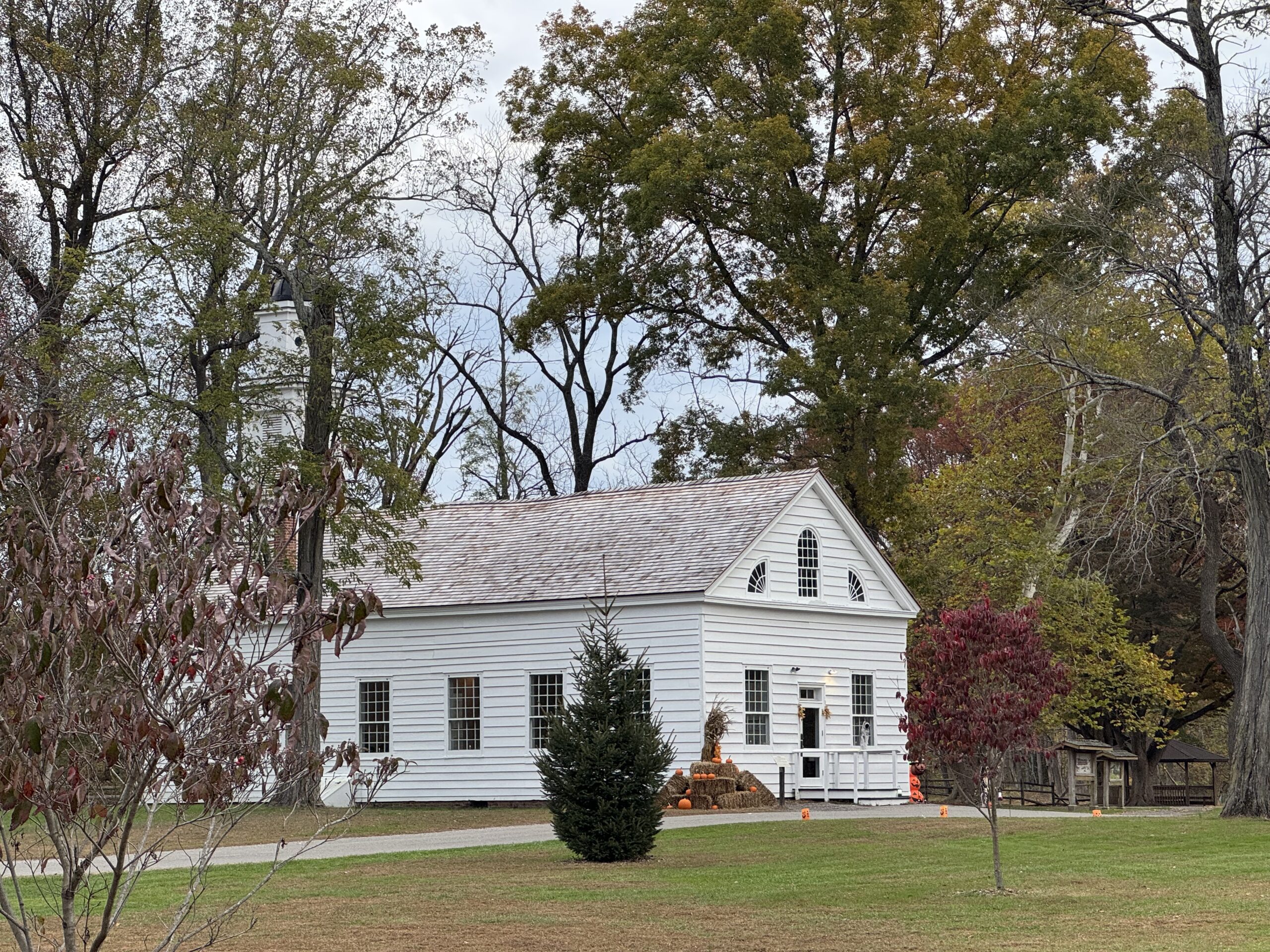
In 1822, James Peter Allaire, a master mechanic and steam engine builder, bought land in the New Jersey Pine Barrens and established Howell Works. Casting and pig iron were produced there and shipped off to Allaire’s New York foundry, which made parts for steam engines. Because of the remote location, Allaire built a self-sustaining company town with housing, essential services and facilities for more than 400 workers and their families.
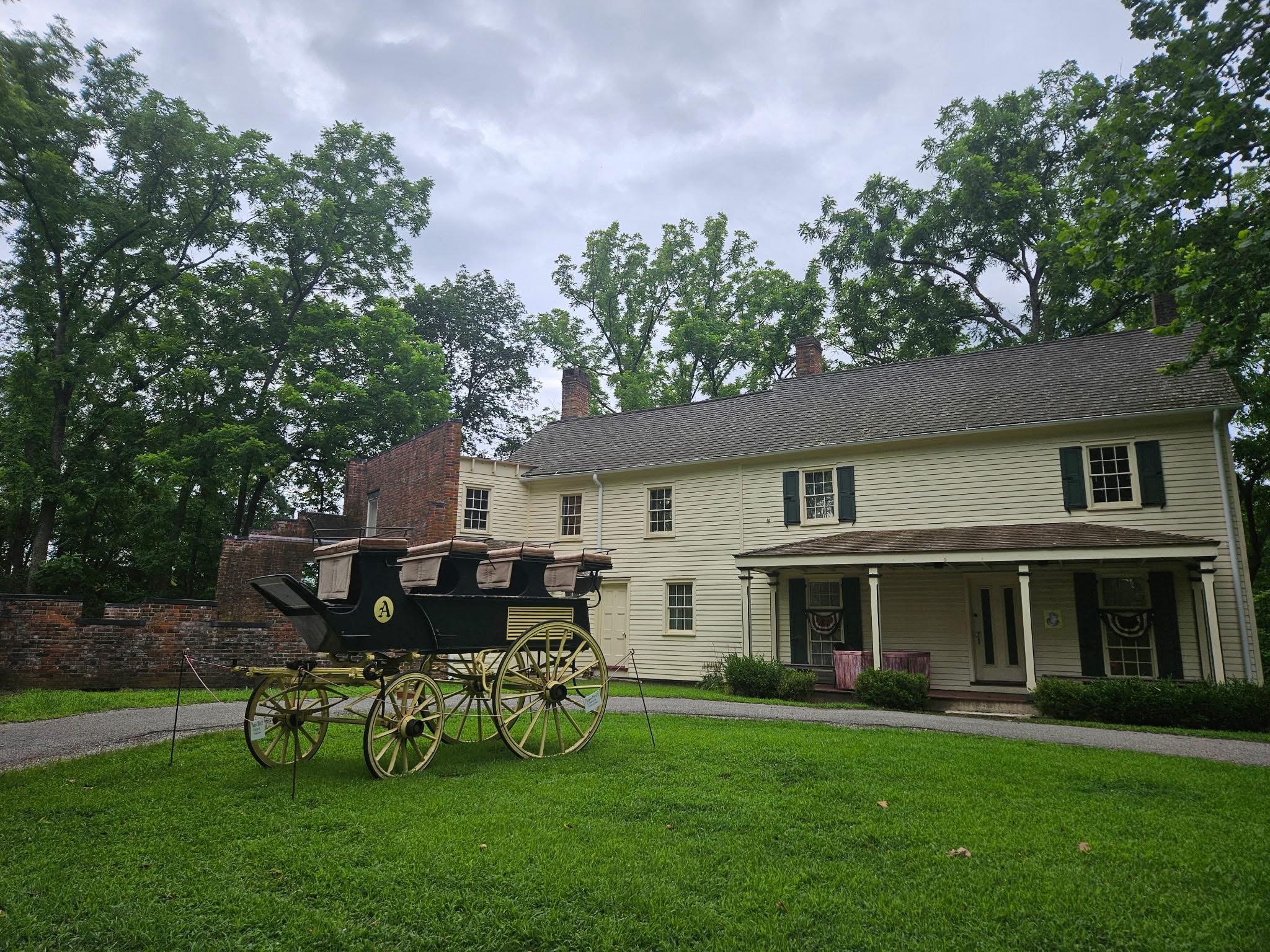
Today, thirteen of those original buildings remain, offering visitors the chance to walk in the footsteps of early 19th-century residents. The village comes alive with staff and volunteers wearing period costumes and conducting historical demonstrations. The bakery still operates too, filling the village with the scent of delicious treats. It’s truly like stepping back in time.
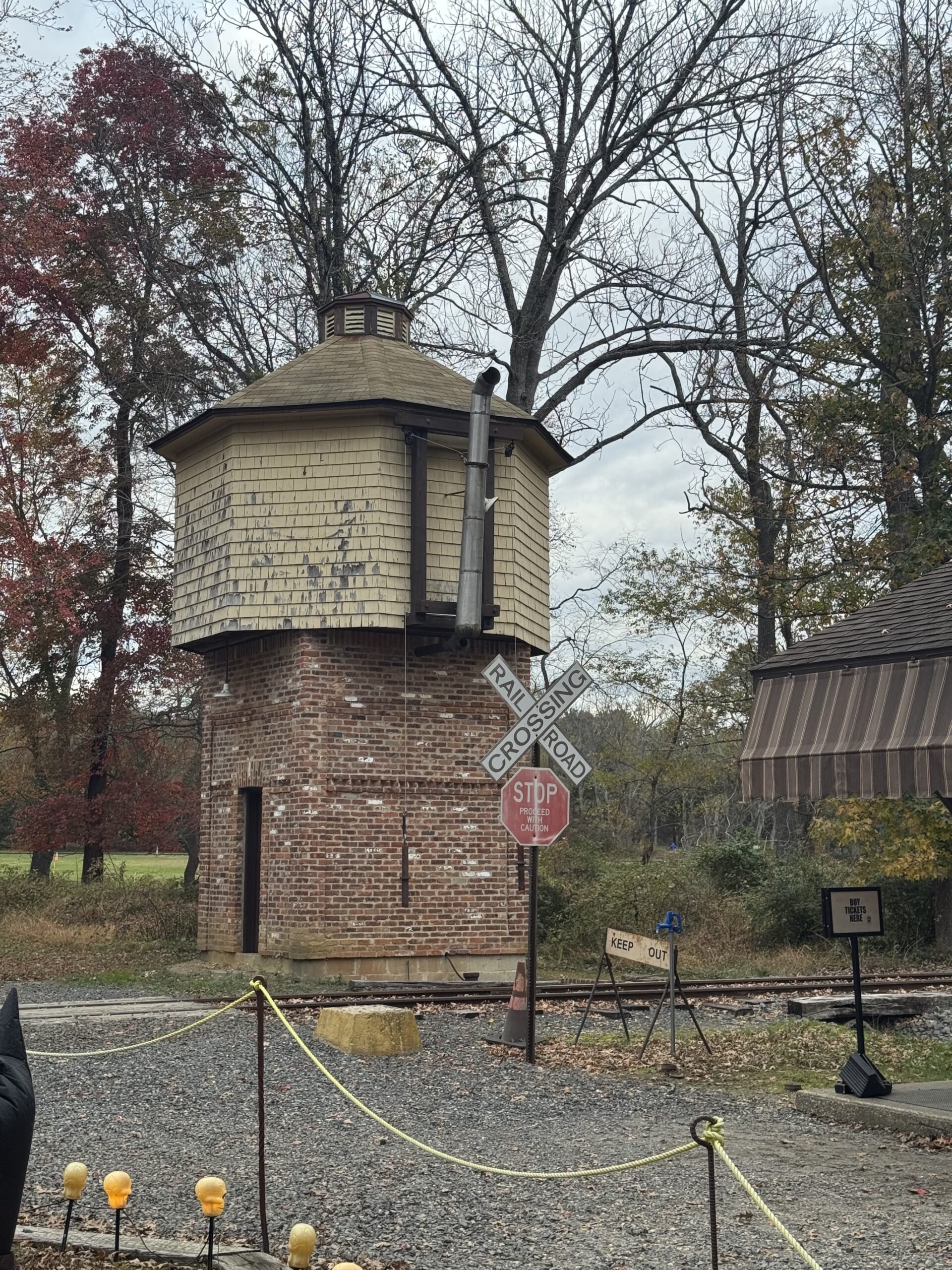
The 90-minute guided and audio tours lead guests through the row houses, chapel, blacksmith shop, bakery, blast furnace, foreman’s cottage, general store, carriage house, enameling building, manager’s house, and carpenter’s shop. Visitors can also step inside the “big house,” where Allaire lived with his family, which is allegedly home to resident ghosts. In lieu of a formal tour, visitors are free to roam the village unguided and stay as long as they like during regular operating hours.
Fun fact! Couples looking to tie the knot can inside the chapel, where weddings have been performed for more than 200 years.
The Village is open on Saturdays and Sundays from April through November. General admission for ages 4 and up is $5 and children three and under get in free. The Village also opens for special events throughout the year, like craft workshops, ghost tours, a kids’ history club, and a holiday craft show. Check out the calendar of events on the website for a complete listing. Allaire Village Inc. is committed to making its programs and facility accessible to everyone. For questions about your visit, contact the director of Historical Interpretation and Museum Programming at 732-919-3500.
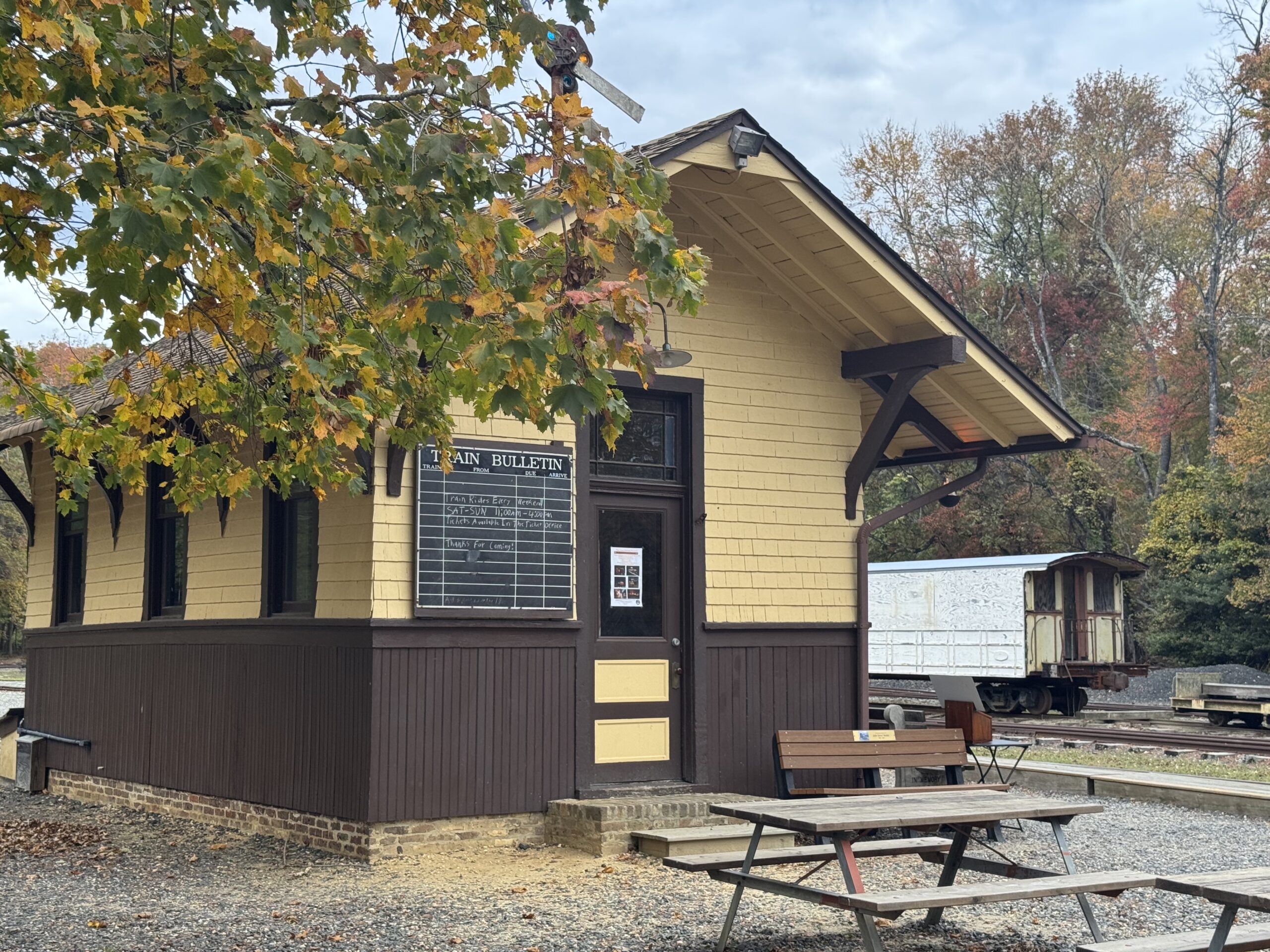
The Pine Creek Railroad is adjacent to the Village of Allaire. Because it’s run by a different volunteer organization, there is a separate admission fee. But it’s literally steps away and worth a visit. On weekends, there are rides on historic trains every half hour from 11 am to 4 pm. Tickets can only be purchased onsite at the ticket booth. Pine Creek Railroad also hosts special events like the Haunted Halloween Express and The Santa Express, and the 100-year-old Freneau Station can be rented for kids’ birthday parties.
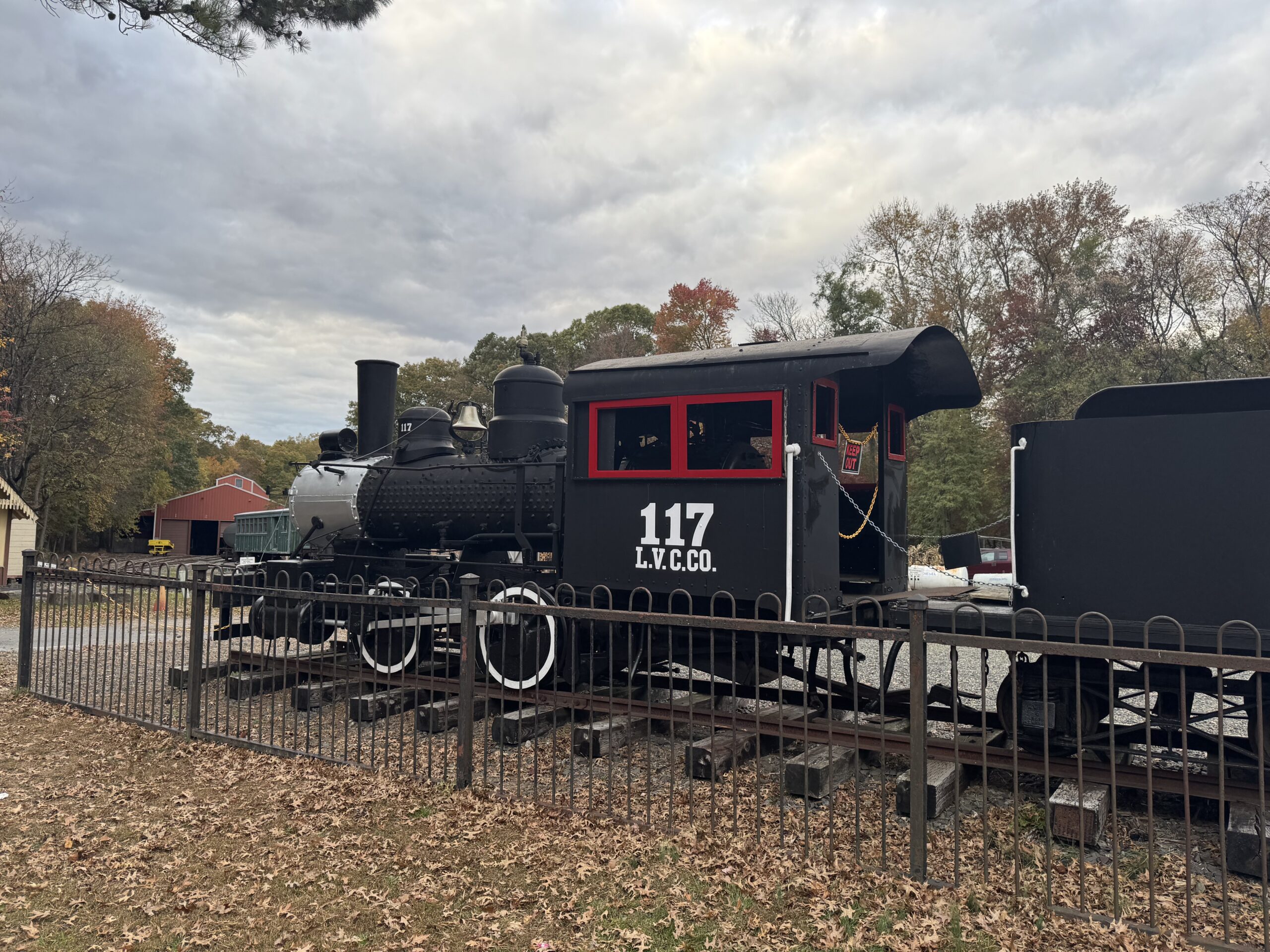
The Pine Creek Railroad is operated by The New Jersey Museum of Transportation, Inc., a private, volunteer-operated, 501(c)(3) not-for-profit, dedicated to acquiring and operating historic railroad equipment, in order to preserve the history of railroading.
The Thomas Edison Center at Menlo Park
37 Christie St., Edison
A leader in early industrialization, New Jersey also led the world in innovation. In fact, the first modern research and development (R&D) laboratory in the world was built by Thomas Edison in Menlo Park in 1876. There, he brought together great thinkers: chemists, machinists, instrument makers, mathematicians, and engineers, all of whom he referred to as “muckers.”
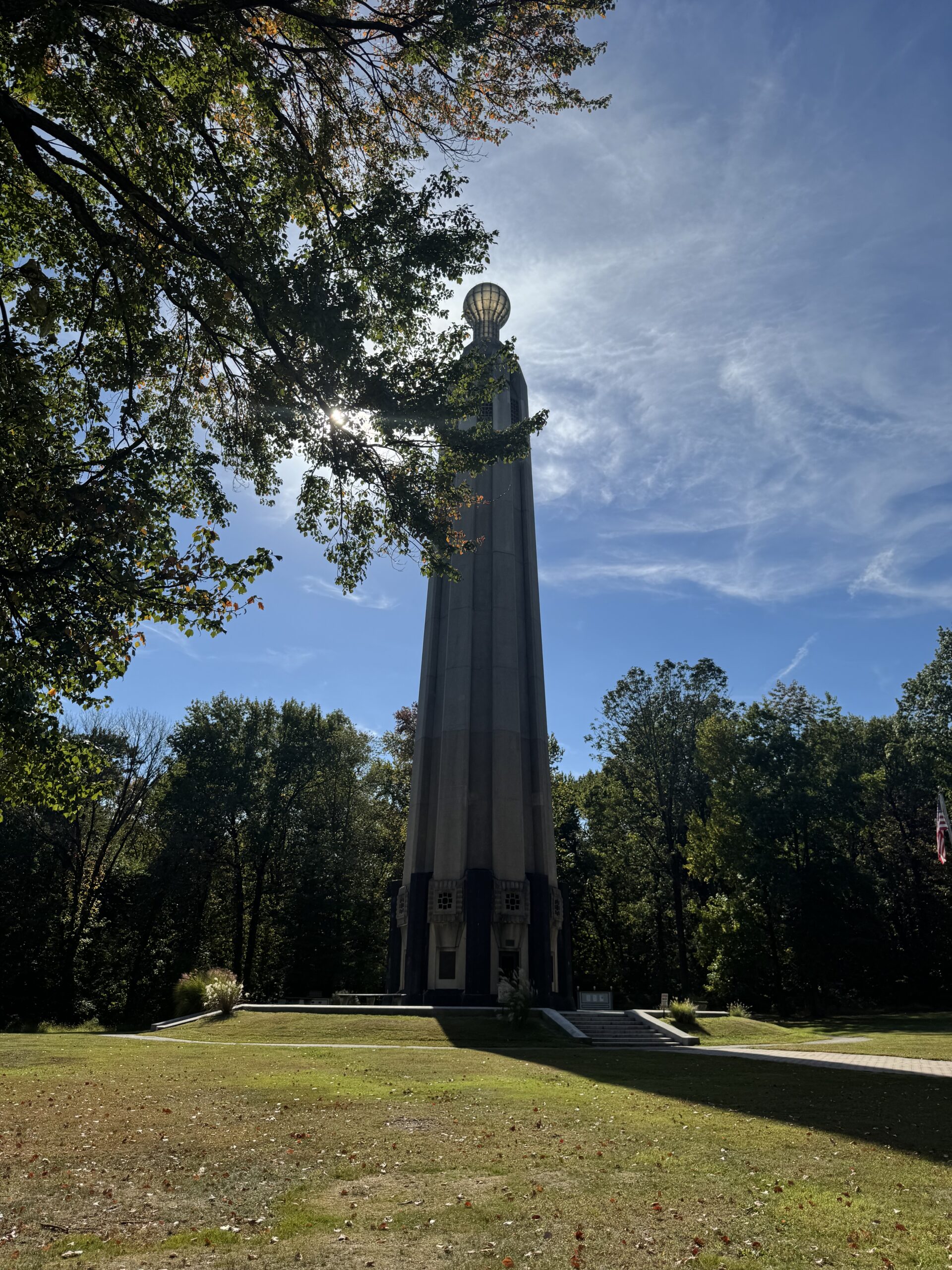
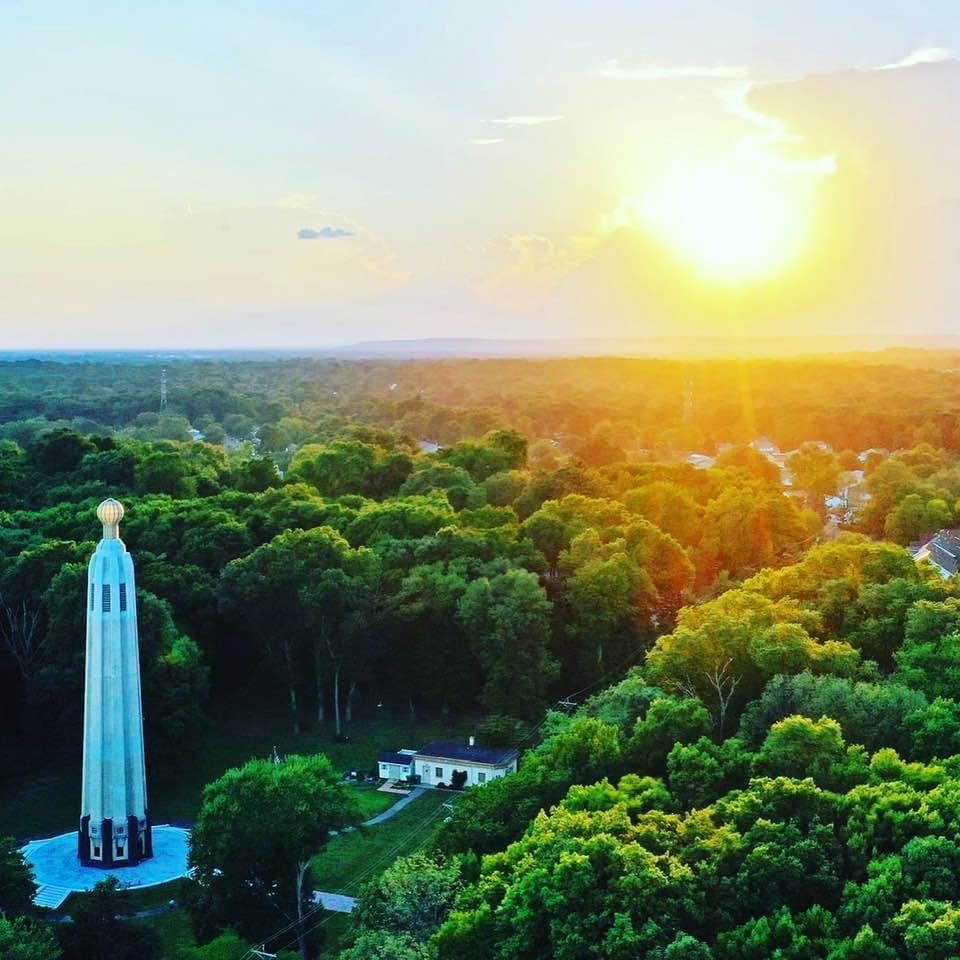
Today, the 131-foot tower at the Thomas Edison Center at Menlo Park rises above the same spot where Edison’s “Invention Factory” once stood. The tower’s pinnacle is shaped like a light bulb. It’s illuminated each night, a fitting tribute to the prolific inventor who transformed how the world saw light.
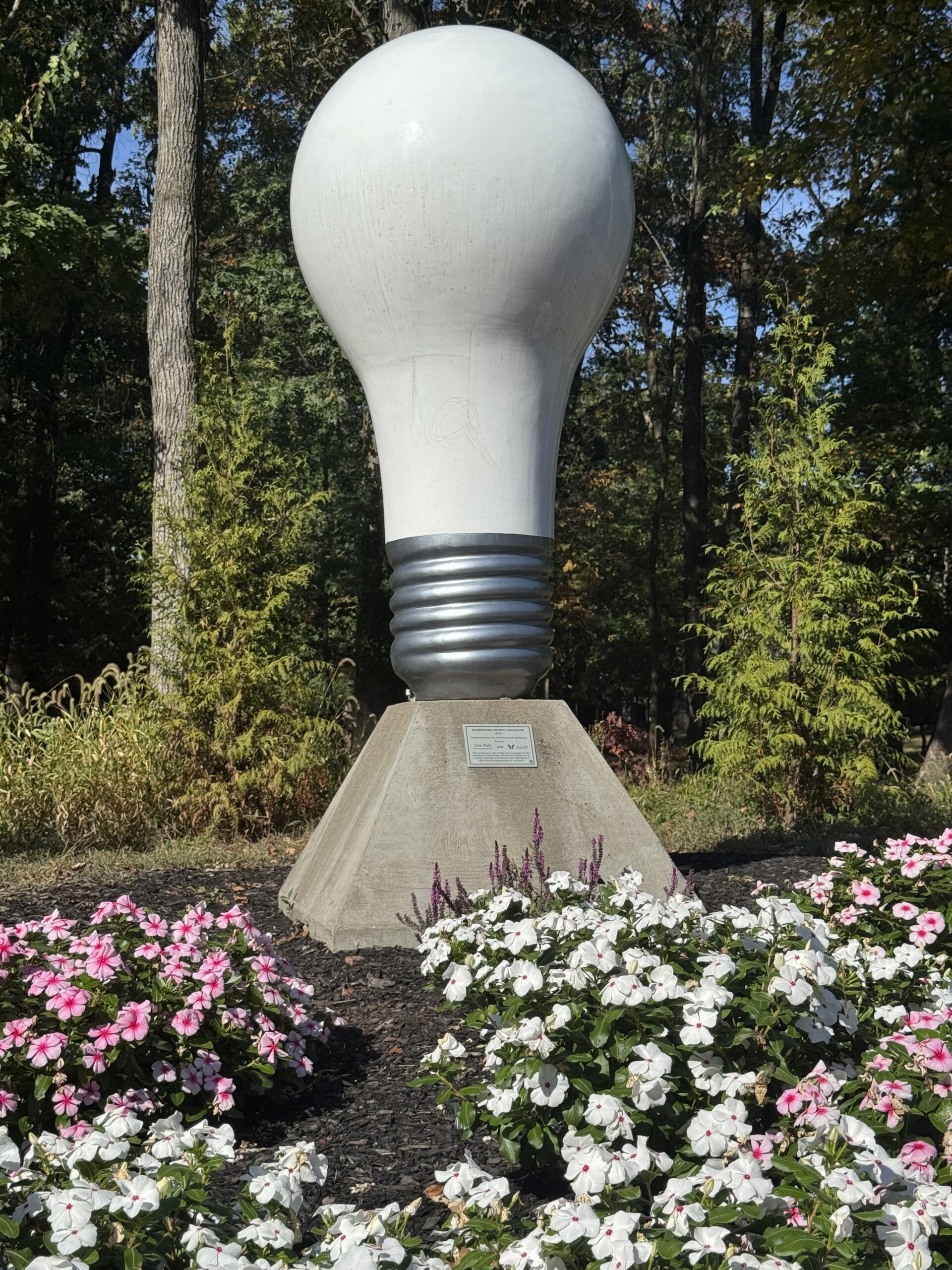
The “Wizard of Menlo Park” didn’t invent the first light bulb, but he did make a better one. By using a bamboo filament, Edison developed the first long-lasting incandescent bulb, one that could burn for hours instead of minutes. On New Year’s Eve 1879, Christie Street in Edison (home to the Thomas Edison Center) became the first street in the world illuminated by incandescent light.
Reportedly, Edison once said inventions begin with a pile of junk and a good imagination. But along the road to amassing 1,093 patents, there were many mistakes and a few explosions. While conducting experiments, Edison started fires in his parents’ basement, a telegraph office, and a railway baggage car!
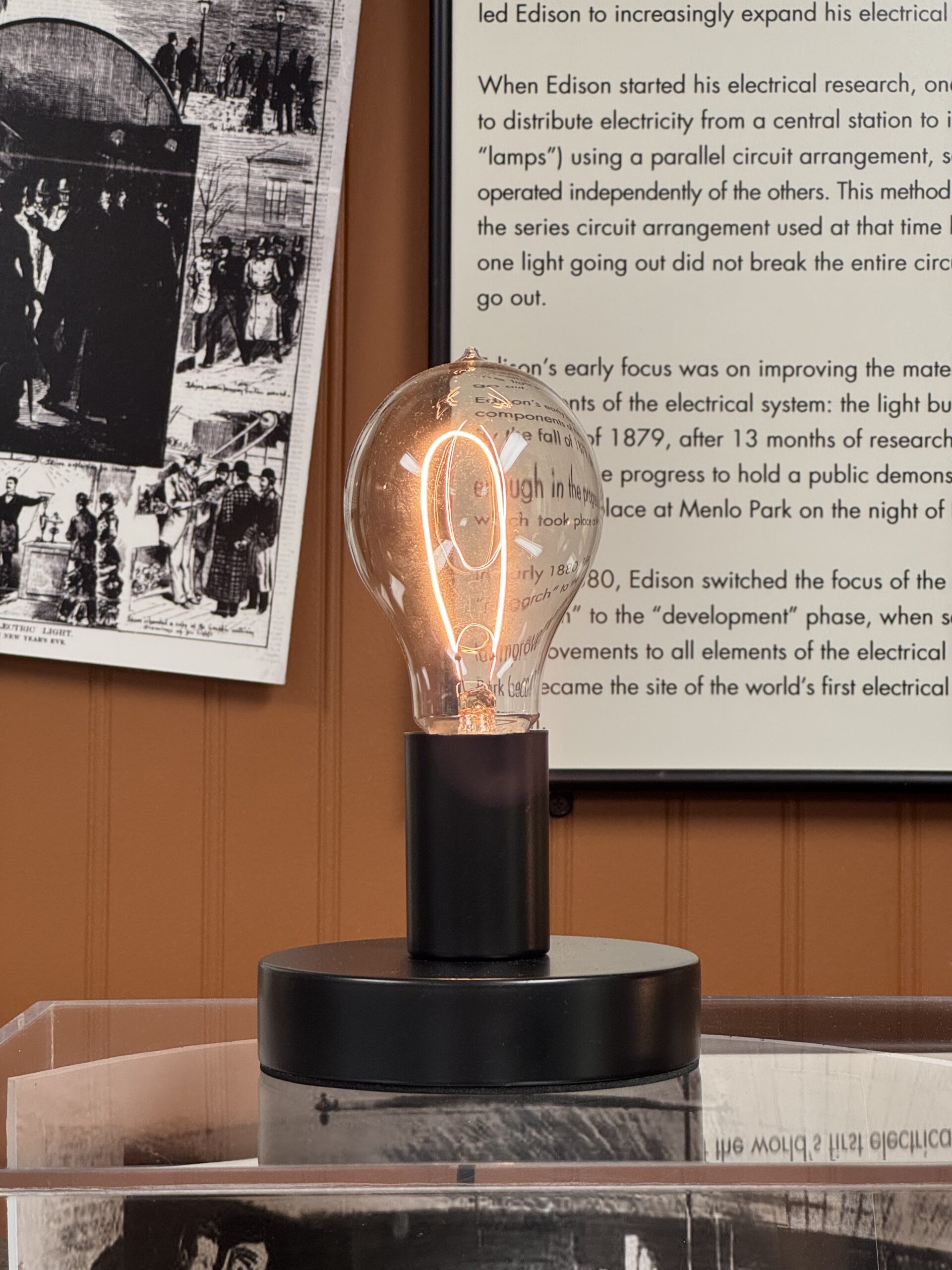
Inside the museum at Menlo Park, visitors can take a 60-minute tour to learn more about the inventor’s early life and see his inventions. There are lightbulbs, of course, and 120-year-old phonographs. There are also examples of a stock market ticker tape machine and telegraph. Edison improved both, earning him a small fortune. The museum tour includes entry to the base of Edison Memorial Tower, dedicated to Edison in 1938, seven years after his death.
After the formal tour, visitors can explore the small gift shop inside the museum or the nature trail in the adjacent 36-acre State Park. Information kiosks dot the paths, providing more history about the property. There are restrooms, picnic tables, a small parking lot with handicap spots, and plenty of on-street parking. The one-story museum building is ADA accessible, but the tower is not.
For those interested in learning more, a visit to Menlo Park can be combined with a tour of Edison’s second lab in West Orange, where he lived with his family for many years. The Thomas Edison National Historical Park is about a 45-minute ride from the Menlo Park location.
Museum Hours for the Thomas Edison Center at Menlo Park
Open Thursdays, Fridays, and Saturdays, 10 am to 4 pm. Reserve a one-hour guided tour through the website for a nominal fee. Tickets are $7 for adults, $5 for seniors (65+), active military, and children ages 5 to 17, and free for children under 5. Tours begin every half hour and include the museum building and entry to the Edison Memorial Tower. The last tour begins at 3 pm. The Museum Store is open during regular museum hours. The museum is closed on Memorial Day, July 4, Thanksgiving Week, and December 25 to January 2. Those with mobility or other special needs should call the museum in advance so that accommodations can be made.
Get the latest on the best things to do with your family in and around New Jersey by signing up for our newsletter and following us on Facebook and Instagram!
Read More:
The 100 Best Things to Do Indoors in NJ
The Best Day Trips in New Jersey

